Multi-Developmental Learning Integration and Educational Enhancement
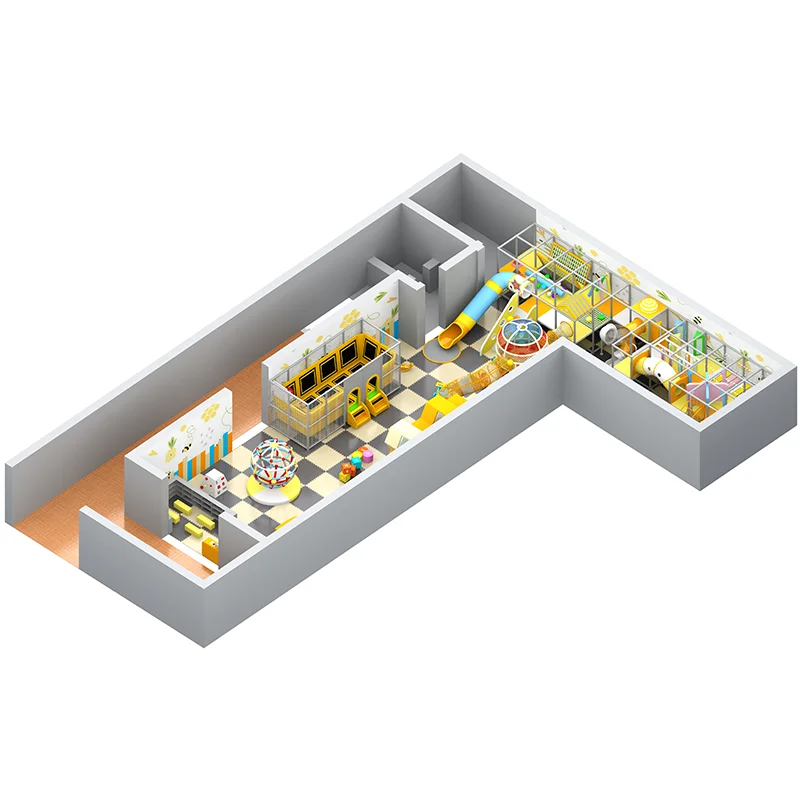
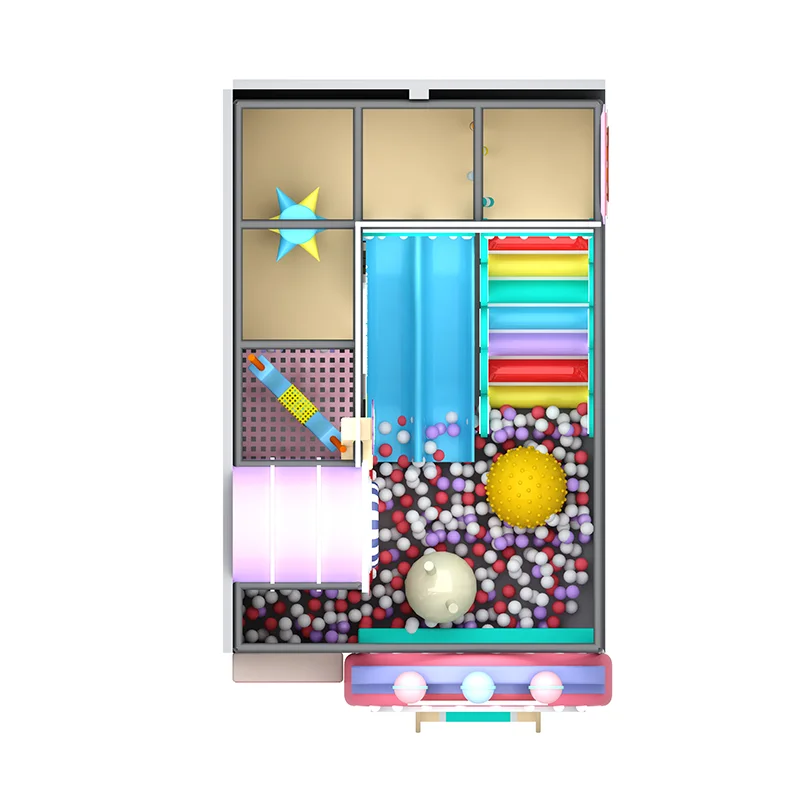
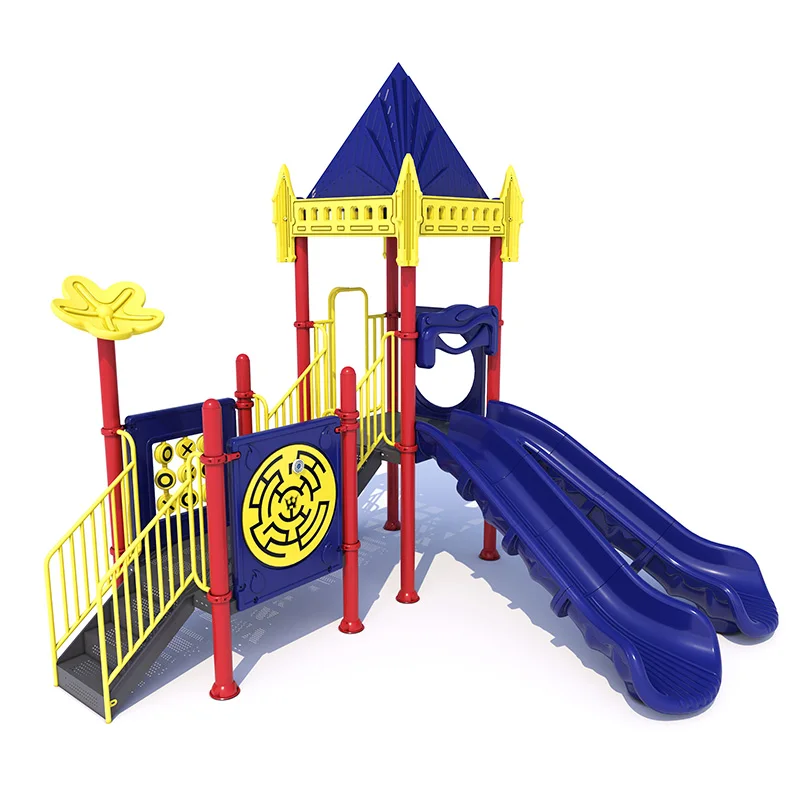
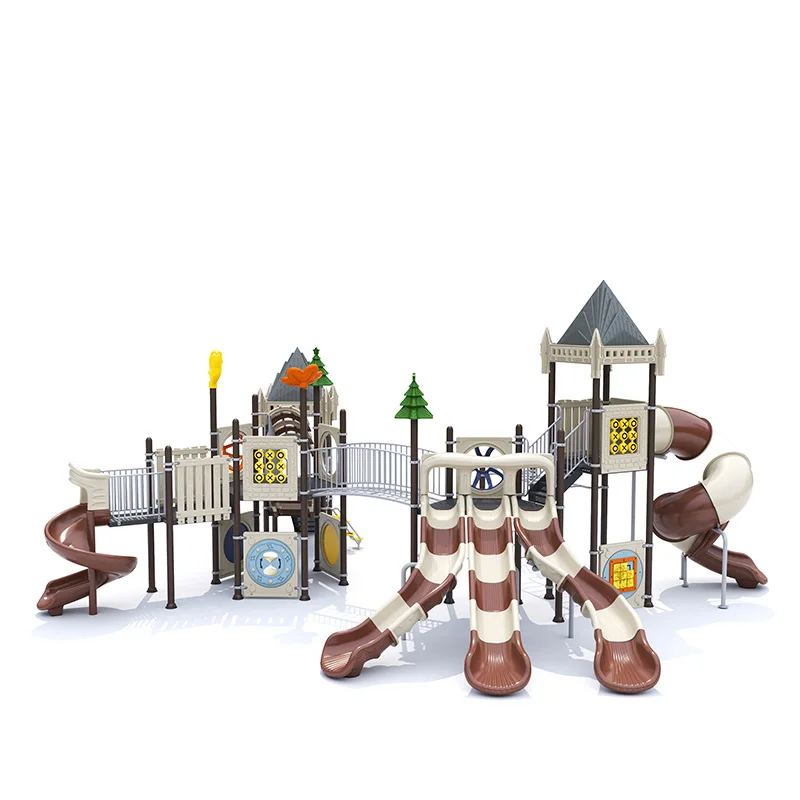
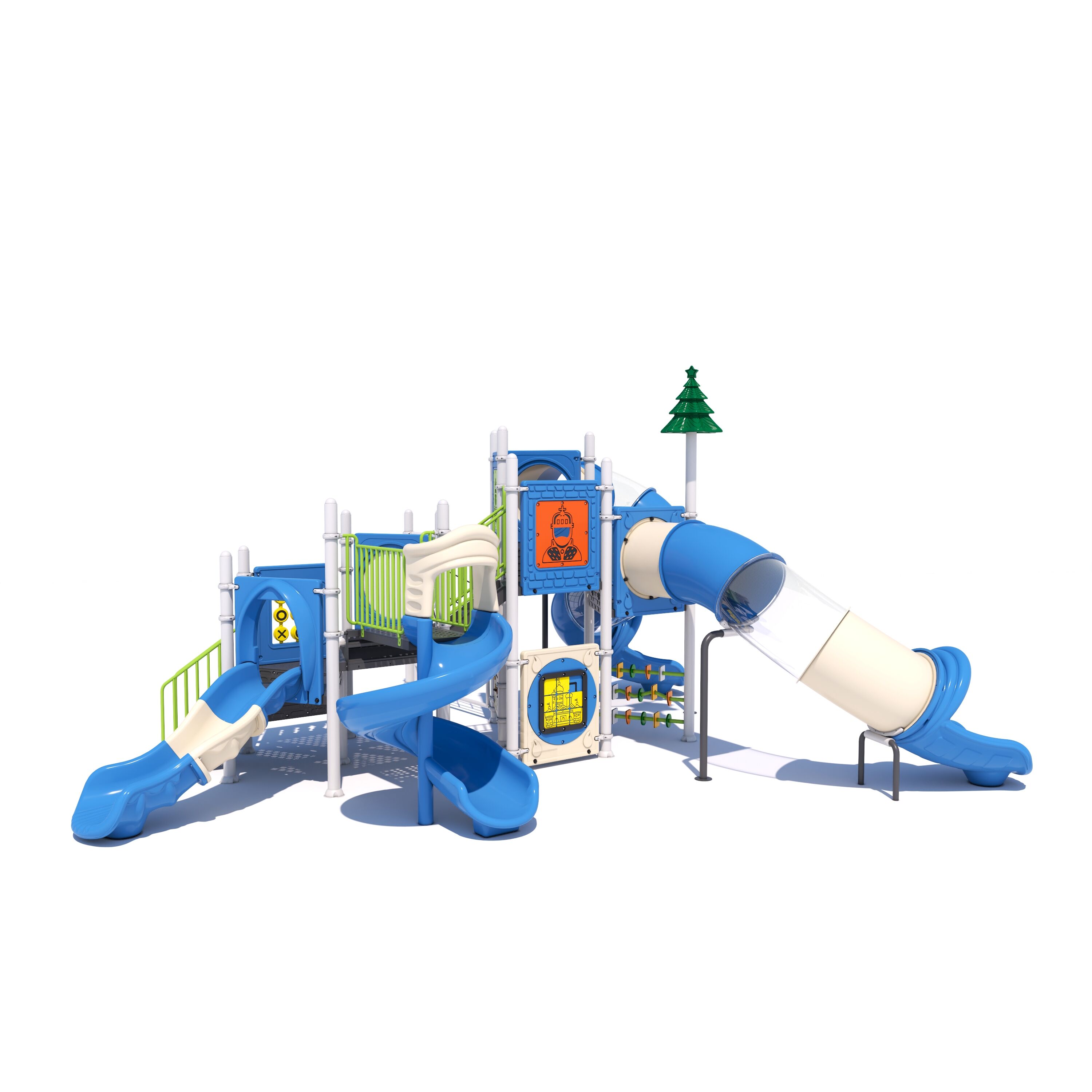
Outstanding outdoor playground equipment for schools transcends traditional recreation by incorporating sophisticated educational elements that support cognitive development, sensory processing, and curriculum reinforcement through active learning experiences. These integrated learning opportunities transform playground time into valuable educational extensions that complement classroom instruction while addressing diverse learning styles and developmental needs. Mathematical concepts naturally emerge through equipment featuring geometric shapes, counting elements, pattern recognition opportunities, and spatial relationship challenges that make abstract concepts tangible and engaging. Scientific principles become accessible through equipment that demonstrates physics concepts such as leverage, momentum, gravity, and balance, creating hands-on laboratories that reinforce theoretical knowledge through experiential learning. Language development flourishes as children engage in collaborative play scenarios that require communication, negotiation, and storytelling, while multilingual signage and interactive elements can support diverse linguistic communities within school populations. Sensory integration components address the needs of students with autism spectrum disorders, sensory processing differences, and attention challenges by providing controlled sensory input through textures, sounds, and movement opportunities that help regulate nervous system responses. Social-emotional learning objectives are naturally supported through playground equipment that requires cooperation, turn-taking, empathy, and conflict resolution skills, creating real-world practice opportunities for essential life skills. Creative expression finds outlets through musical elements, artistic components, and imaginative play structures that encourage self-expression and cultural exploration within supportive peer environments. The therapeutic value of outdoor playground equipment for schools extends to stress reduction, emotional regulation, and behavioral intervention applications that support comprehensive student wellness programs. Physical therapy and occupational therapy goals can be addressed through specialized equipment that provides graduated challenges for students with physical disabilities or developmental delays, ensuring inclusive access to recreational and therapeutic benefits. Environmental education opportunities emerge through nature-themed designs, sustainable materials, and equipment that encourages exploration and appreciation of natural systems and ecological relationships. Assessment opportunities allow educators to observe student development in authentic contexts, gathering valuable information about social skills, problem-solving abilities, and physical capabilities that inform individualized educational planning and intervention strategies.


 EN
EN