Therapeutic Integration That Supports Development Goals
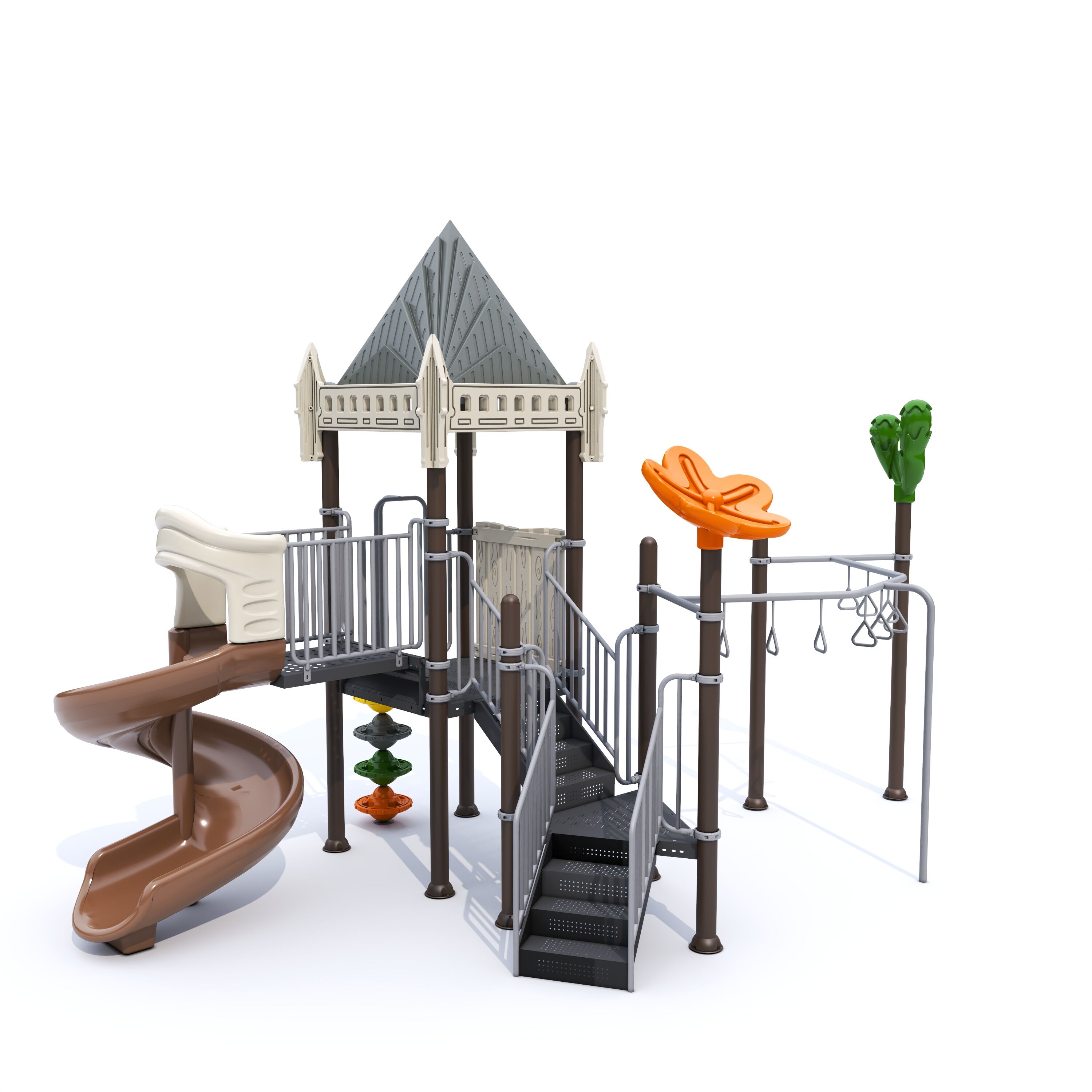
The therapeutic capabilities embedded within accessible playground equipment create unprecedented opportunities for combining recreational activities with purposeful intervention strategies that support diverse developmental goals across multiple domains. This integration transforms traditional playground experiences into dynamic therapeutic environments where children naturally engage in beneficial activities while experiencing the joy and social benefits of community play. The accessible playground equipment incorporates evidence-based therapeutic principles through carefully designed movement patterns that address strength building, balance improvement, coordination development, and sensory processing enhancement. Occupational therapy goals integrate seamlessly through activities that promote fine motor skill development, bilateral coordination, and visual-motor integration within motivating play contexts that encourage sustained engagement and repeated practice. Physical therapy objectives receive support through equipment configurations that promote proper body mechanics, progressive resistance training, and functional movement patterns that translate directly to daily living skills and mobility improvements. The therapeutic integration extends to cognitive development through problem-solving challenges, sequencing activities, and memory games embedded within the accessible playground equipment design. Speech therapy goals receive reinforcement through communication-rich environments that encourage peer interaction, vocabulary expansion, and pragmatic language skill development in natural social contexts. Sensory integration therapy finds ideal support through calibrated sensory experiences including proprioceptive input through climbing and swinging activities, vestibular stimulation through rotating and rocking elements, and tactile exploration through varied texture panels and manipulation components. The accessible playground equipment supports behavioral therapy objectives by providing structured choice opportunities, natural consequence learning, and positive reinforcement systems that promote appropriate social interactions and emotional regulation skills. Adaptive physical education programs utilize the equipment to teach sport skills, team cooperation, and competitive activities that prepare children for inclusive recreational participation throughout their lives. The therapeutic design includes documentation capabilities that allow caregivers and therapists to track progress, adjust challenge levels, and coordinate intervention strategies across multiple settings. Research-supported design elements ensure that therapeutic benefits align with current best practices while maintaining the essential play qualities that motivate sustained engagement. Professional consultation services help communities optimize therapeutic potential through proper equipment selection, staff training, and program development that maximizes developmental outcomes while preserving the fundamental joy and freedom that define quality playground experiences.

 EN
EN