Premium Park and Play Structures - Safe, Inclusive & Sustainable Playground Solutions

Get a Free Quote

Our representative will contact you soon.
Email
Name
Company Name
Message
0/1000

park and play structures

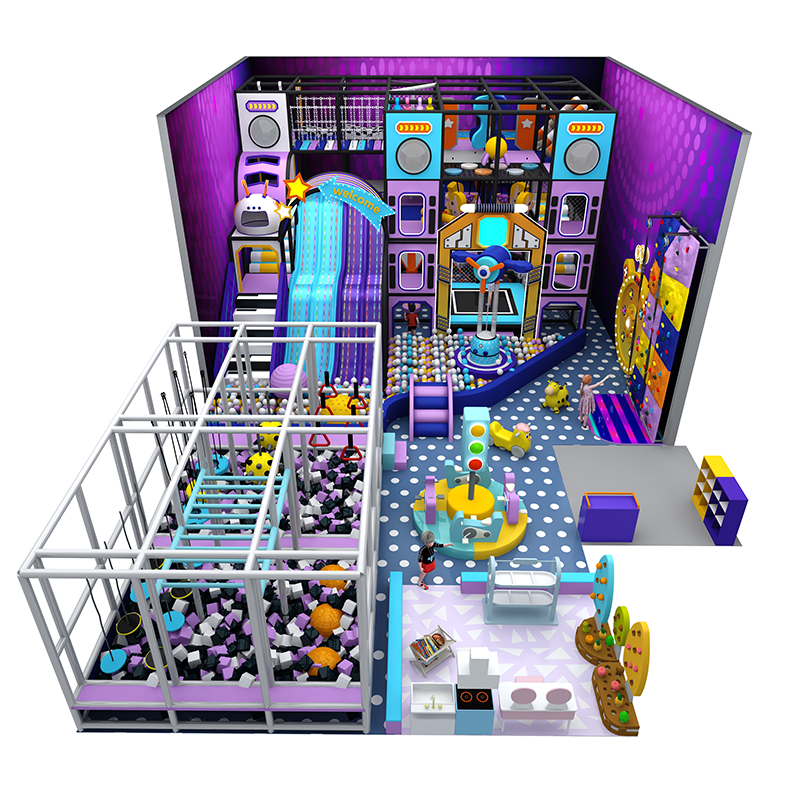
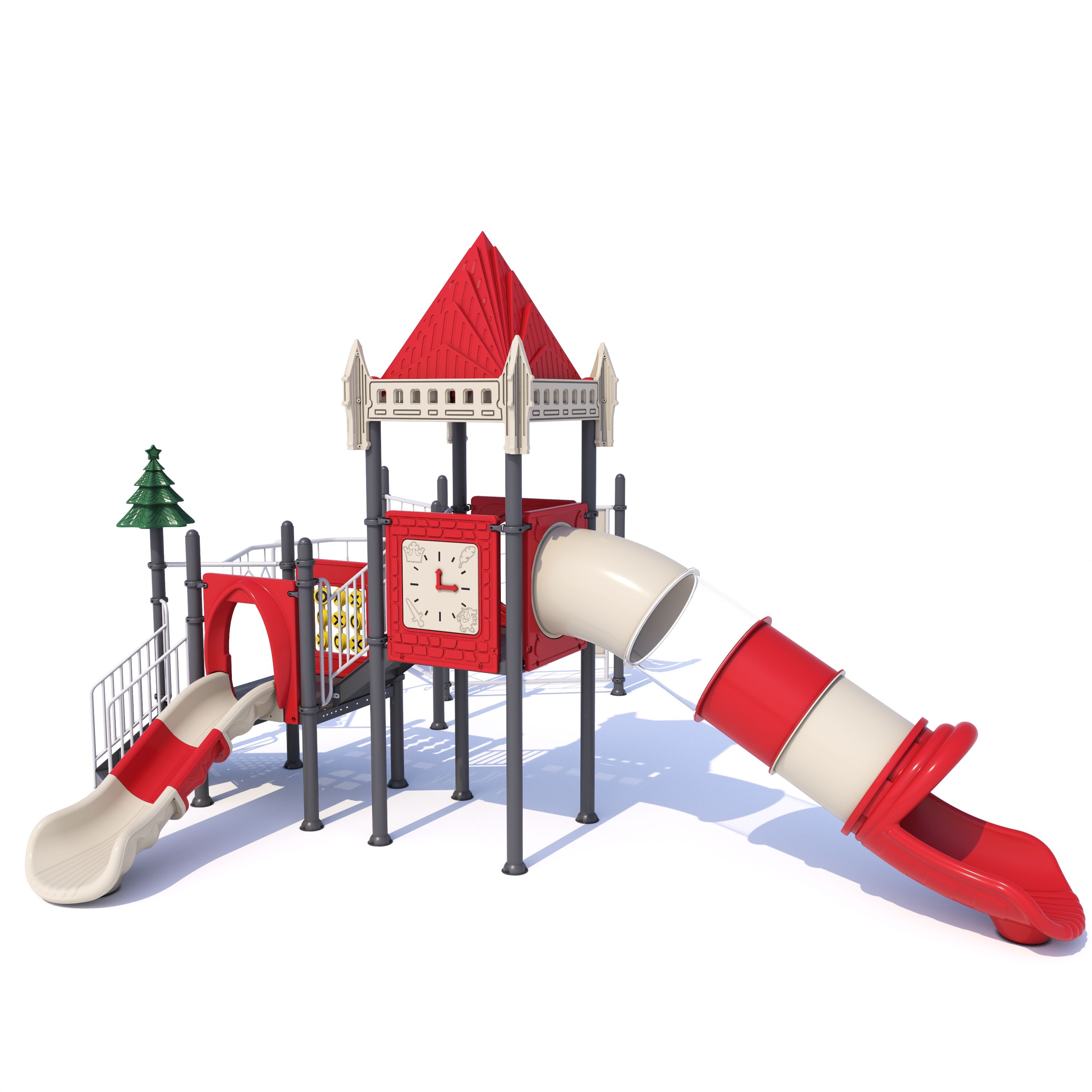
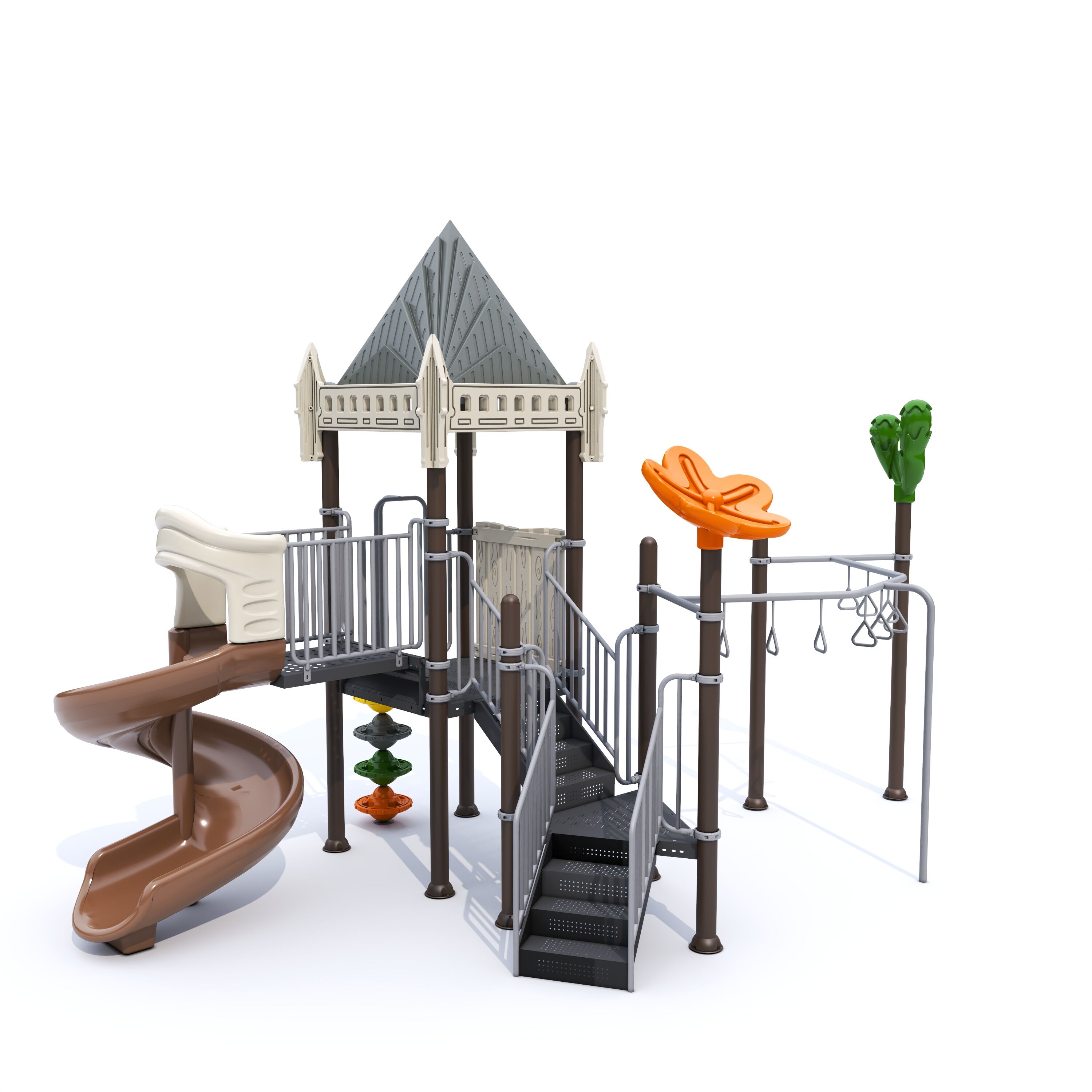
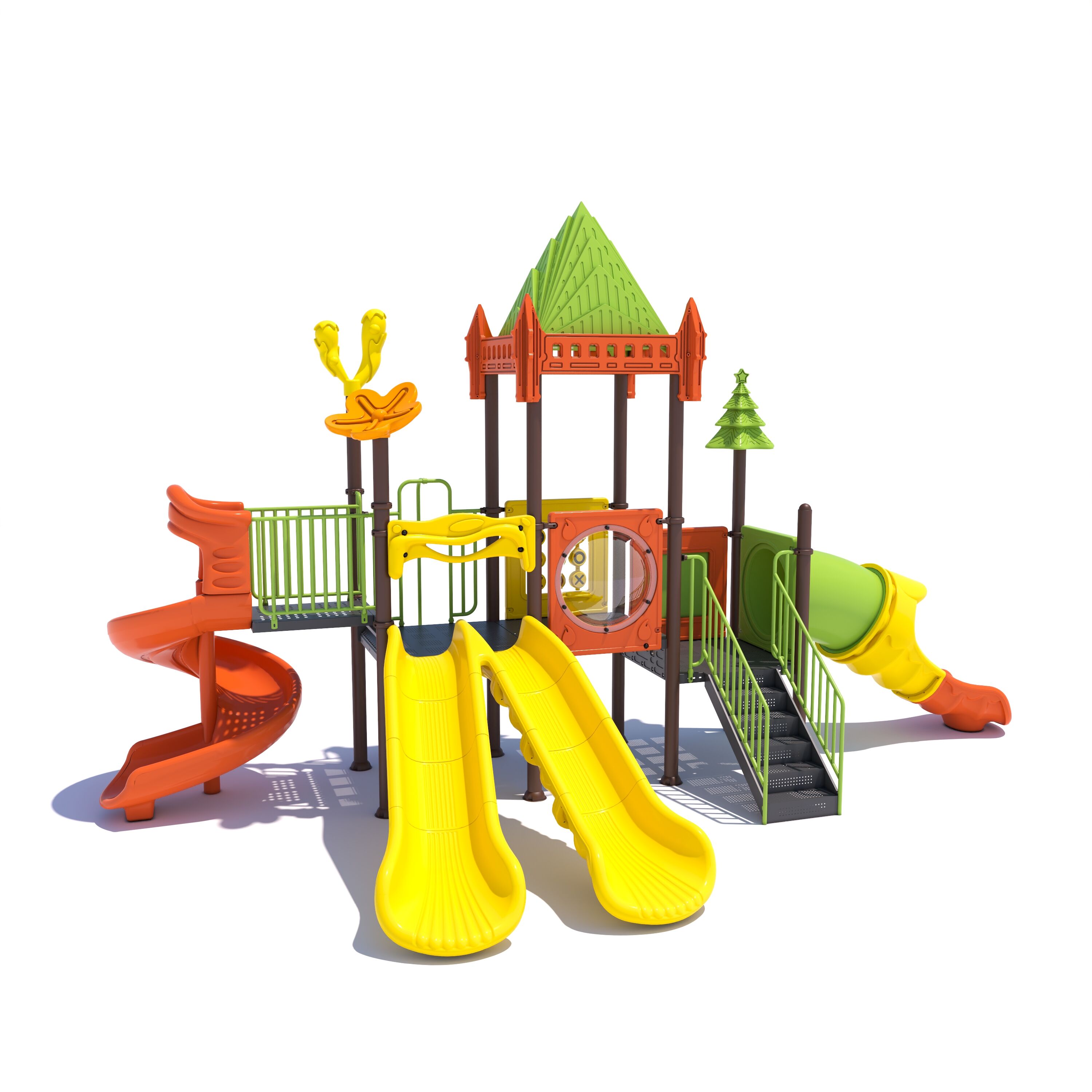
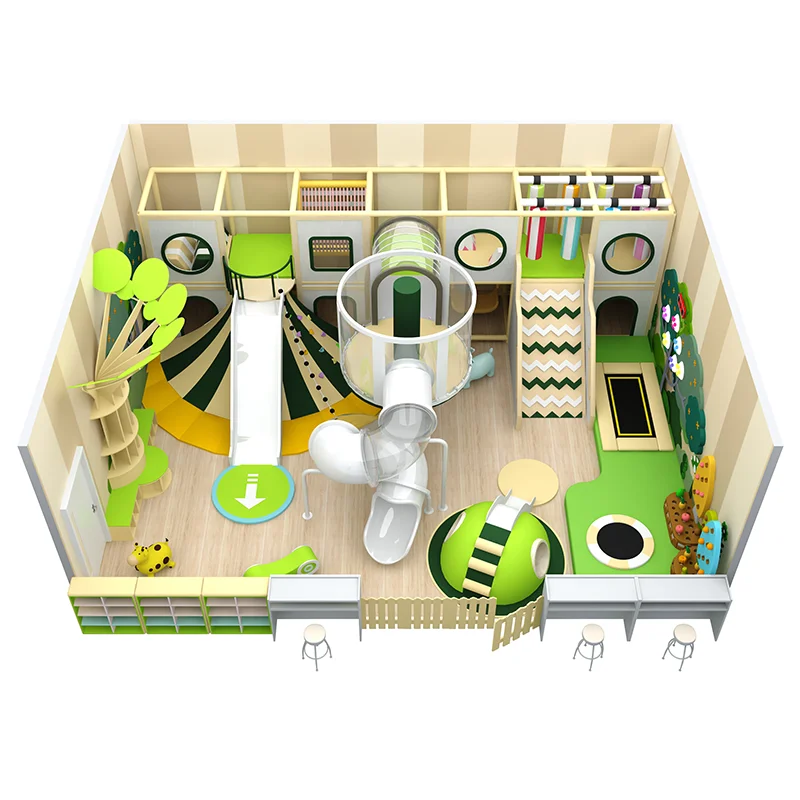
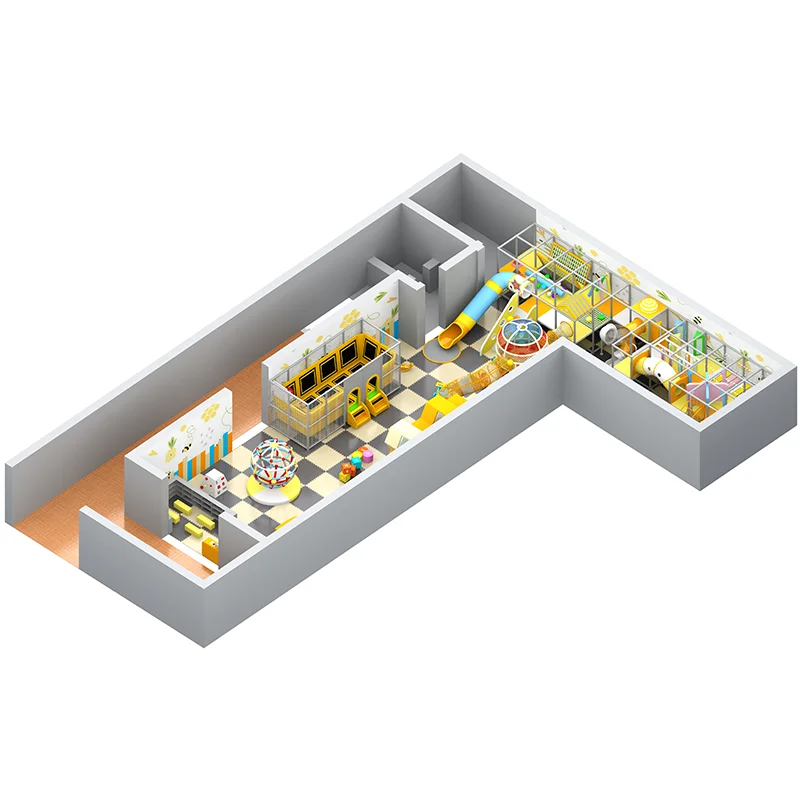
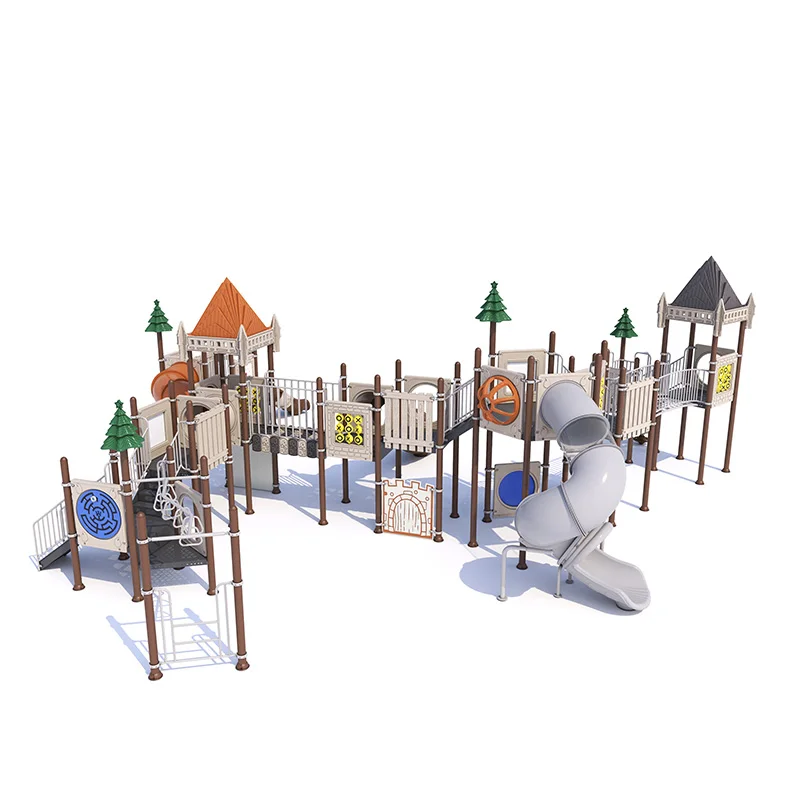
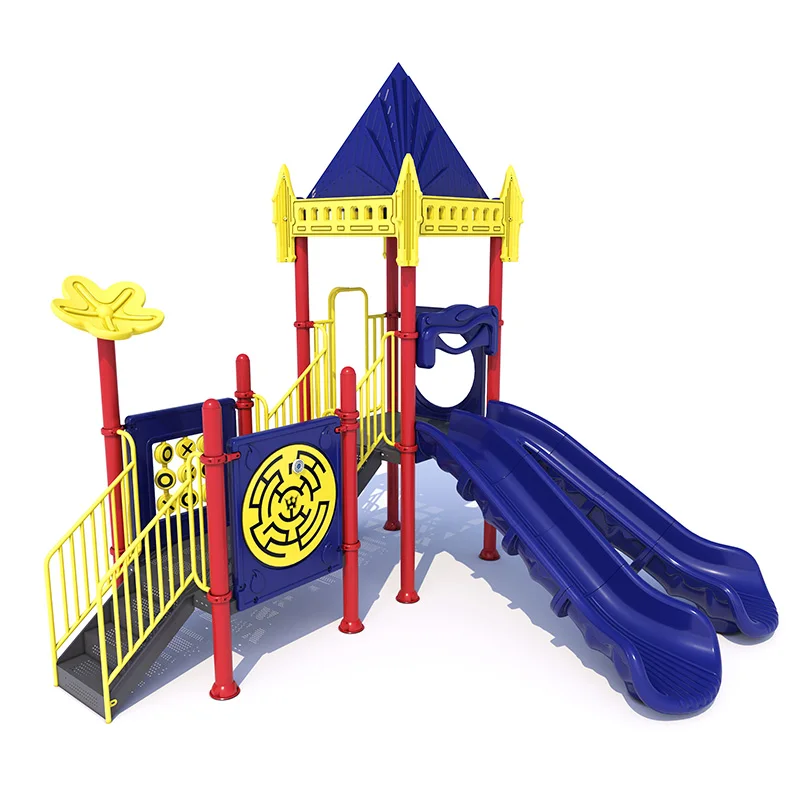
Park and play structures represent innovative recreational solutions designed to transform outdoor spaces into engaging environments for children and families. These comprehensive playground systems combine safety engineering with creative design to deliver memorable play experiences across diverse settings including public parks, schools, residential complexes, and community centers. Modern park and play structures integrate multiple activity zones within cohesive designs that promote physical development, social interaction, and imaginative exploration. The primary functions of park and play structures encompass physical fitness enhancement through climbing walls, balance beams, and agility courses that strengthen core muscles and improve coordination. Cognitive development occurs through puzzle elements, interactive panels, and problem-solving challenges embedded within the playground framework. Social skills flourish as children navigate shared spaces, take turns on equipment, and collaborate during group activities facilitated by thoughtfully designed play zones. Technological features in contemporary park and play structures include weather-resistant materials utilizing advanced polymer composites and powder-coated steel frameworks that withstand environmental stresses while maintaining vibrant appearances. Smart integration capabilities allow for digital play elements, interactive learning stations, and augmented reality components that bridge traditional physical play with modern technology. Safety systems incorporate impact-absorbing surfaces, rounded edges, and age-appropriate sizing to minimize injury risks while maximizing engagement. Applications for park and play structures span numerous environments from urban recreational facilities serving dense populations to rural community spaces fostering neighborhood connections. Educational institutions implement these systems to support curriculum-based learning through outdoor classrooms and fitness programs. Healthcare facilities utilize therapeutic playground designs for rehabilitation and sensory development programs. Commercial properties integrate park and play structures to attract families and enhance property values while creating distinctive community amenities that differentiate developments in competitive markets.
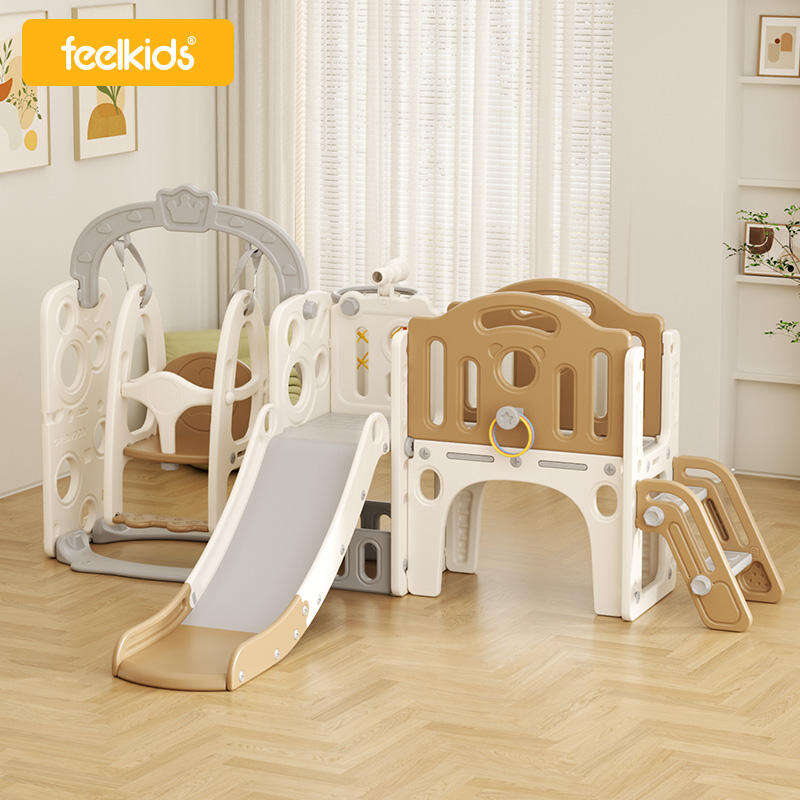
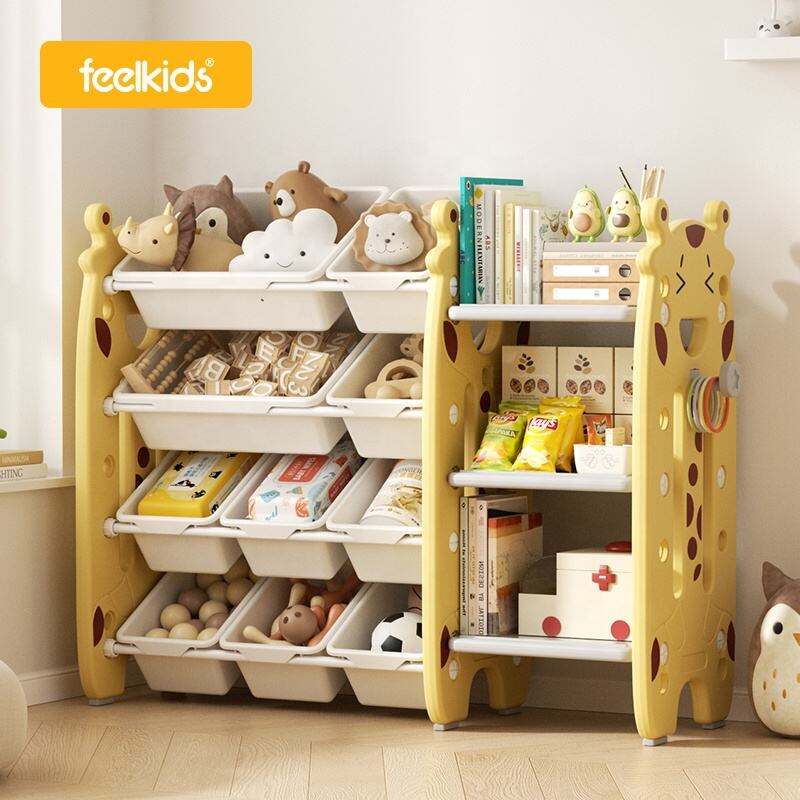
New Product Releases

Park and play structures deliver substantial benefits that extend far beyond simple entertainment, creating lasting value for communities, property owners, and families. These recreational investments generate immediate returns through increased property values, with well-designed playground facilities boosting residential and commercial real estate appeal by up to fifteen percent according to industry studies. Community engagement flourishes around quality park and play structures as families gather regularly, fostering neighborhood connections and social cohesion that strengthens local bonds. Physical health improvements represent perhaps the most significant advantage, as children using park and play structures engage in cardiovascular exercise, strength building, and motor skill development without realizing they are exercising. Regular playground activity combats childhood obesity, improves balance and coordination, and establishes healthy lifestyle patterns that persist into adulthood. Mental health benefits emerge through stress reduction, confidence building, and emotional regulation as children master challenging equipment and overcome fears in safe environments. Educational advantages manifest through hands-on learning opportunities embedded within park and play structures, where children explore scientific principles like physics and engineering while playing. Problem-solving skills develop naturally as kids navigate obstacles, plan routes, and adapt strategies during play sessions. Social development accelerates through cooperative play, conflict resolution, and leadership opportunities that arise organically during playground interactions. Economic advantages extend to municipalities and property managers who discover that park and play structures require minimal ongoing maintenance while providing decades of service life. Energy costs remain negligible since most equipment operates without electricity, making these installations environmentally sustainable and budget-friendly. Safety advantages include reduced liability risks when professional-grade park and play structures meet stringent safety standards and undergo regular inspections. Insurance benefits often accompany certified playground installations, with many carriers offering reduced premiums for properties featuring compliant recreational facilities. Accessibility advantages ensure that park and play structures can accommodate children with diverse physical abilities through inclusive design principles and adaptive equipment options. Weather resistance advantages mean year-round usability in most climates, maximizing investment returns through consistent availability regardless of seasonal conditions.

Latest News

The Ultimate Guide to Safe and Fun Kids' Playpens: Choosing a Trusted Custom Manufacturer

11

Mar

The Ultimate Guide to Safe and Fun Kids' Playpens: Choosing a Trusted Custom Manufacturer

View More
From Concept to Container: A Step-by-Step Guide to Sourcing Custom Kids' Playpens for Your Brand

11

Mar

From Concept to Container: A Step-by-Step Guide to Sourcing Custom Kids' Playpens for Your Brand

View More
More Than a Gate: How Premium Kids' Playpens Support Early Childhood Development and Peace of Mind

11

Mar

More Than a Gate: How Premium Kids' Playpens Support Early Childhood Development and Peace of Mind

View More

Get a Free Quote

Our representative will contact you soon.
Email
Name
Company Name
Message
0/1000

park and play structures

Advanced Safety Engineering and Risk Management Systems

Advanced Safety Engineering and Risk Management Systems

Safety engineering represents the cornerstone of modern park and play structures, incorporating multiple protective layers that virtually eliminate serious injury risks while preserving the excitement and challenge that make playgrounds engaging. Advanced impact-absorption technologies utilize specialized rubber surfacing materials that meet or exceed international safety standards, providing cushioned landings that reduce injury severity by up to ninety percent compared to traditional surfaces. These sophisticated surface systems distribute impact forces across wider areas, protecting children during falls while maintaining proper drainage to prevent standing water and ice formation. Structural safety features include extensive testing protocols that subject park and play structures to forces exceeding normal usage by significant margins, ensuring equipment integrity under extreme conditions. Connection hardware utilizes marine-grade stainless steel components that resist corrosion and maintain strength over decades of exposure to weather and heavy usage. Safety barriers and guardrails incorporate precise height calculations and spacing requirements that prevent entrapment while allowing natural movement patterns. Age-appropriate zoning within park and play structures separates equipment designed for different developmental stages, reducing conflicts between age groups and ensuring that challenges remain appropriate for intended users. Visibility design principles eliminate blind spots and hidden areas where supervision becomes difficult, promoting safer play environments through improved sight lines. Regular inspection schedules supported by detailed maintenance protocols help property owners maintain safety standards consistently, with many manufacturers providing comprehensive training programs for maintenance staff. Emergency access considerations ensure that first responders can quickly reach any area within park and play structures, with clear pathways and equipment positioning that facilitates rapid response when needed. Risk assessment tools help facility managers identify potential hazards before they become problems, creating proactive safety management systems that protect both users and property owners from liability issues while maintaining the adventurous spirit that makes playgrounds valuable community resources.
Inclusive Design Philosophy for Universal Accessibility

Inclusive Design Philosophy for Universal Accessibility

Inclusive design philosophy transforms park and play structures into welcoming environments where children of all abilities can participate together, creating communities that celebrate diversity while providing equal access to recreational opportunities. Universal accessibility features integrate seamlessly into playground designs without compromising aesthetics or functionality, ensuring that adaptive elements enhance rather than detract from overall appeal. Transfer platforms positioned at ground level allow wheelchair users to access elevated play components through gentle ramps and specially designed transition areas that maintain safety while providing barrier-free access. Sensory-rich elements including textured surfaces, musical components, and tactile panels engage children with varying sensory processing needs, creating multi-dimensional play experiences that stimulate different learning styles. Visual contrast enhancements help children with visual impairments navigate park and play structures safely through strategic color placement and lighting considerations that improve depth perception and obstacle identification. Communication boards featuring picture symbols and simple text support children with speech or language differences, facilitating social interaction and cooperative play among diverse groups. Adjustable components within park and play structures accommodate different physical capabilities, allowing children to participate at their individual comfort and ability levels while building confidence through achievable challenges. Quiet zones provide respite areas where children who become overstimulated can retreat while remaining part of the playground community, supporting emotional regulation and stress management. Caregiver accessibility ensures that parents and supervisors can maintain close proximity to children requiring additional support, with pathways and viewing areas designed to accommodate mobility devices and special equipment. Training resources help community leaders understand inclusive playground principles and implementation strategies, building local capacity for ongoing accessibility improvements. Funding assistance programs often support inclusive design initiatives through grants and partnerships that recognize the community value of universal access. Research demonstrates that inclusive park and play structures benefit all children by promoting empathy, reducing prejudice, and building social skills that translate into more accepting communities where differences are valued rather than feared.
Environmental Sustainability and Long-Term Durability

Environmental Sustainability and Long-Term Durability

Environmental sustainability drives modern park and play structures toward eco-friendly materials and manufacturing processes that minimize environmental impact while maximizing service life and performance reliability. Recycled content integration utilizes post-consumer plastics, reclaimed metals, and sustainable wood products to create playground components that divert waste from landfills while maintaining superior quality and safety standards. Life cycle assessments demonstrate that well-designed park and play structures provide decades of service with minimal environmental footprint, making them among the most sustainable recreational investments available to communities. Energy-efficient manufacturing processes reduce carbon emissions during production while creating products that require no electricity for operation, eliminating ongoing energy consumption and associated environmental costs. Local sourcing strategies minimize transportation impacts while supporting regional economies and reducing delivery times for park and play structures installation projects. Water conservation features include permeable surfacing materials that promote natural drainage and groundwater recharge while preventing erosion and runoff issues that can damage surrounding landscapes. Native plant integration opportunities allow park and play structures to blend harmoniously with natural environments while providing educational opportunities about local ecosystems and environmental stewardship. Maintenance sustainability reduces long-term environmental impact through durable materials that resist weathering, vandalism, and wear while requiring minimal chemical treatments or frequent replacements. End-of-life planning ensures that park and play structures components can be recycled or repurposed when eventual replacement becomes necessary, creating circular economy principles that minimize waste generation. Carbon footprint reduction occurs through material selection, manufacturing efficiency, and transportation optimization that collectively minimize greenhouse gas emissions associated with playground development. Green certification programs recognize environmentally responsible park and play structures that meet rigorous sustainability criteria, helping communities achieve environmental goals while providing superior recreational facilities. Educational integration allows park and play structures to serve as outdoor classrooms where children learn about environmental responsibility, renewable resources, and sustainable living practices through hands-on exploration and discovery-based learning that connects play with environmental awareness and stewardship values that benefit future generations.

Get a Free Quote

Our representative will contact you soon.
Email
Name
Company Name
Message
0/1000

Copyright © 2026 Yongjia Feiqi Toy Co., Ltd. All rights reserved.  -  Privacy policy