Developmental Benefits and Educational Integration Opportunities
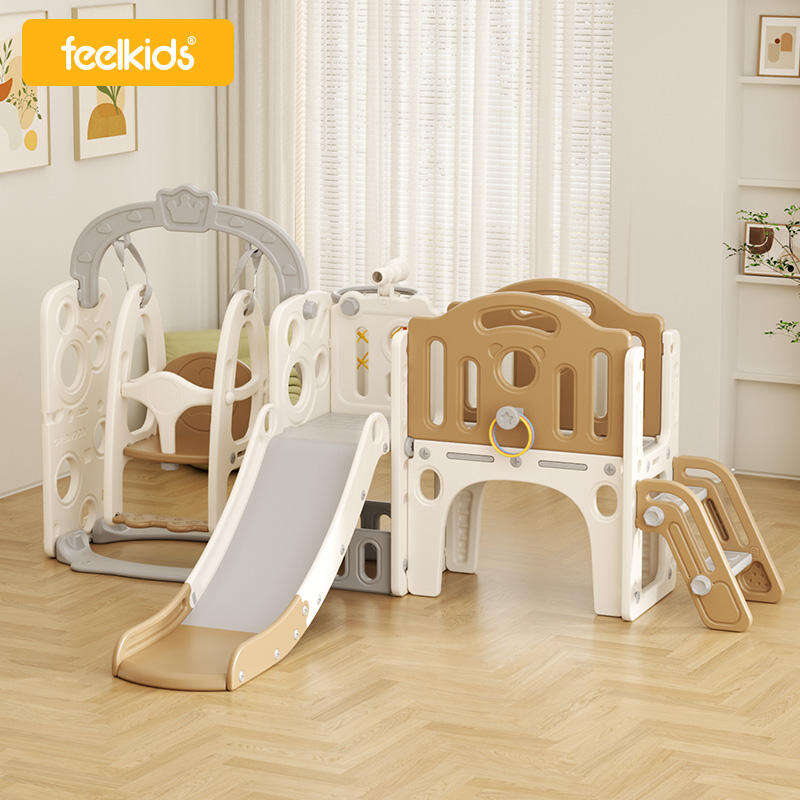
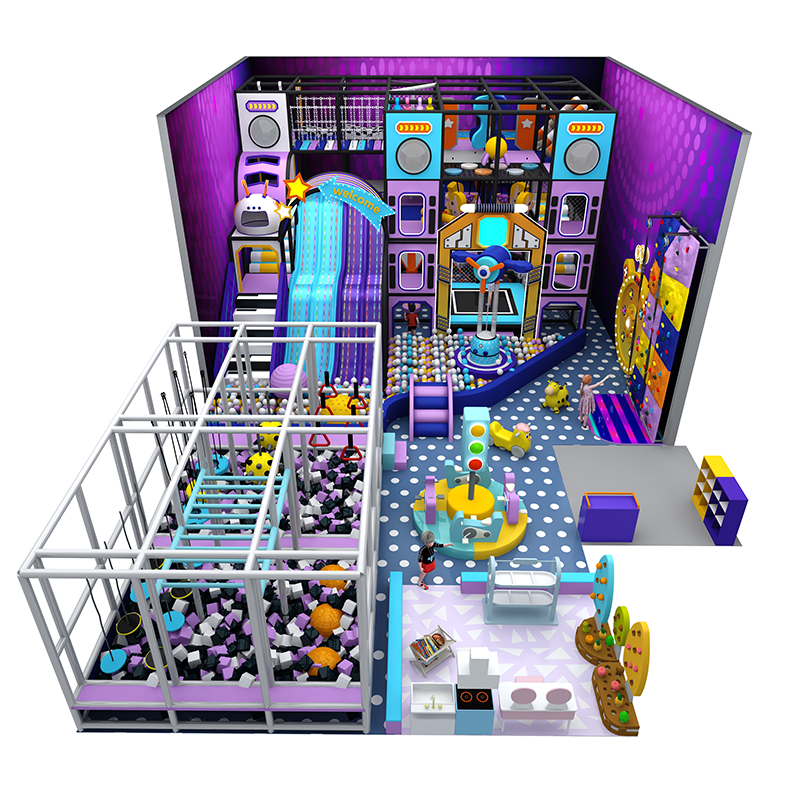
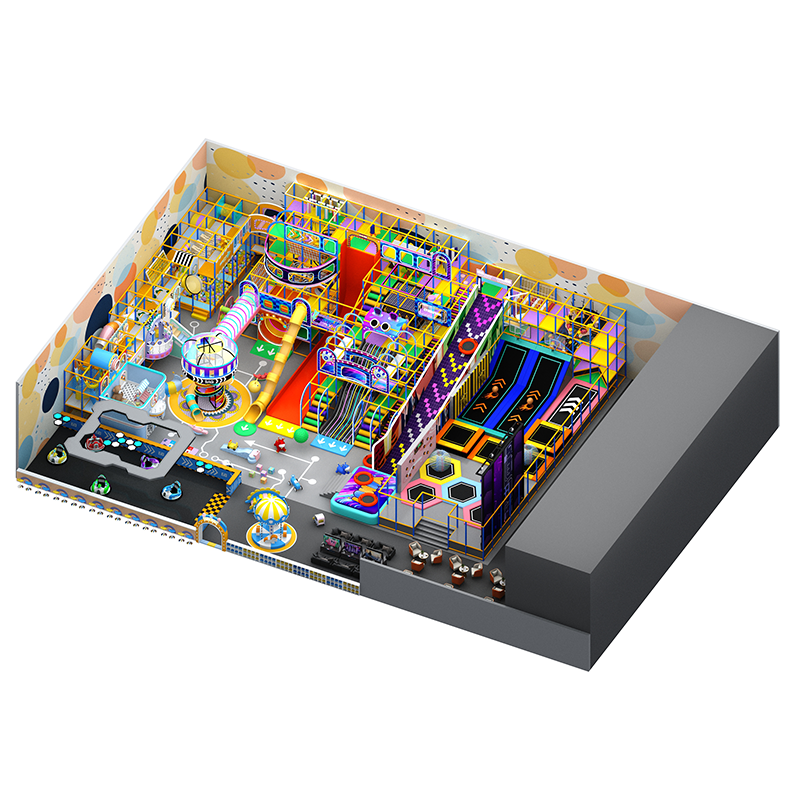
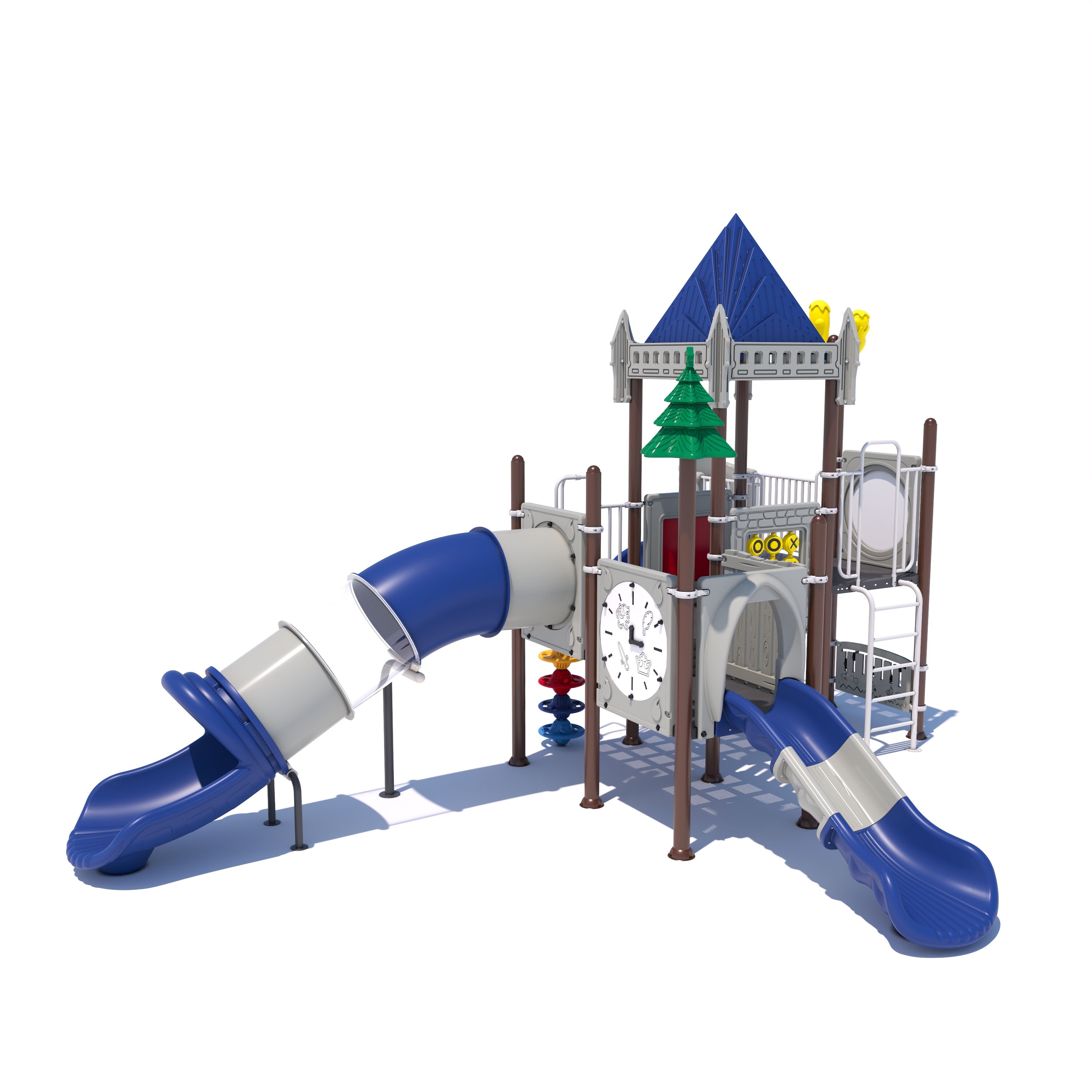
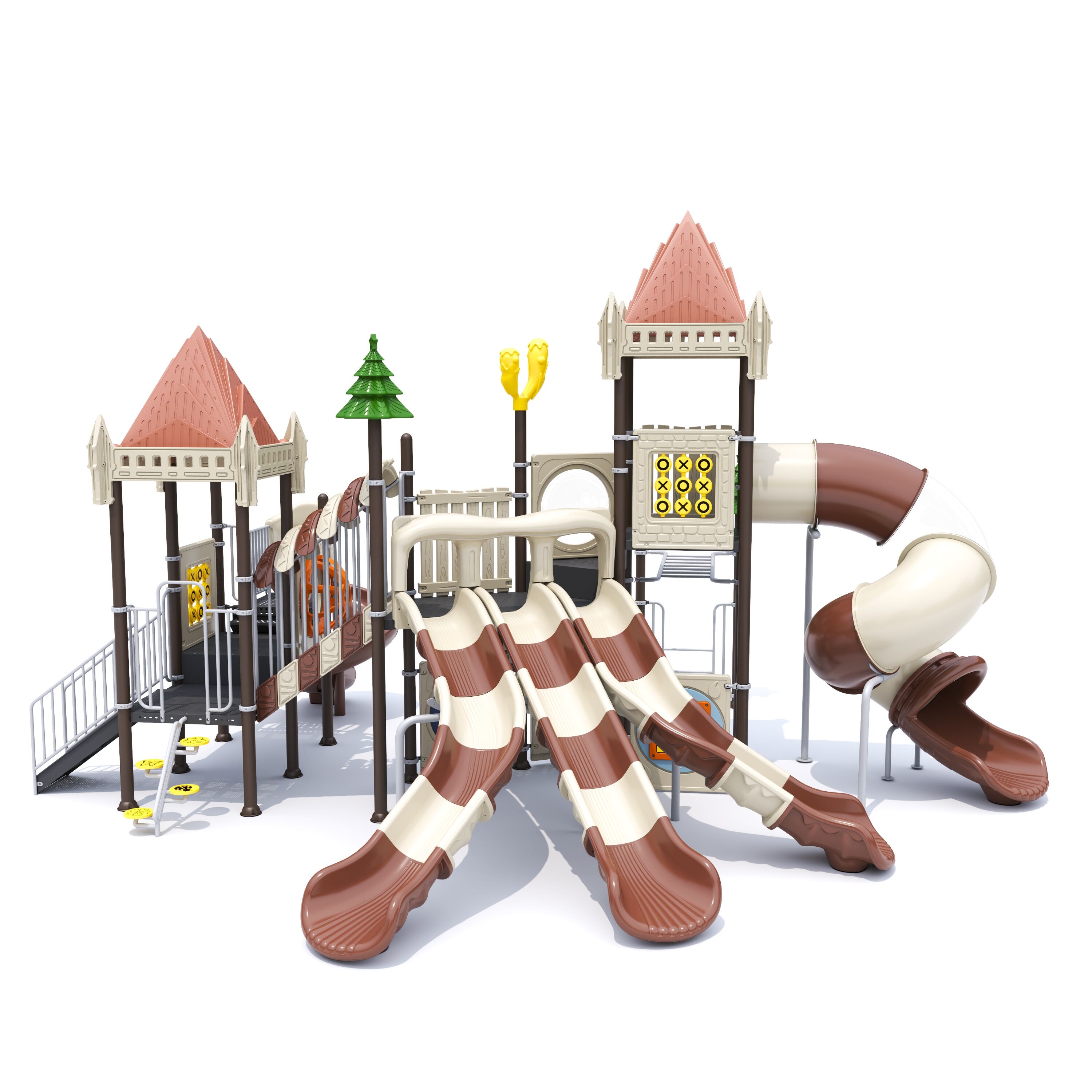
Indoor play slides serve as powerful developmental tools that support multiple aspects of child growth and learning beyond simple entertainment value. Physical development represents the most obvious benefit, as climbing, sliding, and maneuvering around the equipment strengthens core muscles, improves balance, and enhances coordination skills. The repetitive nature of slide play helps children develop gross motor skills while building confidence in their physical abilities. The controlled challenge presented by indoor play slides encourages children to push their comfort zones safely, fostering resilience and self-assurance that transfers to other life areas. Cognitive development occurs naturally as children engage with indoor play slides through problem-solving activities. Planning climb routes, calculating slide trajectories, and understanding cause-and-effect relationships during play all contribute to intellectual growth. The three-dimensional nature of slide structures helps develop spatial awareness and geometric understanding that supports later academic learning in mathematics and science. Sequential thinking develops as children learn the step-by-step processes involved in safe slide use, from climbing to positioning to sliding. Social development flourishes around indoor play slides as children learn to share equipment, take turns, and cooperate during group play. These structures naturally encourage peer interaction and communication as children negotiate play rules, offer encouragement, and celebrate each other's achievements. Leadership skills emerge as older or more experienced children help newcomers learn proper techniques and safety procedures. The inclusive nature of well-designed indoor play slides accommodates children with varying ability levels, promoting understanding and acceptance of differences. Educational integration opportunities abound with indoor play slides, as creative educators can incorporate these structures into various learning activities. Physics concepts such as gravity, friction, and momentum become tangible through slide experiences. Mathematical concepts including counting, measurement, and geometric shapes can be explored using the slide structure as a teaching tool. Language development occurs naturally as children describe their experiences, express emotions, and engage in imaginative play scenarios around the equipment. The consistent availability of indoor play slides supports structured developmental programs that require reliable access to physical activity equipment, making them invaluable resources for schools, therapy centers, and specialized educational facilities.


 EN
EN