Ultimate Guide to Outdoor Play for 2 Year Olds: Development Benefits and Activities

Get a Free Quote

Our representative will contact you soon.
Email
Name
Company Name
Message
0/1000

outdoor play for 2 year olds

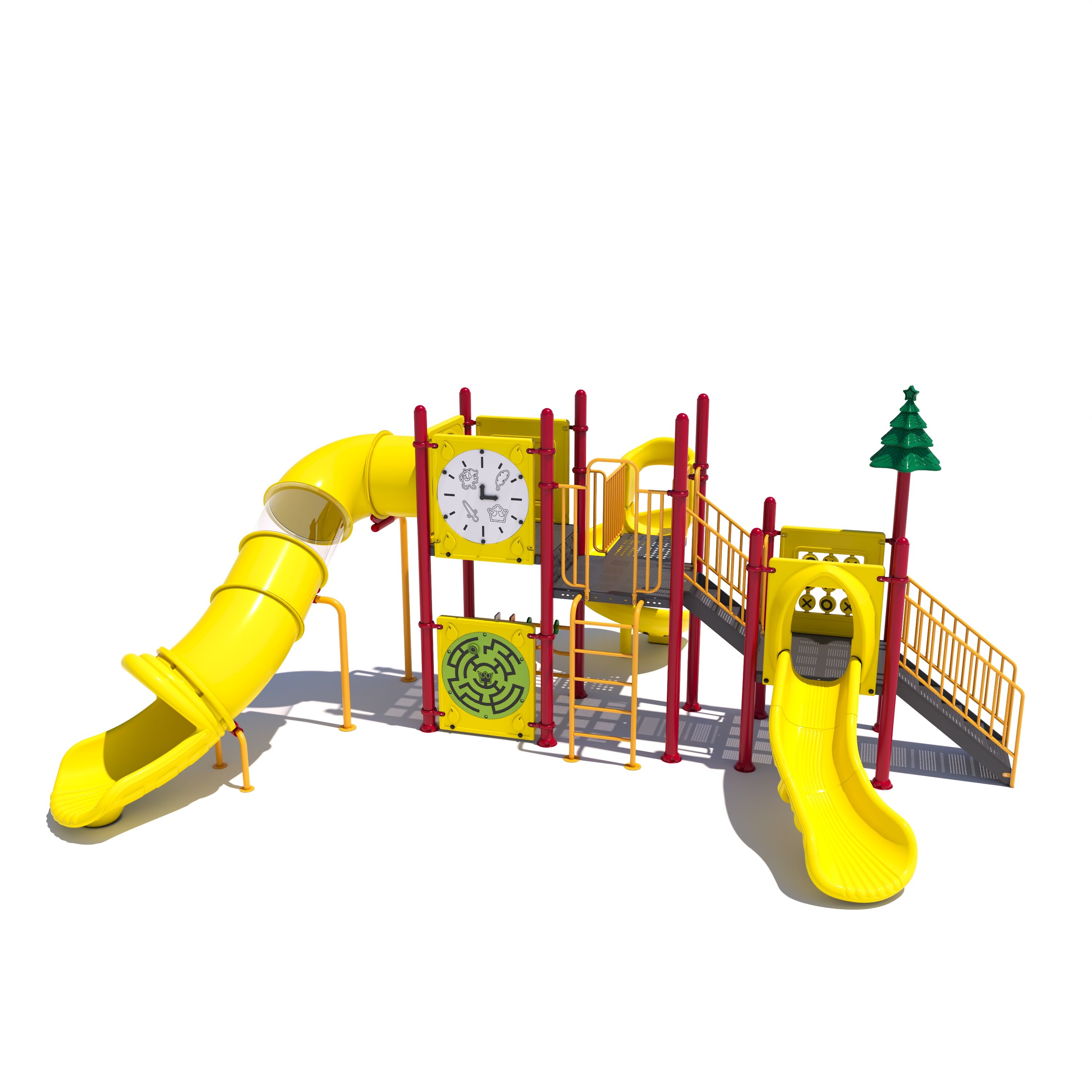
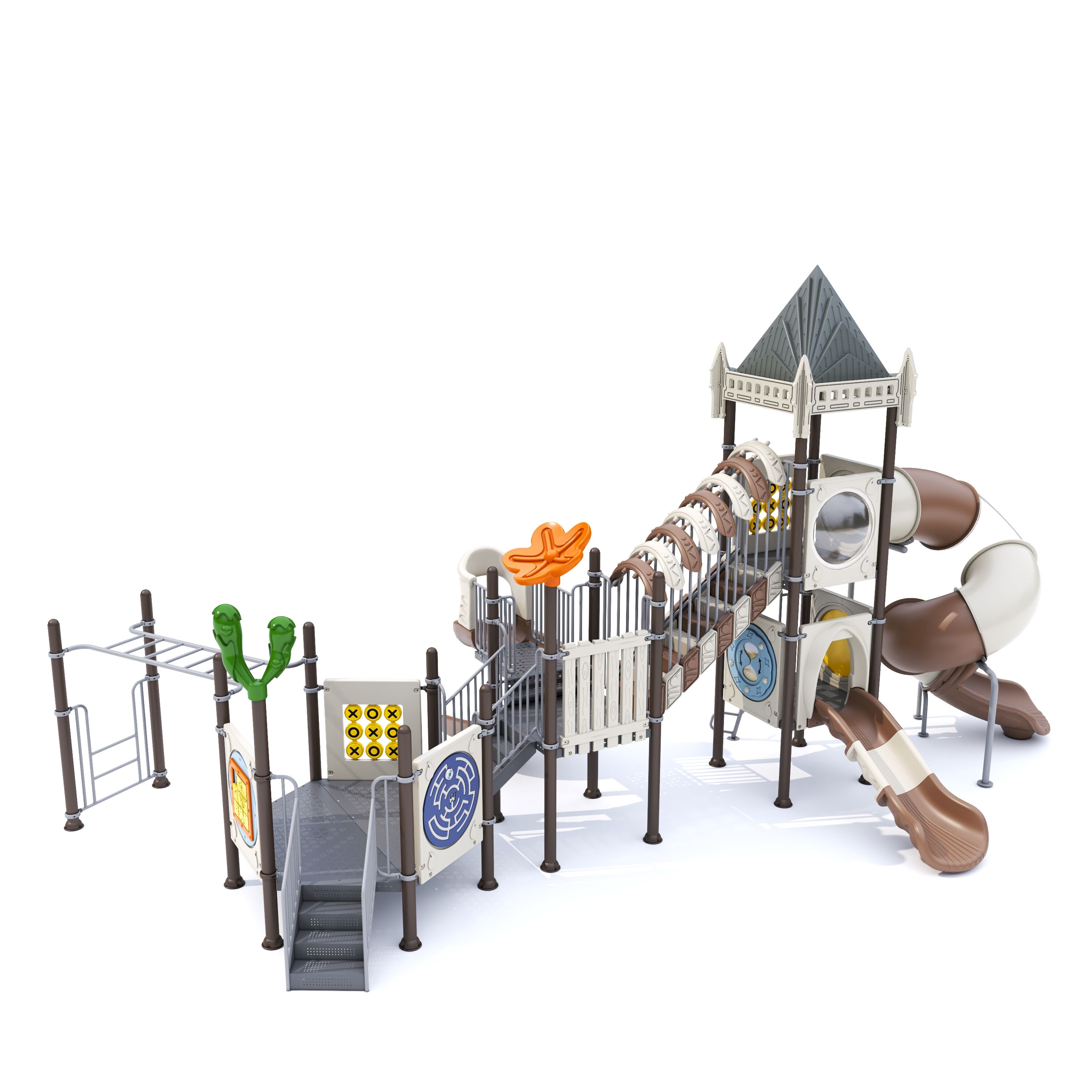
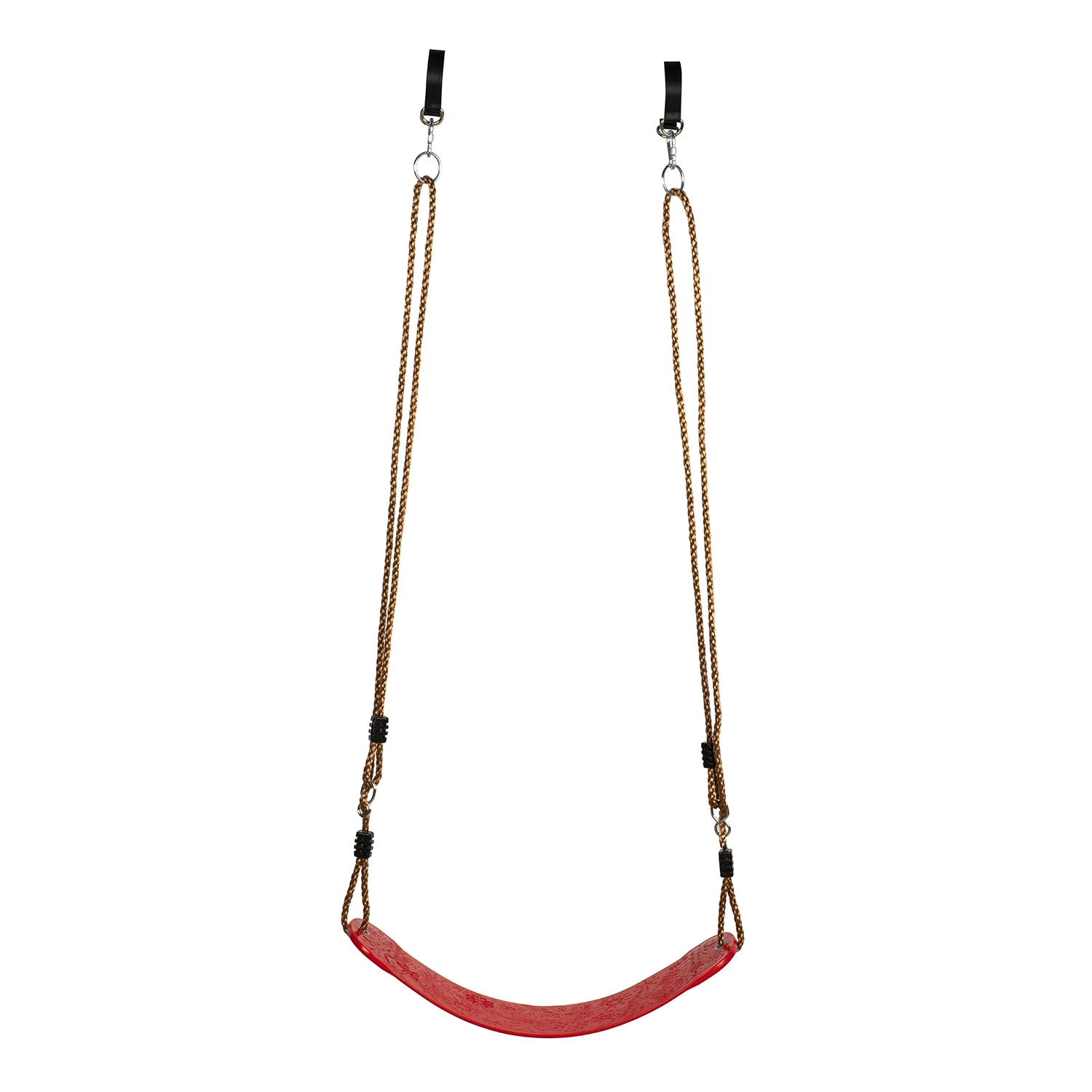
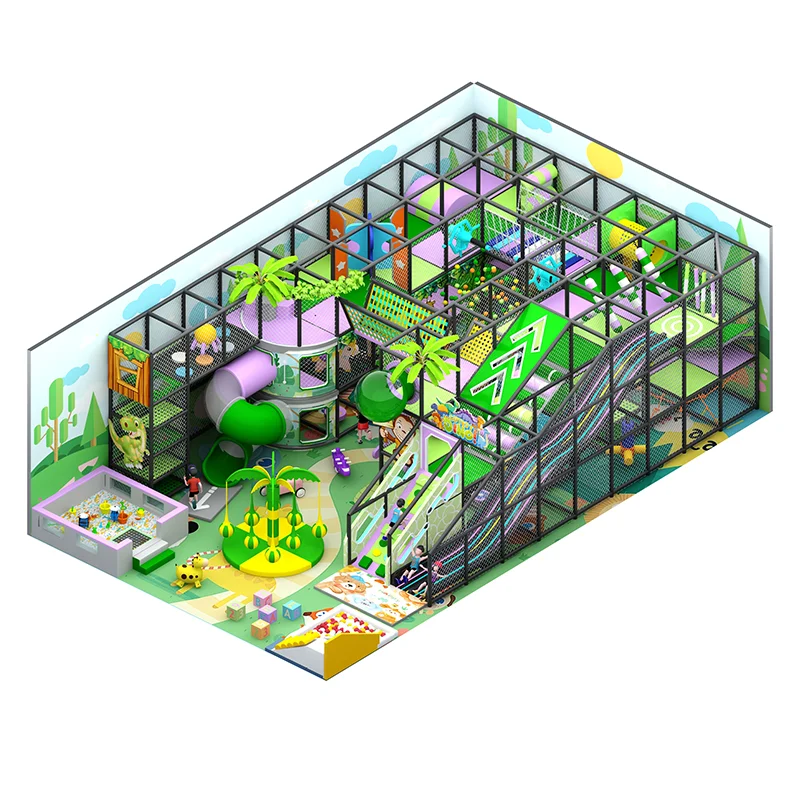
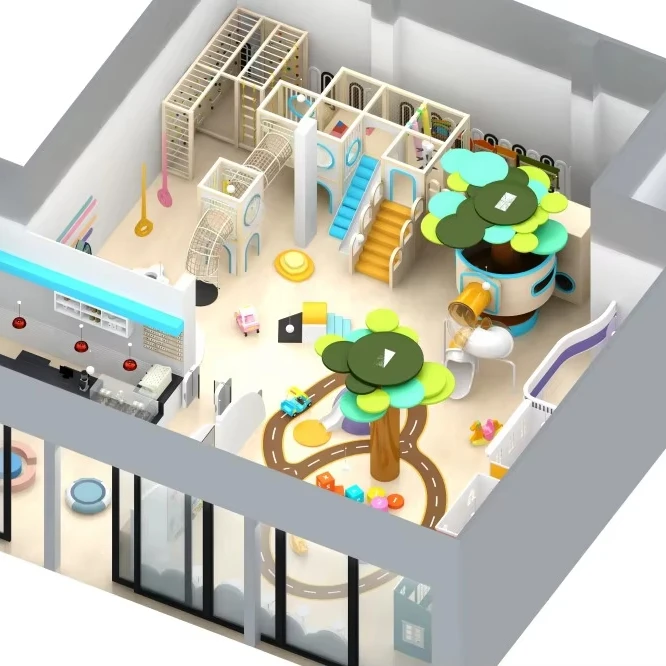
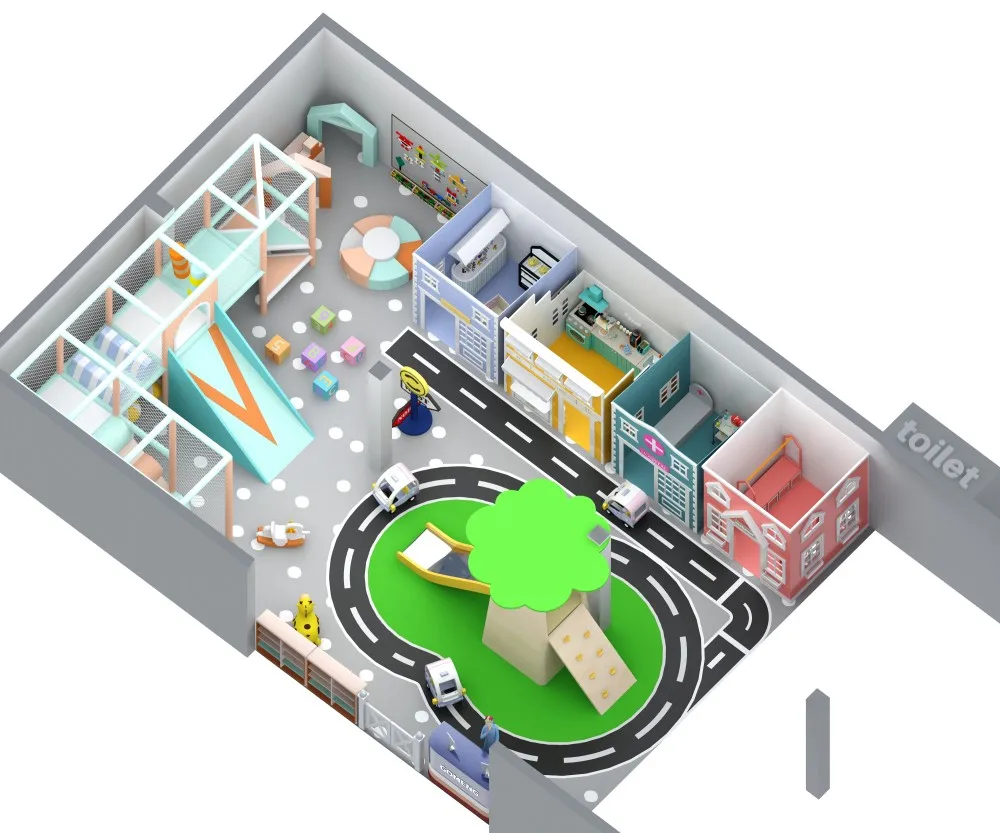
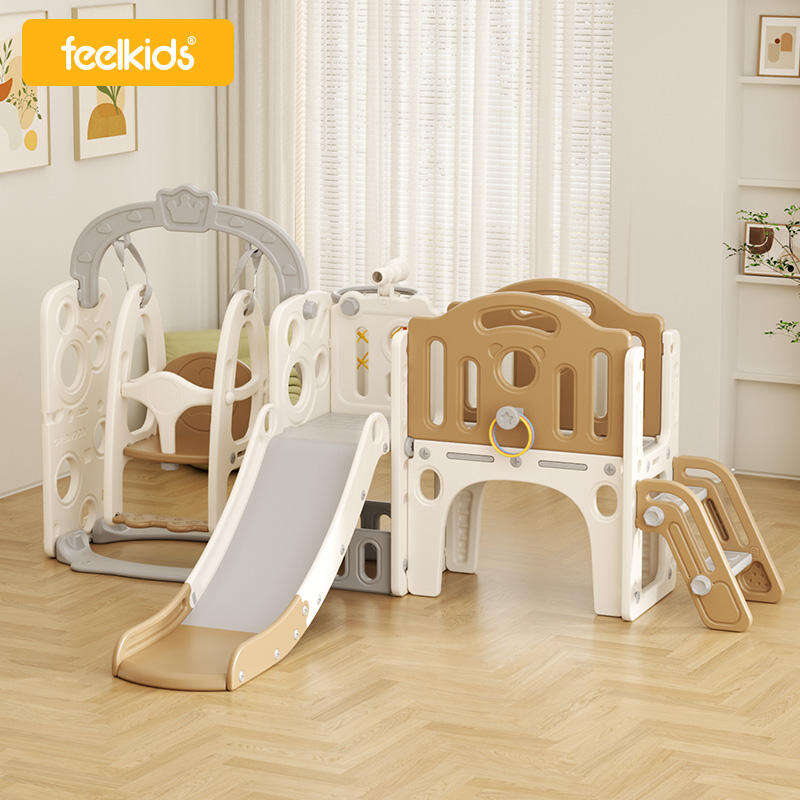
Outdoor play for 2 year olds represents a comprehensive approach to early childhood development through carefully designed activities and environments that harness the natural benefits of fresh air, physical movement, and sensory exploration. This specialized form of play encompasses a wide range of activities specifically tailored to meet the developmental needs of toddlers aged 24 months, focusing on gross motor skill enhancement, cognitive stimulation, and social-emotional growth. The main functions of outdoor play for 2 year olds include promoting physical fitness through climbing, running, jumping, and balancing activities, while simultaneously developing hand-eye coordination through sandbox play, ball games, and nature-based manipulative activities. The technological features of modern outdoor play environments incorporate safety-first design principles with non-toxic materials, rounded edges, and age-appropriate scaling that ensures optimal challenge levels without compromising security. These play systems often feature weather-resistant construction materials that withstand various climate conditions while maintaining their structural integrity and visual appeal. The applications of outdoor play for 2 year olds extend beyond simple entertainment, serving as therapeutic interventions for sensory processing development, social skill building through parallel and cooperative play experiences, and language development through nature-based vocabulary expansion. These outdoor experiences create opportunities for toddlers to engage with natural elements like sand, water, grass, and trees, fostering environmental awareness and scientific curiosity. The structured yet flexible nature of outdoor play for 2 year olds allows caregivers to adapt activities based on individual developmental needs, weather conditions, and available space, making it an invaluable tool for both home environments and professional childcare settings.
Popular Products

The advantages of outdoor play for 2 year olds extend far beyond simple entertainment, providing tangible benefits that directly impact child development and family well-being. Parents and caregivers discover that regular outdoor play sessions significantly improve their toddler's sleep patterns, as fresh air and physical exertion naturally regulate circadian rhythms and promote deeper, more restorative rest periods. This improvement in sleep quality creates a positive ripple effect throughout the entire household, reducing bedtime struggles and creating more peaceful evening routines. Physical health benefits emerge immediately through enhanced muscle strength, improved balance, and better coordination skills that develop naturally through climbing, running, and exploring uneven terrain. These physical improvements translate into greater confidence during indoor activities and reduced risk of accidents as toddlers develop better spatial awareness and body control. Cognitive development accelerates through outdoor exploration, as children encounter endless opportunities for problem-solving, pattern recognition, and cause-and-effect learning through natural play scenarios. The sensory richness of outdoor environments provides crucial stimulation for developing neural pathways, supporting healthy brain development during this critical growth period. Social benefits manifest as toddlers learn to navigate shared spaces, take turns with equipment, and engage in parallel play alongside peers, building essential interpersonal skills that form the foundation for future relationships. The immune system strengthens through regular exposure to outdoor elements, reducing the frequency of common illnesses and building natural resistance to environmental factors. Emotional regulation improves dramatically as outdoor play for 2 year olds provides healthy outlets for energy release, stress reduction, and mood stabilization through endorphin production during physical activity. Economic advantages include reduced healthcare costs due to improved overall health, decreased need for expensive indoor entertainment options, and long-term savings through the development of healthy lifestyle habits that persist throughout childhood. The versatility of outdoor play eliminates the need for costly indoor equipment while providing unlimited entertainment value that grows with the child's developing abilities and interests.

Practical Tips

The Ultimate Guide to Safe and Fun Kids' Playpens: Choosing a Trusted Custom Manufacturer

11

Mar

The Ultimate Guide to Safe and Fun Kids' Playpens: Choosing a Trusted Custom Manufacturer

View More
From Concept to Container: A Step-by-Step Guide to Sourcing Custom Kids' Playpens for Your Brand

11

Mar

From Concept to Container: A Step-by-Step Guide to Sourcing Custom Kids' Playpens for Your Brand

View More
More Than a Gate: How Premium Kids' Playpens Support Early Childhood Development and Peace of Mind

11

Mar

More Than a Gate: How Premium Kids' Playpens Support Early Childhood Development and Peace of Mind

View More

Get a Free Quote

Our representative will contact you soon.
Email
Name
Company Name
Message
0/1000

outdoor play for 2 year olds

Complete Physical Development Through Natural Movement Patterns

Complete Physical Development Through Natural Movement Patterns

The physical development benefits of outdoor play for 2 year olds create a comprehensive foundation for lifelong health and movement competency through natural, age-appropriate activities that engage every major muscle group. This holistic approach to physical development recognizes that toddlers learn best through unstructured movement experiences that challenge their bodies while respecting their developmental limitations and safety requirements. Gross motor skills flourish through activities like climbing small hills, navigating playground structures designed for their age group, and engaging in running games that build cardiovascular endurance without overwhelming their developing systems. The uneven surfaces commonly found in outdoor environments provide essential proprioceptive feedback that strengthens ankle stability, improves balance reactions, and develops the deep postural muscles necessary for future athletic endeavors and daily functional movements. Fine motor development occurs simultaneously through nature-based manipulative activities such as picking up leaves, arranging stones, digging in sand, and grasping various natural textures that provide resistance training for small hand muscles. These activities directly support pre-writing skills, self-care abilities, and tool use competency that becomes crucial for academic success and independence. The three-dimensional nature of outdoor play for 2 year olds encourages spatial awareness development as children learn to judge distances, navigate around obstacles, and understand their body's relationship to surrounding objects and surfaces. This spatial intelligence forms the foundation for mathematical concepts, reading skills, and scientific understanding that emerges throughout their educational journey. Bilateral coordination develops naturally through activities that require both sides of the body to work together, such as throwing balls, climbing equipment, and carrying objects while walking, creating the neural connections necessary for complex academic tasks like reading and writing. The variable intensity levels available through outdoor play allow toddlers to self-regulate their activity levels, learning to recognize fatigue signals, adjust their effort according to their energy levels, and develop the intrinsic motivation for physical activity that supports lifelong wellness habits.
Advanced Sensory Integration and Cognitive Enhancement

Advanced Sensory Integration and Cognitive Enhancement

The sensory integration benefits provided by outdoor play for 2 year olds create an optimal learning environment that simultaneously stimulates multiple sensory systems while promoting cognitive development through natural, engaging experiences that cannot be replicated in indoor settings. This multi-sensory approach recognizes that toddlers process information most effectively when they can engage their entire sensory system in unified, purposeful activities that build neural pathways essential for future learning success. The vestibular system receives crucial stimulation through swinging, spinning, and climbing activities that help toddlers develop balance, spatial orientation, and movement planning skills necessary for academic tasks like sitting still during story time and maintaining proper posture during fine motor activities. Proprioceptive input occurs naturally through heavy work activities such as pushing wheelbarrows, carrying buckets of sand, and climbing equipment, providing the deep pressure stimulation that helps regulate arousal levels and improves attention span for subsequent indoor activities. The tactile system benefits enormously from exposure to various natural textures including smooth stones, rough bark, soft grass, cool water, and malleable sand, creating rich sensory experiences that support brain development while reducing tactile defensiveness that can interfere with daily care routines and social interactions. Visual processing skills advance through tracking moving objects like bubbles and balls, scanning environments for interesting discoveries, and processing the complex visual information present in natural settings with varying light conditions, shadows, and depth perception challenges. Auditory processing develops through exposure to natural sounds, learning to filter background noise while focusing on important auditory information, and engaging in outdoor music and movement activities that build phonological awareness crucial for language development. The cognitive benefits extend beyond sensory processing to include executive function development through planning outdoor adventures, problem-solving natural obstacles, and making decisions about play sequences that build the mental flexibility required for academic success and social competence throughout childhood and beyond.
Social-Emotional Growth Through Natural Community Building

Social-Emotional Growth Through Natural Community Building

The social-emotional development fostered by outdoor play for 2 year olds creates authentic opportunities for relationship building, emotional regulation, and community connection that form the cornerstone of healthy psychological development and future social success. This natural approach to social learning recognizes that toddlers develop interpersonal skills most effectively through unstructured interactions with peers and adults in low-pressure environments that encourage exploration, cooperation, and mutual respect. Emotional regulation skills develop organically through outdoor experiences that provide natural consequences and immediate feedback, helping toddlers understand cause and effect relationships while learning to manage frustration, excitement, and disappointment in supportive settings. The calming influence of natural environments reduces stress hormones while promoting the production of mood-stabilizing neurochemicals, creating optimal conditions for emotional learning and self-control development that transfers to indoor environments and structured activities. Social skills emerge naturally through parallel play opportunities where toddlers can observe and imitate peer behaviors without the pressure of direct interaction, gradually building confidence for more complex social exchanges as their developmental readiness increases. Turn-taking concepts develop through shared outdoor equipment and materials, teaching patience, fairness, and consideration for others in contexts that feel like play rather than formal instruction. Communication skills flourish through the rich vocabulary opportunities present in outdoor environments, where new words for textures, weather conditions, plants, and animals emerge naturally through direct experience rather than abstract instruction. The inclusive nature of outdoor play for 2 year olds accommodates various personality types, from introverted children who prefer quiet observation to extroverted toddlers who thrive on active group participation, ensuring that every child can find their comfort zone while gradually expanding their social boundaries. Cultural awareness and environmental stewardship begin to develop as children learn to respect shared outdoor spaces, care for plants and animals, and understand their role as community members responsible for maintaining beautiful, functional play environments for everyone to enjoy.

Get a Free Quote

Our representative will contact you soon.
Email
Name
Company Name
Message
0/1000

Copyright © 2026 Yongjia Feiqi Toy Co., Ltd. All rights reserved.  -  Privacy policy