Cognitive Enhancement and Academic Readiness Through Nature-Based Learning
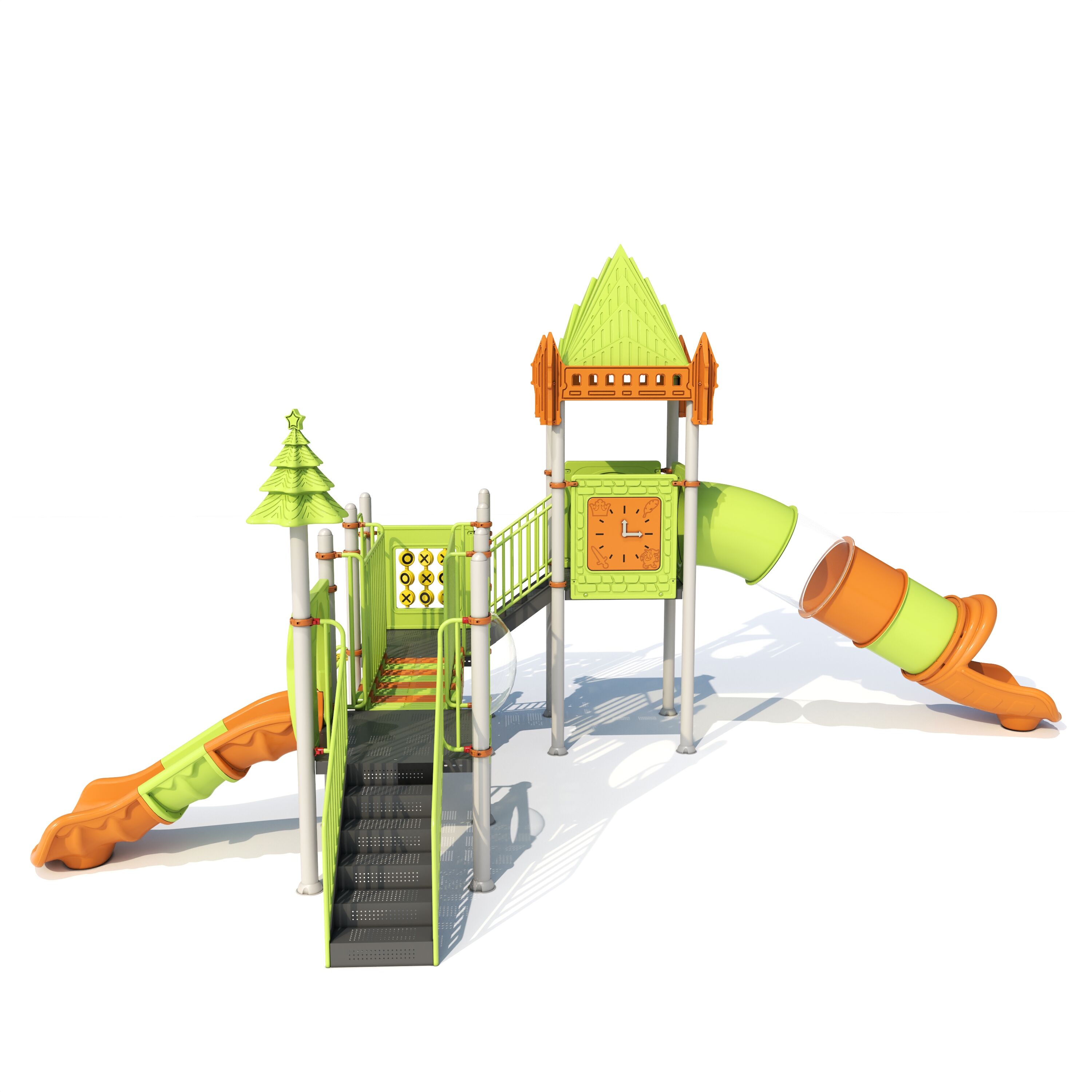
The cognitive benefits of outdoor play for preschoolers extend far beyond physical activity, encompassing critical thinking skills, academic readiness, and intellectual development through experiential learning opportunities that engage multiple brain regions simultaneously. Research consistently demonstrates that children who participate regularly in outdoor play show improved attention spans, enhanced memory retention, and better executive function skills compared to peers with limited outdoor exposure, directly translating to improved classroom performance and learning outcomes. The problem-solving challenges inherent in outdoor environments require preschoolers to analyze situations, develop strategies, and adapt approaches based on results, building analytical thinking skills essential for mathematics, science, and reading comprehension. Natural elements present in outdoor play for preschoolers settings provide countless opportunities for scientific observation, hypothesis formation, and experimentation as children explore cause-and-effect relationships through water flow, sand manipulation, and seasonal changes. Spatial reasoning abilities develop through navigation of three-dimensional playground structures, understanding of directional concepts, and visualization of pathways and routes, supporting geometry understanding and mathematical thinking patterns. Language development accelerates in outdoor settings where rich vocabulary emerges naturally through descriptive discussions of weather, textures, sounds, and experiences that children encounter during play sessions. The multi-sensory nature of outdoor environments supports different learning styles simultaneously, accommodating visual, auditory, and kinesthetic learners while reinforcing concepts through multiple modalities that enhance retention and understanding. Creativity flourishes when preschoolers engage with open-ended outdoor materials that can be transformed into countless possibilities, encouraging divergent thinking and innovation skills crucial for future academic and professional success. The reduced structure of outdoor play for preschoolers environments allows for self-directed learning experiences where children pursue interests, ask questions, and seek answers through experimentation rather than passive instruction, developing intrinsic motivation and curiosity that drive lifelong learning. Executive function skills including planning, organization, and task persistence develop naturally as children set goals, gather materials, and work through complex play scenarios that require sustained attention and sequential thinking. These cognitive advantages position children for academic success while fostering the creative thinking and problem-solving abilities essential for thriving in an increasingly complex and rapidly changing world.



 EN
EN