playground manufacturers
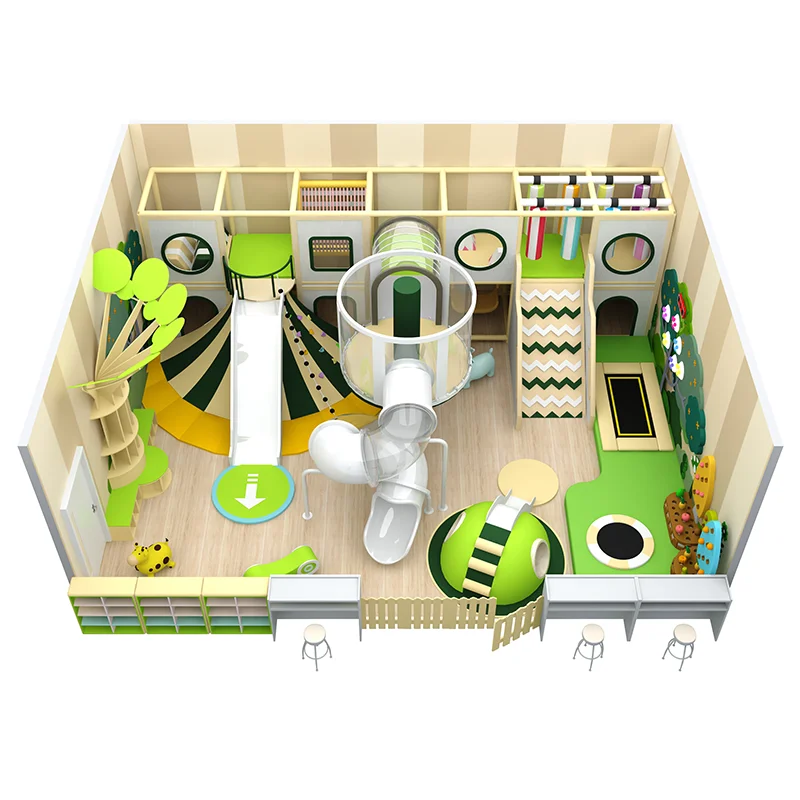
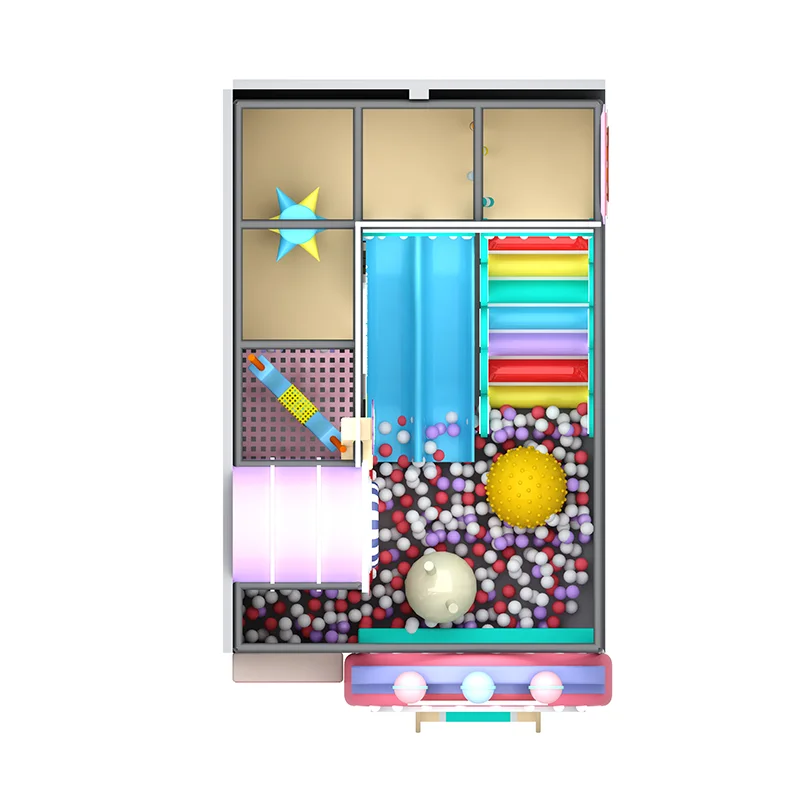
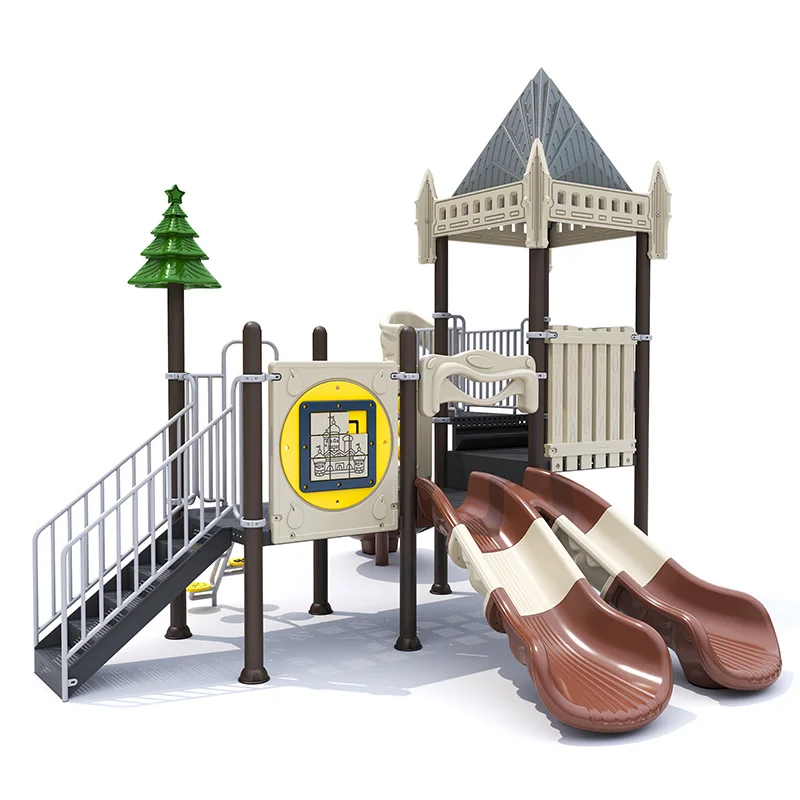
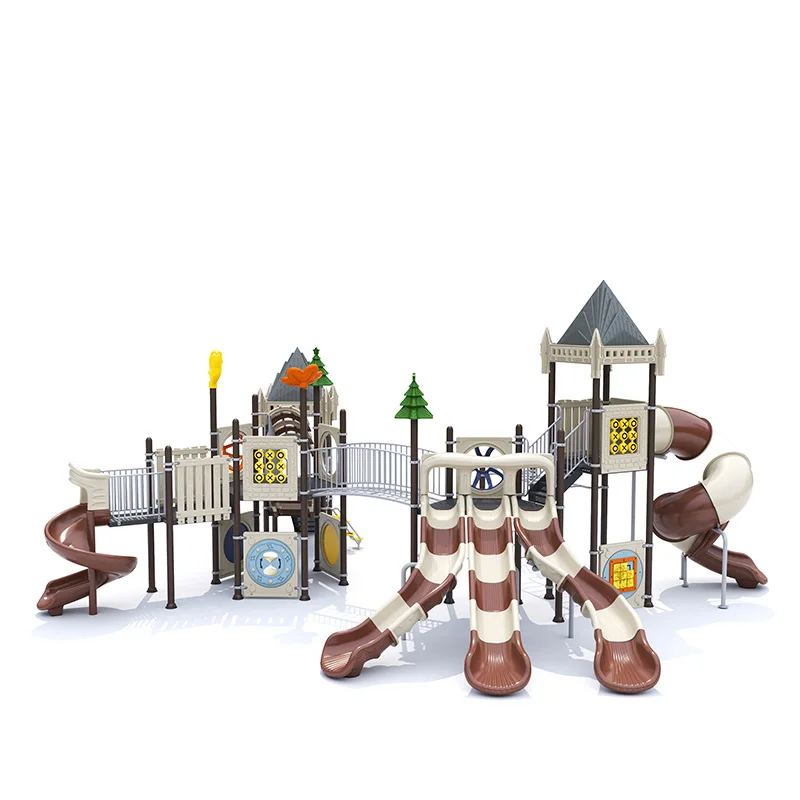
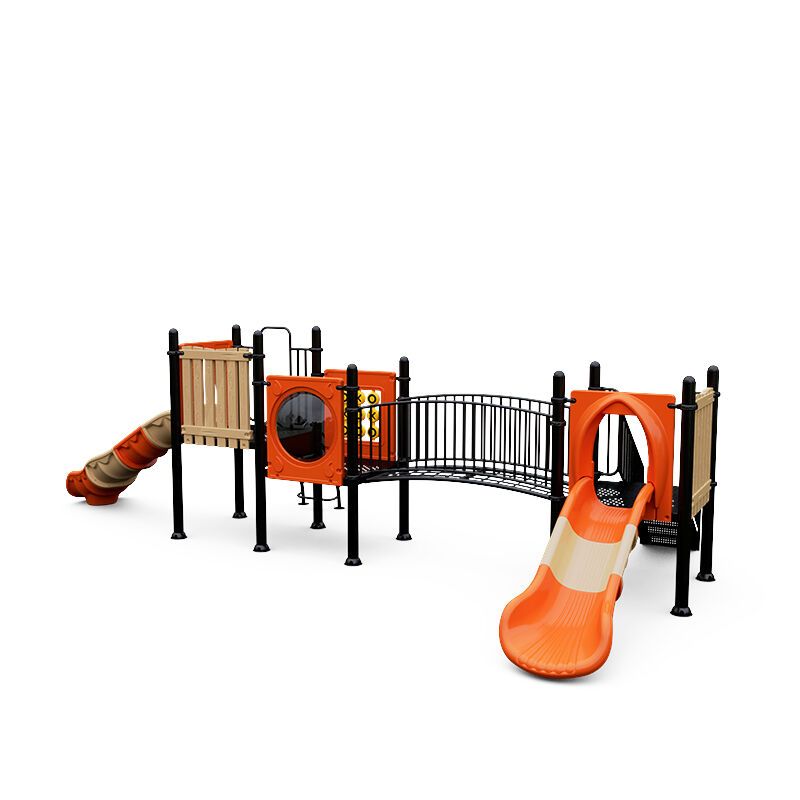
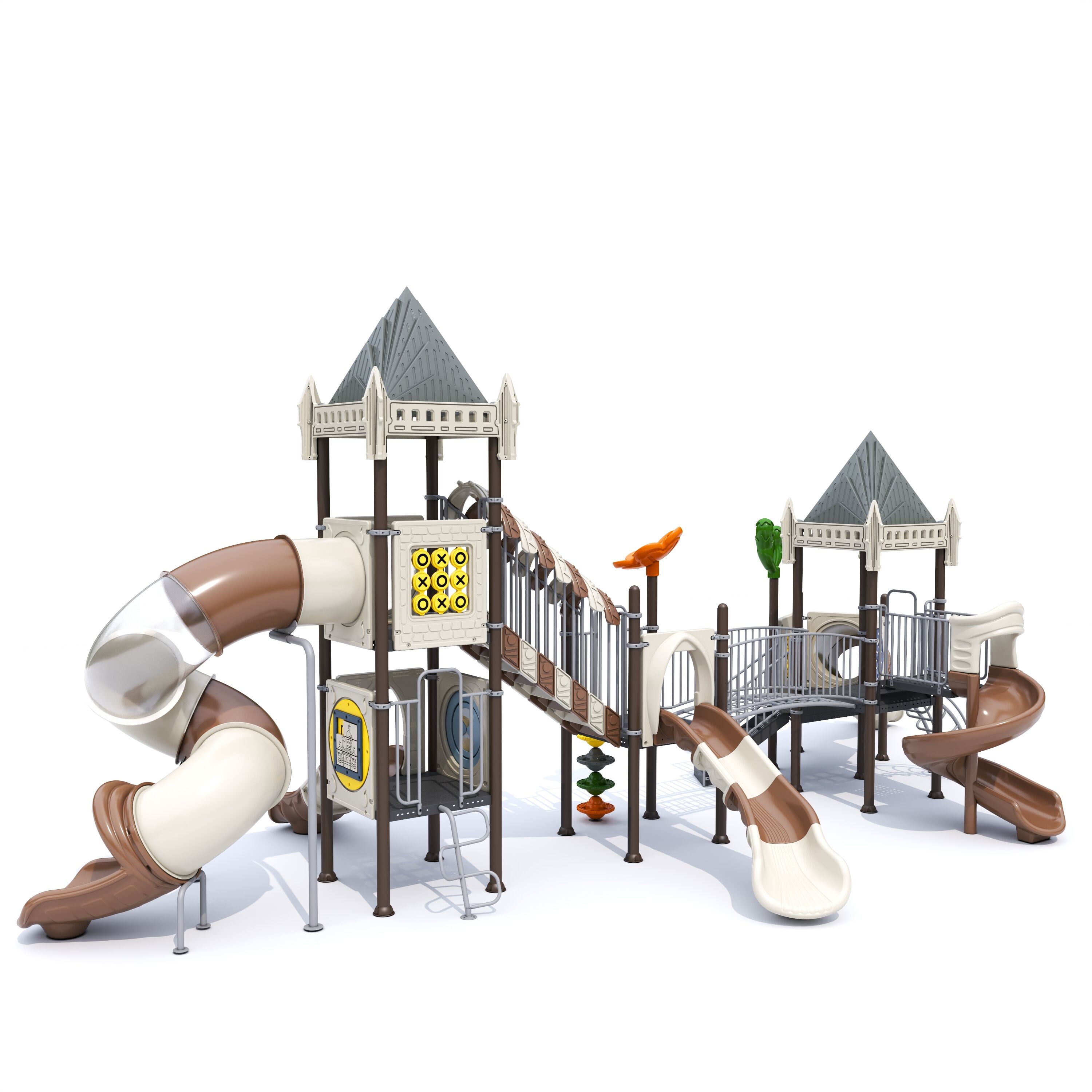
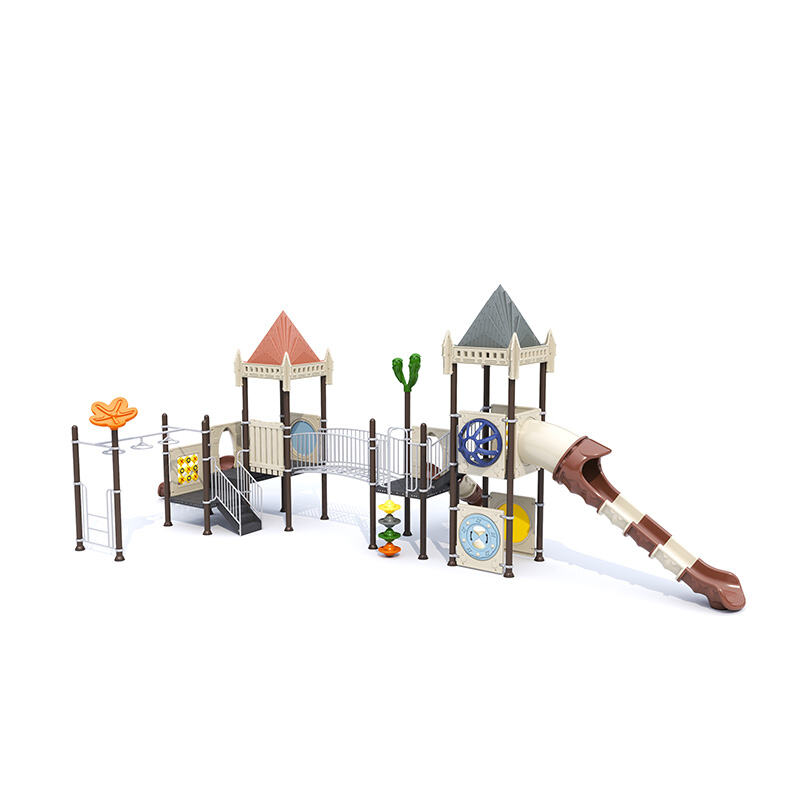
Playground manufacturers represent the backbone of recreational facility development, serving as specialized companies that design, engineer, and produce comprehensive play equipment systems for children and communities worldwide. These manufacturers focus primarily on creating safe, engaging, and developmentally appropriate play structures that cater to various age groups and physical abilities. The main functions of playground manufacturers encompass research and development of innovative play concepts, engineering structurally sound equipment, manufacturing durable components, and providing installation and maintenance services. Modern playground manufacturers utilize advanced CAD software and 3D modeling technologies to create detailed blueprints and prototypes before production begins. They employ high-grade materials such as galvanized steel, powder-coated aluminum, and commercial-grade plastics that withstand extreme weather conditions and heavy usage patterns. Safety certification processes form a critical component of their operations, ensuring all products meet or exceed international safety standards including ASTM, EN, and CSA guidelines. The technological features incorporated by contemporary playground manufacturers include anti-slip surfaces, rounded edges, impact-absorbing materials, and ergonomic designs that promote natural movement patterns. Many manufacturers now integrate inclusive design principles, creating equipment accessible to children with disabilities through wheelchair-accessible ramps, sensory play elements, and adaptive seating options. Applications of playground manufacturer products span diverse environments including public parks, schools, daycare centers, residential communities, hotels, restaurants, and therapeutic facilities. Commercial playground manufacturers often specialize in specific market segments, developing expertise in age-appropriate equipment ranging from toddler play systems to challenging structures for teenagers. The manufacturing process typically involves computer-controlled cutting, welding, powder coating, and quality assurance testing to ensure product longevity and performance standards are consistently maintained throughout production cycles.


 EN
EN