adaptive playground equipment
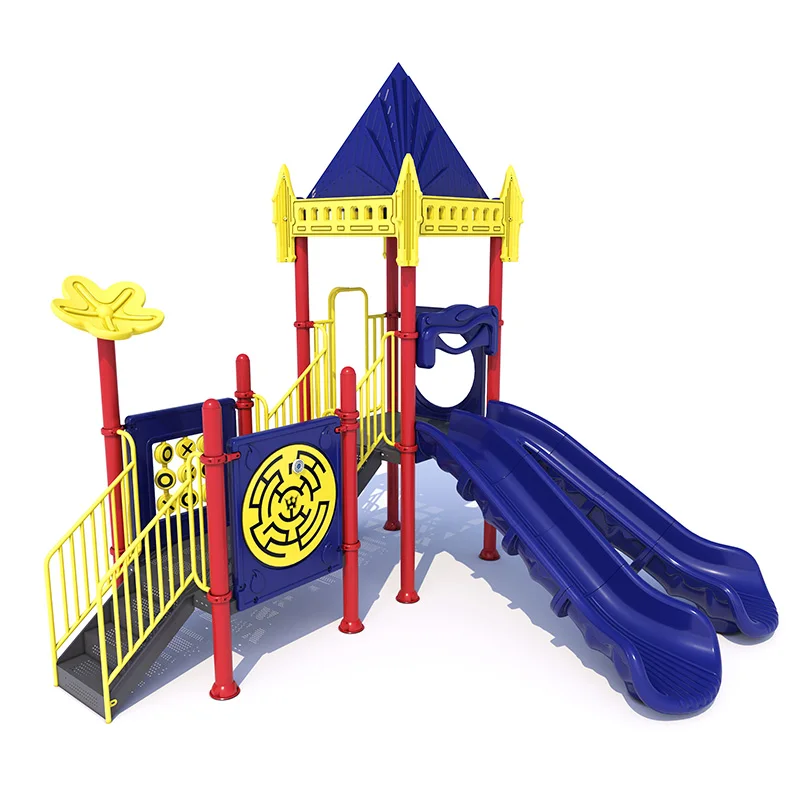
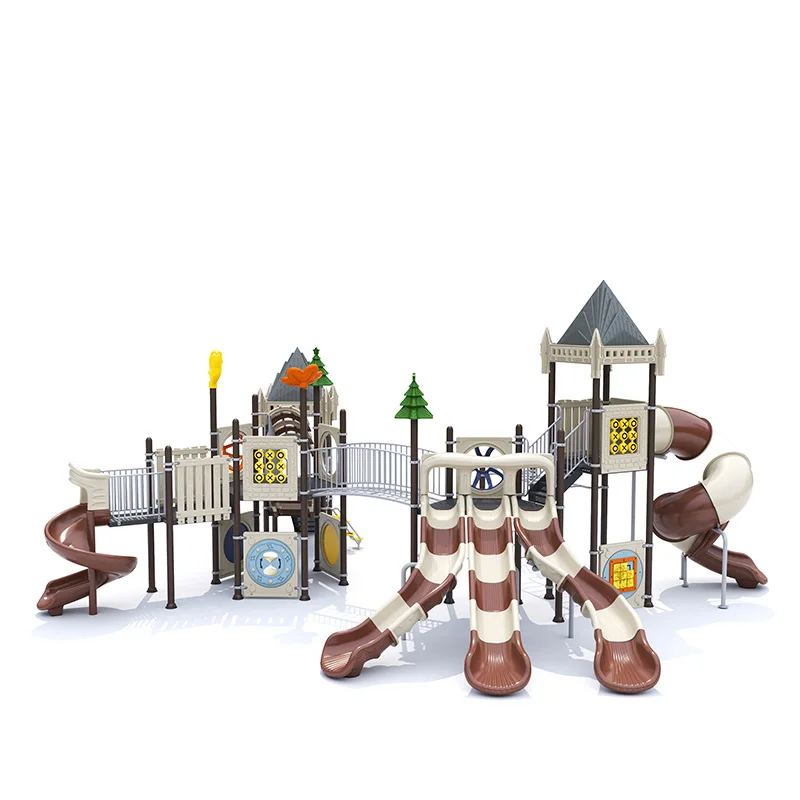
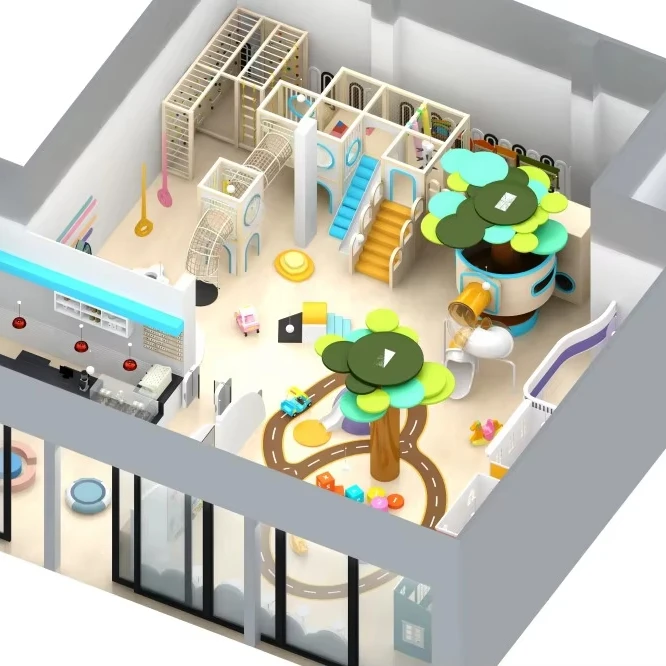
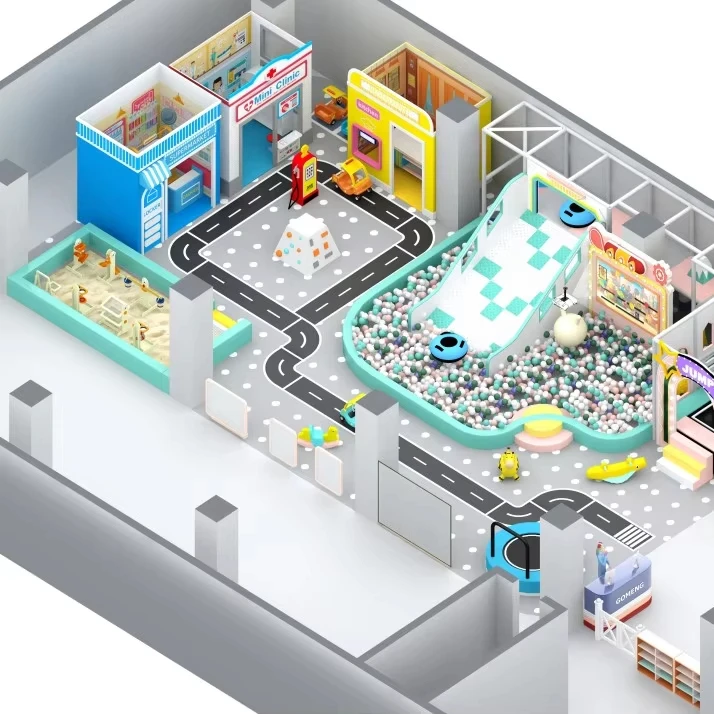
Adaptive playground equipment represents a revolutionary approach to inclusive recreational design, specifically engineered to accommodate children and adults with diverse physical, cognitive, and sensory abilities. This specialized equipment transforms traditional playgrounds into universally accessible environments where everyone can participate in meaningful play experiences. The primary functions of adaptive playground equipment include providing barrier-free access through ramps, transfer platforms, and ground-level activities that eliminate the need for climbing or stairs. These installations feature adjustable components that can be modified to suit different mobility levels, ensuring that wheelchair users, individuals with prosthetics, and those with limited mobility can fully engage in playground activities. Technological features incorporate advanced materials such as non-slip surfaces, tactile elements for visually impaired users, and sensory-rich components that stimulate multiple senses simultaneously. Smart integration includes electronic panels with audio cues, interactive displays with large buttons, and communication boards that support various assistive technologies. The equipment often includes transfer systems that allow safe movement from wheelchairs to play structures, along with supportive seating and positioning aids. Applications span across public parks, schools, therapy centers, hospitals, and community recreation facilities. Municipal governments increasingly install adaptive playground equipment to comply with accessibility regulations while creating inclusive community spaces. Educational institutions utilize these installations for therapeutic play programs and inclusive physical education curricula. Healthcare facilities incorporate adaptive playground equipment into rehabilitation programs, allowing patients to practice motor skills in engaging, non-clinical environments. The equipment serves children with autism spectrum disorders through sensory play elements, provides opportunities for physical therapy disguised as fun activities, and creates social interaction spaces where children of all abilities can play together, fostering understanding and friendship across diverse populations.


 EN
EN