wheelchair accessible playground equipment
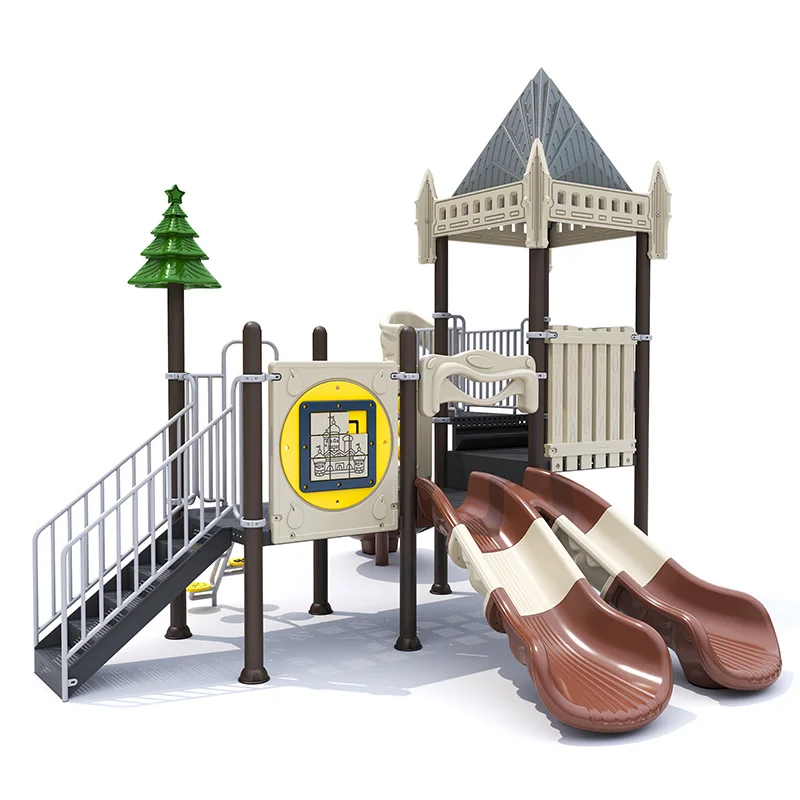
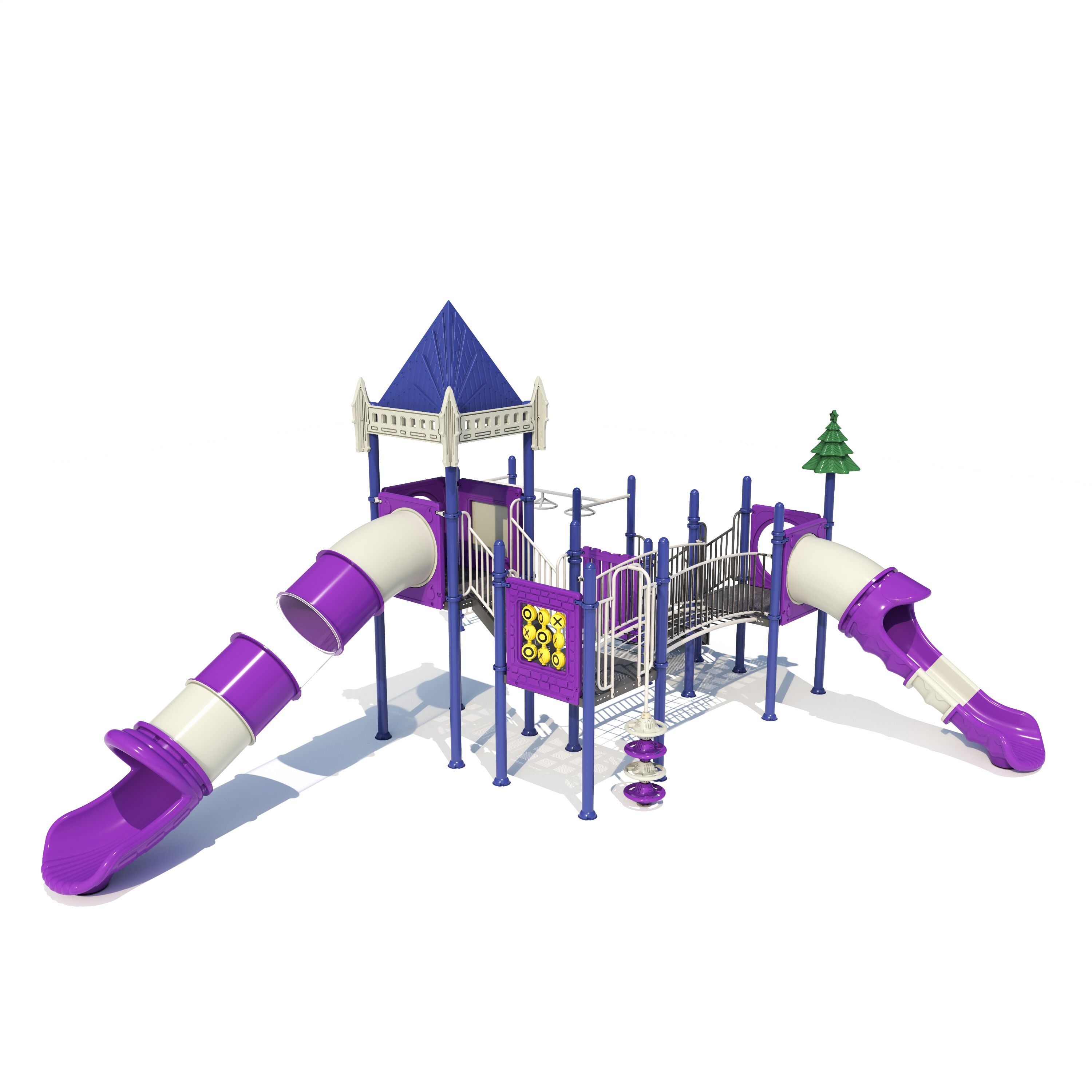
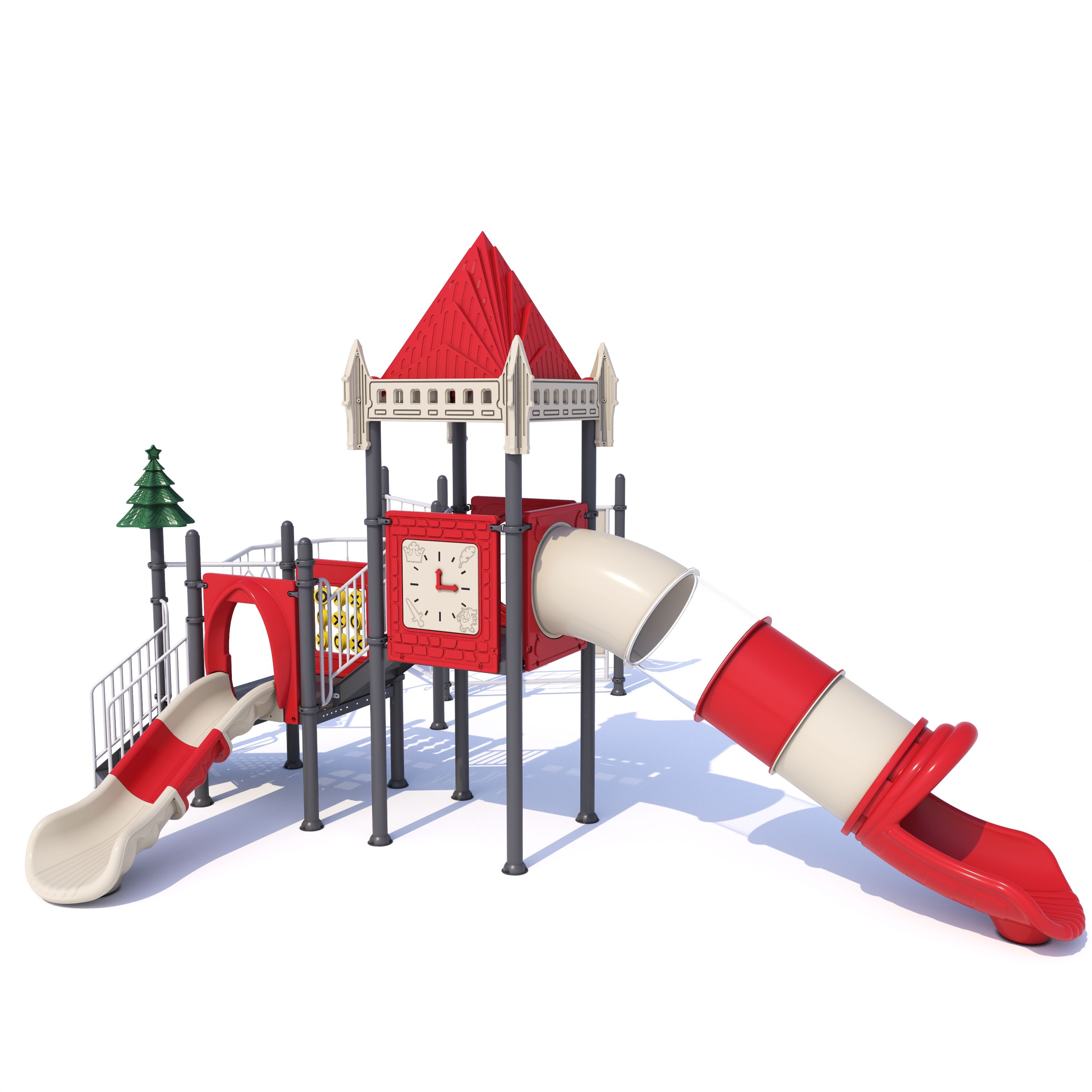
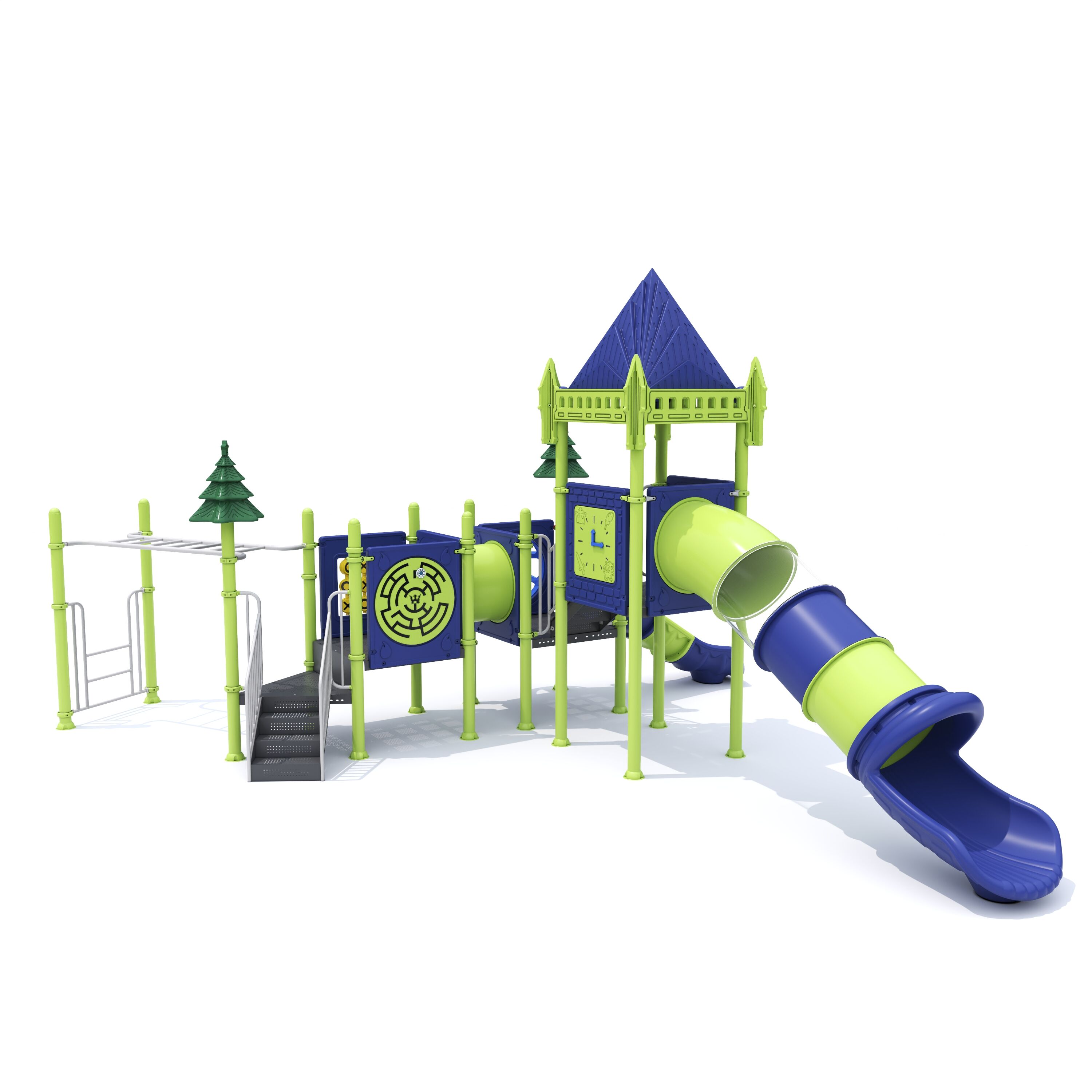
Wheelchair accessible playground equipment represents a revolutionary approach to inclusive recreation, designed specifically to accommodate children and adults with mobility challenges while ensuring seamless integration with traditional playground structures. This specialized equipment incorporates universal design principles that create barrier-free environments where individuals using wheelchairs can participate fully in recreational activities alongside their peers. The primary functions of wheelchair accessible playground equipment include providing safe transfer points, offering elevated play experiences through ramped access systems, and delivering sensory-rich interactions that engage users regardless of their physical abilities. These structures feature wide platforms with generous maneuvering space, typically measuring at least 60 inches by 60 inches to accommodate wheelchair turning radii. The technological features encompass non-slip surfaces with appropriate texture for optimal grip, reinforced support systems capable of handling increased weight loads, and specially engineered transfer platforms positioned at optimal heights for safe wheelchair-to-equipment transitions. Advanced materials such as high-density polyethylene and powder-coated steel provide durability while maintaining safety standards. The equipment incorporates tactile elements, musical components, and interactive panels that stimulate multiple senses without requiring fine motor skills. Applications span various settings including public parks, school playgrounds, therapeutic recreation centers, and community facilities. The wheelchair accessible playground equipment serves children with spina bifida, cerebral palsy, muscular dystrophy, and temporary mobility limitations from injuries. Installation locations range from urban parks seeking ADA compliance to specialized facilities focusing on adaptive recreation. Healthcare institutions utilize these structures for physical therapy programs, while educational institutions integrate them into inclusive playground designs that promote social interaction among children with diverse abilities, fostering empathy and understanding within communities.


 EN
EN