
 EN
EN


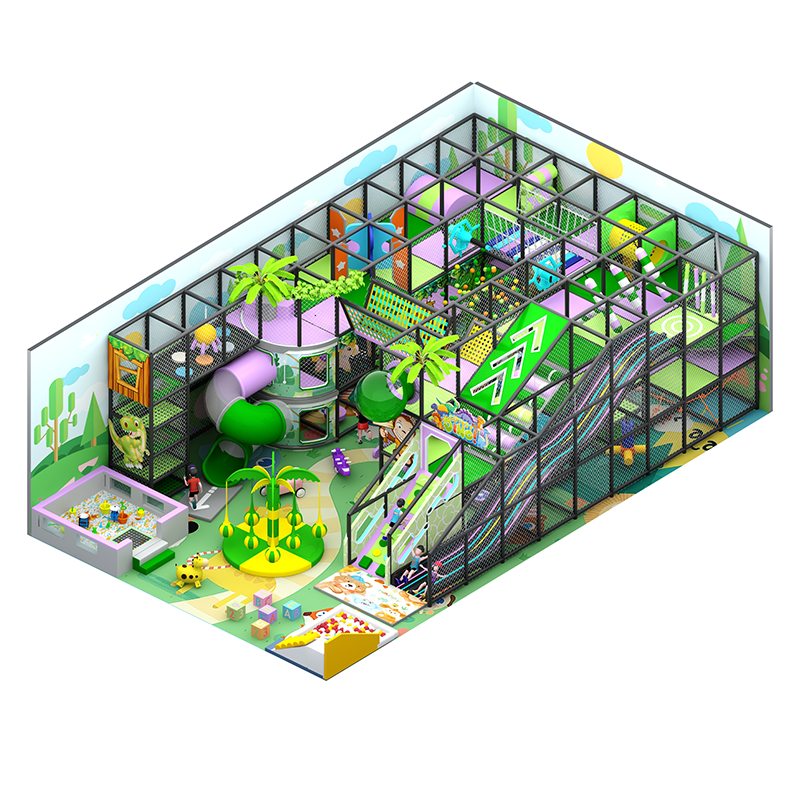
Designing an effective indoor playground is far more complex than simply placing play structures inside a building. The spatial arrangement, pathways, equipment selection, and visitor routing all work together to determine whether a facility feels welcoming and efficient or cramped and chaotic. Operators who invest time in thoughtful layout planning consistently see higher guest satisfaction, better revenue per square meter, and fewer safety incidents. Understanding the mechanics behind space utilization and visitor flow is therefore essential for anyone building or renovating an indoor playground.
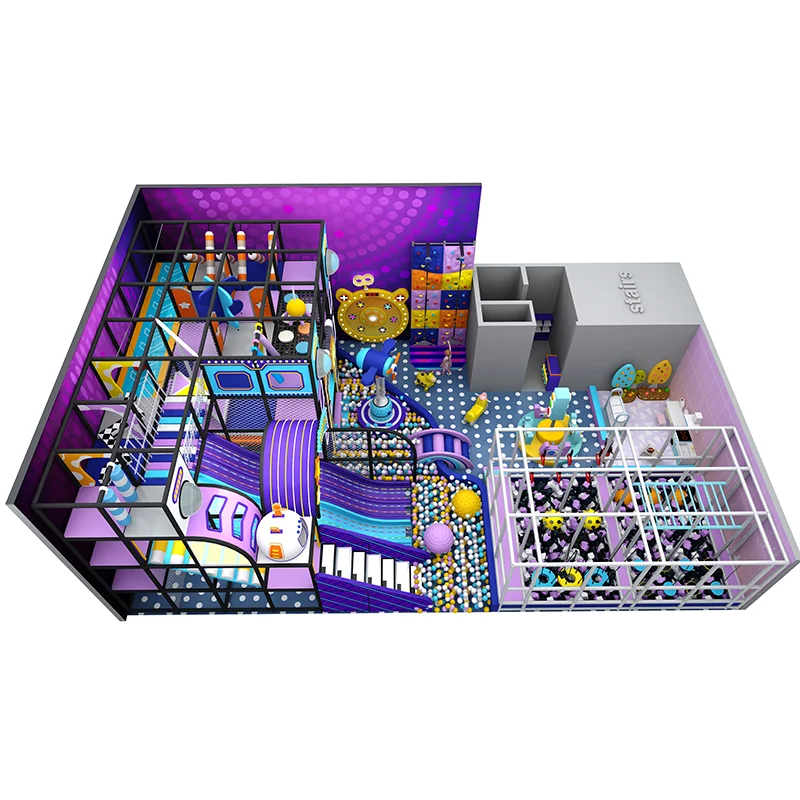
The principles that govern a well-performing indoor playground layout borrow from retail design, hospitality planning, and even urban traffic engineering. Every square meter must serve a purpose, and every pathway must guide visitors naturally without creating bottlenecks or confusion. When these principles are applied correctly, an indoor playground can handle significantly higher visitor volumes without enlarging its physical footprint. This article explores exactly how layout decisions influence space efficiency and visitor flow, providing practical guidance for operators at every stage of planning.
The Relationship Between Layout Strategy and Space Utilization
Understanding Space Efficiency in a Play Environment
Space utilization in an indoor playground refers to how productively every portion of the floor plan is used relative to its potential. Dead zones — areas that attract no visitors and serve no functional purpose — are among the most costly mistakes in facility design. They consume floor area, inflate heating and cooling costs, and reduce the overall revenue-generating capacity of the site. Identifying and eliminating dead zones is therefore the first priority in any serious layout review.
A well-planned indoor playground assigns each zone a specific role: active play, passive rest, supervision, food and beverage, entry and exit processing, and storage. When these roles are clearly defined and spatially separated, the facility operates with far greater efficiency. Overlapping functions, such as placing the entrance directly adjacent to a high-energy climbing structure, creates immediate congestion and reduces the usability of both spaces.
Operators should also think vertically, not just horizontally. Many indoor playground facilities underuse vertical space by restricting play structures to a single level. Multi-level configurations — where children can climb, crawl, and slide between elevated platforms — dramatically increase the usable play area without expanding the building's footprint. This vertical thinking is one of the most effective tools available for maximizing space in a compact indoor playground.
Zoning as a Foundation for Efficient Use
Effective zoning divides the indoor playground into clearly defined areas based on age group, activity type, and intensity level. Toddler zones require soft flooring, lower structures, and close adult proximity. School-age zones can accommodate taller climbing frames, obstacle courses, and more dynamic equipment. Separating these zones prevents older children from overwhelming younger ones and allows parents to supervise more confidently.
Beyond age-based zoning, activity intensity should guide spatial allocation. High-energy zones such as climbing walls or ball pits should be positioned away from quiet areas like reading corners or soft-play infant sections. This separation reduces noise conflicts and ensures that different visitor groups can enjoy the indoor playground simultaneously without interfering with each other's experience.
Zoning also has a direct commercial impact. When food and beverage areas are positioned with clear sightlines to the main play zones, parents are more likely to remain seated and continue purchasing while watching their children. This seemingly small design decision can meaningfully increase per-visit revenue in a well-run indoor playground.
Designing Visitor Flow for Maximum Efficiency
Entry and Exit Pathways as Flow Control Mechanisms
The entry sequence of an indoor playground sets the tone for the entire visit. A well-designed entry zone processes arrivals quickly, collects necessary information, assigns wristbands or tickets, and channels visitors toward the correct areas without creating a crowded bottleneck. Poorly designed entries force families to queue in tight spaces, which creates immediate frustration and delays revenue processing.
Separating entry and exit pathways is a critical design principle that many operators overlook. When arrivals and departures share the same corridor, congestion becomes inevitable during peak hours. A dedicated exit route — even if it loops back through a less prominent section of the facility — keeps traffic moving efficiently and reduces the stress of departure, which is already an emotionally charged moment for young children.
The width of primary pathways within the indoor playground must accommodate stroller traffic, which is often wider than designers anticipate. A minimum corridor width of 1.5 meters is advisable for high-traffic routes, while secondary pathways can be narrower. Keeping primary routes clear of equipment overhangs and protruding elements ensures that parents with strollers can navigate without difficulty.
Circulation Patterns That Guide Visitors Naturally
Visitors to an indoor playground should feel guided through the space without being explicitly directed. This is achieved through what designers call 'natural circulation' — the use of visual cues, lighting, flooring changes, and equipment placement to steer movement intuitively. When done well, visitors discover the entire facility organically, spending more time inside and engaging with more amenities.
Anchor attractions — the most visually impressive or popular play structures — should be positioned toward the rear or center of the indoor playground rather than immediately at the entrance. This placement encourages visitors to walk through more of the facility before reaching the primary destination, increasing exposure to secondary attractions, merchandise displays, and food service areas. This strategy is borrowed directly from successful retail environments and translates effectively to the play industry.
Lighting plays a surprisingly powerful role in guiding flow. Brighter lighting naturally draws visitors forward, while dimmer zones signal rest or transition areas. Color-coded flooring or themed visual transitions between zones help even young children intuitively understand where different types of play are available. These non-verbal cues reduce confusion and keep the indoor playground feeling organized rather than chaotic.
Equipment Selection and Placement for Dual Optimization
Choosing Structures That Serve Both Space and Flow Goals
The physical equipment chosen for an indoor playground has a direct impact on both space utilization and visitor flow. Large monolithic structures placed in the center of a room can disrupt natural circulation and create blind spots that complicate supervision. Modular equipment that can be configured to follow the shape of the available space is typically far more efficient, allowing the layout to adapt to irregular floor plans or unusual ceiling heights.
High-capacity play structures — those designed to accommodate many children simultaneously — are especially valuable in busy indoor playground environments. Structures with multiple entry and exit points, internal slides, and interconnected climbing sections allow children to move through continuously rather than queuing at a single access point. This continuous movement model reduces congestion around popular equipment and improves the overall flow experience.
Equipment placement should also account for supervision angles. Parents and staff need unobstructed sightlines to key play areas, particularly those used by younger children. Structures that block staff supervision lines create safety risks and force operators to increase staffing levels to compensate. Thoughtful equipment positioning eliminates these blind spots and allows a smaller team to maintain effective oversight of the entire indoor playground.
Integrating Rest and Transition Spaces Strategically
Rest zones and transition areas are not wasted space — they are functional components of a high-performing indoor playground layout. Children need periodic breaks from intense physical activity, and parents need comfortable seating with good visibility. When these needs are met within the design, visitors stay longer and leave with a more positive overall impression.
Seating should be distributed throughout the indoor playground rather than concentrated in a single area. Benches, booth seating, and café-style tables placed at regular intervals give parents multiple options for observation and rest. This distribution also prevents overcrowding in any single parent zone, which improves the overall atmosphere and reduces perceived wait times at popular structures.
Transition spaces — the areas between major zones — should be designed with gentle activity options rather than left empty. Low-level interactive panels, sensory elements, or small climbing features in these transition corridors keep children engaged while moving between zones. This prevents the 'rush and queue' behavior that emerges when high-intensity attractions are separated only by blank corridors, improving the overall flow rhythm of the indoor playground.
Safety and Compliance as Layout Constraints
Building Code and Safety Standards That Shape the Layout
No indoor playground layout can be optimized purely for commercial efficiency without accounting for safety regulations and building codes. Fire egress requirements mandate that exit routes remain clear and accessible at all times, which restricts where certain large structures can be placed. Understanding these restrictions before finalizing a layout prevents costly redesigns later in the construction process.
Fall zones around elevated structures must be calculated based on the maximum drop height, and these safety clearances must be factored into the overall floor plan. In a compact indoor playground, fall zone requirements can consume a significant portion of the available floor area. Choosing equipment with integrated fall management features — such as enclosed climbing zones or reduced drop heights — can help operators recover usable space while maintaining full compliance.
Emergency access routes must be incorporated into the layout from the earliest planning stage. Staff must be able to reach any child in the indoor playground within seconds in an emergency, which requires internal pathways wide enough for adult movement through or around play structures. These emergency corridors can often double as supervision walkways during normal operations, giving them a dual purpose that justifies the space they occupy.
Capacity Management Through Physical Design
Every indoor playground has a maximum safe capacity, and the physical layout should actively support capacity management rather than leaving it entirely to staff discretion. Design features such as timed entry systems, zoned ticketing, and clearly defined maximum occupancy per zone allow operators to manage crowds proactively rather than reactively.
Physical design can also discourage unsafe behaviors without relying on constant verbal intervention. Guardrails at appropriate heights, color-coded zones for different age groups, and equipment access points sized for specific age ranges all serve as passive safety tools. When the indoor playground layout incorporates these features, it reduces the safety burden on staff and creates a more self-regulating environment.
Capacity management through design also protects the quality of the visitor experience. When a facility feels overcrowded, satisfaction drops regardless of the quality of the equipment. By designing the layout to naturally distribute visitors across multiple zones and time-smooth arrivals through entry design, operators can maintain a comfortable atmosphere even during peak periods in the indoor playground.
FAQ
What is the most important factor in indoor playground layout design?
The single most important factor is the integration of visitor flow with space utilization. A layout that places popular attractions strategically, separates age groups effectively, and maintains clear supervision sightlines will consistently outperform one that prioritizes aesthetics or equipment quantity alone. Every design decision should serve both the visitor experience and operational efficiency simultaneously within the indoor playground.
How much space should an indoor playground allocate per child?
Industry guidelines typically recommend a minimum of 1.5 to 2.5 square meters of active play space per child, depending on the type of equipment and the intensity of the activities offered. However, total facility space per visitor should also account for parent seating, circulation pathways, and service areas, which typically means the overall floor area per visitor should be calculated at 4 to 6 square meters for a comfortable, well-functioning indoor playground.
How can a small indoor playground maximize visitor flow?
Small indoor playground facilities benefit most from vertical play structures, modular equipment with multiple access points, and strict zoning that prevents age group conflicts. Timed play sessions help distribute visitor volume across the day rather than concentrating it during peak hours. Clear visual wayfinding, separated entry and exit routes, and strategically placed seating also contribute significantly to smooth flow even in compact spaces.
Does the layout of an indoor playground affect revenue?
Yes, layout has a direct and measurable impact on revenue. Facilities that position food and beverage services with clear sightlines to play areas see higher parent spending per visit. Layouts that encourage visitors to explore the entire facility — rather than concentrating in one area — increase engagement time and reduce early departures. Effective capacity management through physical design also allows the indoor playground to handle more visitors safely during peak periods, directly increasing total revenue potential.