
 EN
EN


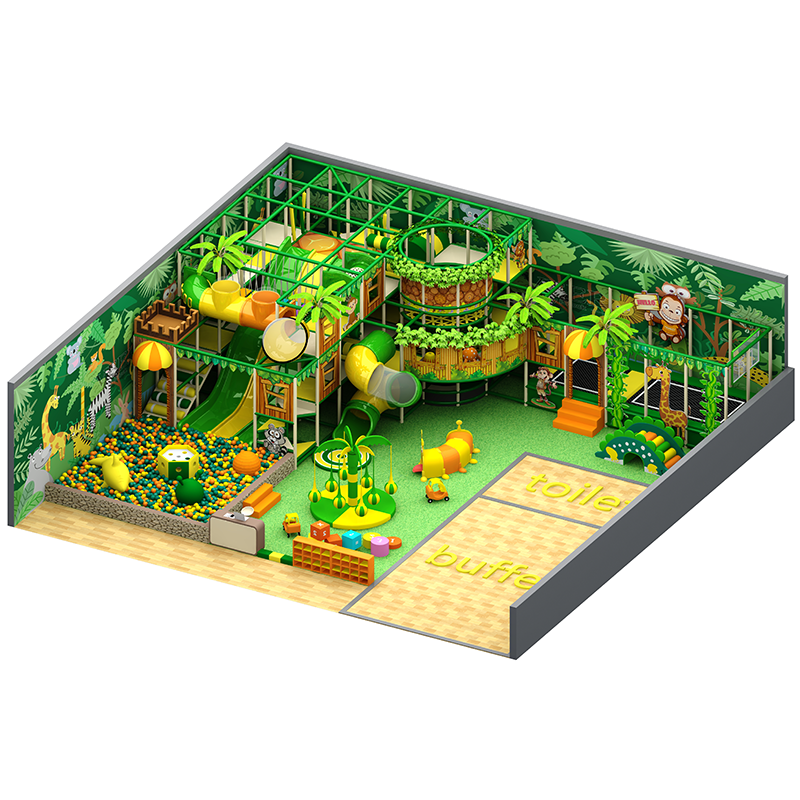
Planning and installing a kids playground is far more complex than simply selecting attractive equipment and placing it in an open space. Every decision made during the planning and installation process carries direct implications for child safety, long-term usability, and regulatory compliance. Whether you are designing a kids playground for a school, shopping mall, amusement park, or community garden, the safety considerations that guide your choices will ultimately determine whether the space genuinely protects the children who use it. Skipping or underestimating these considerations not only creates legal liability but can result in preventable injuries that affect children and families.
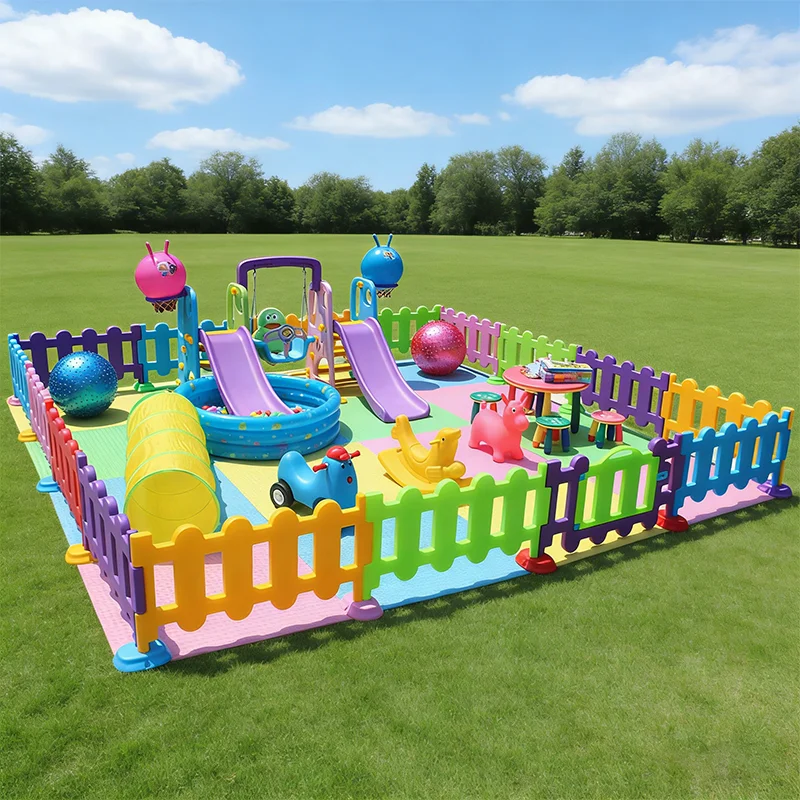
This article provides a detailed examination of the essential safety considerations that every planner, facility manager, educator, and procurement professional must understand before breaking ground or signing equipment contracts. From site evaluation and equipment standards to enclosure systems and ongoing maintenance protocols, each layer of planning contributes to a kids playground that is as safe as it is engaging. Understanding these factors in sequence allows decision-makers to build safer environments from the very first step of the planning process through to final installation and daily operation.
Site Evaluation and Environmental Safety Factors
Assessing Ground Conditions and Space Requirements
Before any equipment is selected or installed, the physical environment of a kids playground must be thoroughly evaluated. Ground conditions play a fundamental role in determining which safety surfacing materials are appropriate and whether the sub-base beneath the playground can adequately support equipment anchoring systems. Soft, unstable, or waterlogged ground may shift over time, causing equipment to tilt or anchor points to loosen, which creates serious fall and entrapment hazards.
Space requirements are equally important. Every piece of equipment within a kids playground requires a defined use zone — the area around and beneath the equipment where a child could land if they fall or dismount. These use zones must not overlap with adjacent equipment, pathways, or boundary structures. Failure to account for adequate spacing during site planning is one of the most common safety errors made by organizations that rush the planning stage or prioritize fitting more equipment over maintaining safe distances.
The surrounding environment must also be assessed for natural hazards. Trees with low branches, uneven terrain, proximity to water features, or areas exposed to extreme wind conditions can all introduce risks that affect the overall safety of a kids playground. A thorough site survey conducted by qualified professionals should precede all equipment selection decisions.
Sun Exposure, Drainage, and Visibility Planning
Sun exposure is a frequently overlooked safety factor in kids playground planning. Metal and plastic equipment surfaces exposed to direct sunlight for extended periods can reach temperatures that cause skin burns on contact, particularly during summer months. Planners should evaluate the orientation of the site relative to the sun's path and incorporate shading structures or strategic tree planting where necessary to reduce surface temperature risks during peak hours.
Adequate drainage prevents water accumulation that makes surfaces slippery and increases fall risk. A kids playground installed on improperly graded ground may develop puddles that freeze in colder climates or simply remain perpetually wet, degrading both safety surfaces and the structural integrity of wooden components. Proper gradient planning and subsurface drainage solutions must be part of the site preparation phase.
Adult supervisory visibility across the entire kids playground area is also a critical safety design element. Layout plans should minimize blind spots by positioning equipment in configurations that allow supervisors stationed at key points to observe all children. This is particularly important in enclosed or multi-level playground environments where equipment structures might otherwise obscure sightlines.
Equipment Standards and Material Safety
Compliance with Recognized Safety Standards
A kids playground must be equipped with products that conform to recognized safety standards applicable to the region where the installation takes place. In Europe, EN 1176 governs playground equipment and surfacing requirements. In North America, ASTM F1292 and CPSC guidelines provide the benchmark for safety performance. These standards specify requirements relating to structural strength, entrapment prevention, protrusion hazards, and maximum fall heights, among many other criteria.
Procurement teams should require documented proof of compliance from equipment suppliers before finalizing purchases. This includes independent laboratory test certificates rather than self-declared compliance claims. Equipment that does not meet established standards may appear structurally similar to compliant products but lack the engineering controls that prevent foreseeable misuse injuries in a kids playground environment.
Age-appropriate equipment design is another dimension of standards compliance. A kids playground that serves both toddlers and older children must segregate equipment by developmental stage. Toddler areas require lower heights, wider platforms, and gentler gradients, while equipment designed for older children may include greater challenge and height but must remain within defined fall zone parameters.
Material Selection for Durability and Child Safety
The materials used in kids playground equipment and enclosures directly affect both safety performance and long-term reliability. Steel components must be treated against corrosion, with galvanized or powder-coated finishes that resist rust formation. Untreated metal corrodes over time, producing sharp edges and weakened joints that are significant injury hazards. Plastic components should be UV-stabilized to prevent brittleness and cracking caused by prolonged sun exposure.
Soft play equipment and perimeter fencing systems designed for kids playground environments should use non-toxic, child-safe materials that have been tested for harmful chemical content, including heavy metals and phthalates. Foam padding used in soft play areas must meet fire resistance standards and should be encased in durable, easily cleanable coverings that resist tearing and microbial buildup.
For enclosure systems specifically, kids playground safety fencing and playpens made from polyethylene offer excellent impact absorption, weather resistance, and longevity compared to rigid alternatives. These systems can be deployed in schools, shopping malls, and amusement parks to create contained play areas that prevent young children from wandering into hazardous zones while remaining clearly visible to supervising adults.
Fall Protection and Safety Surfacing
Understanding Critical Fall Height and Impact Attenuation
Falls account for the majority of injuries that occur in a kids playground setting. The most effective way to reduce the severity of these injuries is through the installation of appropriate impact-attenuating surfacing beneath and around play equipment. The critical fall height of each piece of equipment — the maximum height from which a child could fall — must be matched to a surfacing material capable of attenuating that level of impact force.
Common surfacing materials used in kids playground installations include engineered wood fiber, rubber mulch, poured-in-place rubber, rubber tiles, and loose-fill sand or gravel. Each material has specific depth requirements and maintenance demands. Engineered wood fiber and loose-fill materials settle and compact over time and must be regularly replenished to maintain their impact attenuation performance. Poured-in-place rubber and rubber tiles offer more consistent performance with less maintenance but require a higher initial investment.
Hard surfaces such as concrete, asphalt, and packed dirt provide essentially no impact attenuation and must never be used beneath a kids playground structure. Even grass and soil, while appearing soft, fail to meet the impact standards required beneath elevated equipment and should only be considered in very low-height play zones with supplementary documentation supporting their performance in the local soil conditions.
Enclosure and Boundary Systems for Containment Safety
Boundary systems serve a vital safety function in every kids playground design by preventing young children from leaving the designated play area unsupervised and entering roads, water features, or other hazards. The height and construction of boundary fencing must be appropriate for the age group being served. For toddlers and young children, fencing must be sufficiently high and free of footholds that would allow climbing and escape.
Gate mechanisms within kids playground enclosures require careful specification. Self-closing, self-latching gates with adult-height release mechanisms prevent children from operating gates independently while ensuring that adults can exit quickly in an emergency. Double-gate entry systems with a small transitional area between gates provide an additional containment buffer in high-traffic environments such as shopping malls or amusement parks.
Perimeter barriers should also be evaluated for entrapment risks. Gaps between vertical fence members must be specified to prevent head entrapment, which is one of the most serious injury mechanisms in a kids playground enclosure system. Industry standards provide specific maximum and minimum gap dimensions that must be adhered to throughout the design and installation of boundary structures.
Installation Quality and Ongoing Maintenance Protocols
Professional Installation and Anchor Integrity
Even the highest-quality equipment can become a safety hazard if improperly installed. Professional installation of a kids playground requires certified installers who understand equipment manufacturer specifications, local ground conditions, and applicable standards. Anchor systems must be designed for the soil type present at the site and installed to the depth and configuration specified by the equipment manufacturer.
Post-installation inspection by an independent certified playground safety inspector is strongly recommended before a kids playground is opened to children. This inspection verifies that all equipment is correctly assembled, that anchor points are secure, that surfacing depth meets requirements, that spacing and use zones are correctly maintained, and that no assembly errors or component defects are present. Documentation of this inspection provides an important record for facility operators.
Hardware tightness must be verified as part of the installation process. Bolts, nuts, and fasteners on a kids playground structure experience vibration and stress through regular use and will loosen over time. The installation team must ensure all hardware is torqued to the specified values and that any exposed bolt ends are covered with appropriate hardware covers to prevent protrusion injuries.
Routine Inspection Schedules and Maintenance Records
Once a kids playground is operational, safety does not maintain itself. A structured inspection and maintenance program is essential to catching and correcting hazards before they result in injury. Routine inspections should occur at three frequencies: daily operational checks conducted by staff before the playground opens, periodic maintenance inspections conducted by facility management staff on a weekly or monthly basis, and annual comprehensive inspections conducted by a certified playground safety inspector.
Daily checks for a kids playground focus on obvious hazards such as broken components, vandalism damage, foreign objects, and surfacing displacement. Periodic inspections examine hardware tightness, surface wear, structural integrity, and the condition of moving parts such as swings, slides, and spring equipment. Annual inspections review the entire system against current standards and identify any structural fatigue, corrosion, or design updates that may be required.
Maintaining written records of all inspections and maintenance actions performed on a kids playground is not only a best practice but is increasingly a legal expectation in many jurisdictions. Records demonstrate due diligence in safety management and provide critical documentation in the event that an injury claim is made. Facility operators should establish a formal record-keeping system from the day the playground is commissioned.
FAQ
What age groups should be considered separately when planning a kids playground?
A kids playground should generally be planned with distinct zones for toddlers aged two to five and older children aged five to twelve. Each age group has different developmental capabilities, risk perception levels, and physical proportions, which affect the height, spacing, and complexity of appropriate equipment. Mixing equipment intended for different age groups in a single undifferentiated zone creates injury risks, as younger children may access equipment that exceeds their physical abilities.
How often should a kids playground be professionally inspected?
In addition to daily operational checks and periodic staff inspections, a kids playground should receive a comprehensive inspection by a certified playground safety inspector at least once per year. High-traffic facilities such as shopping malls or amusement parks may benefit from semi-annual professional inspections given the accelerated wear that comes with intensive use. After severe weather events, an additional structural check is also advisable to identify any storm-related damage.
What type of surfacing is safest for a kids playground with tall climbing equipment?
For a kids playground with climbing structures reaching heights above one meter, engineered wood fiber, poured-in-place rubber, or rubber tile surfacing is generally recommended. These materials provide consistent impact attenuation when installed at the correct depth for the critical fall height of the equipment. Loose-fill materials such as sand can be effective but require frequent depth monitoring and replenishment to maintain their protective performance over time.
Is enclosure fencing always necessary for a kids playground?
Enclosure fencing is not always legally mandated for every kids playground, but it is strongly recommended in all settings where young children are present, particularly when the playground is located near roads, water, or other environmental hazards. In commercial environments such as shopping malls, amusement parks, and childcare centers, perimeter enclosure is typically a regulatory requirement. Even in low-risk settings, enclosure systems help manage supervision demands and reduce the likelihood of young children wandering beyond the designated play area.