
 EN
EN


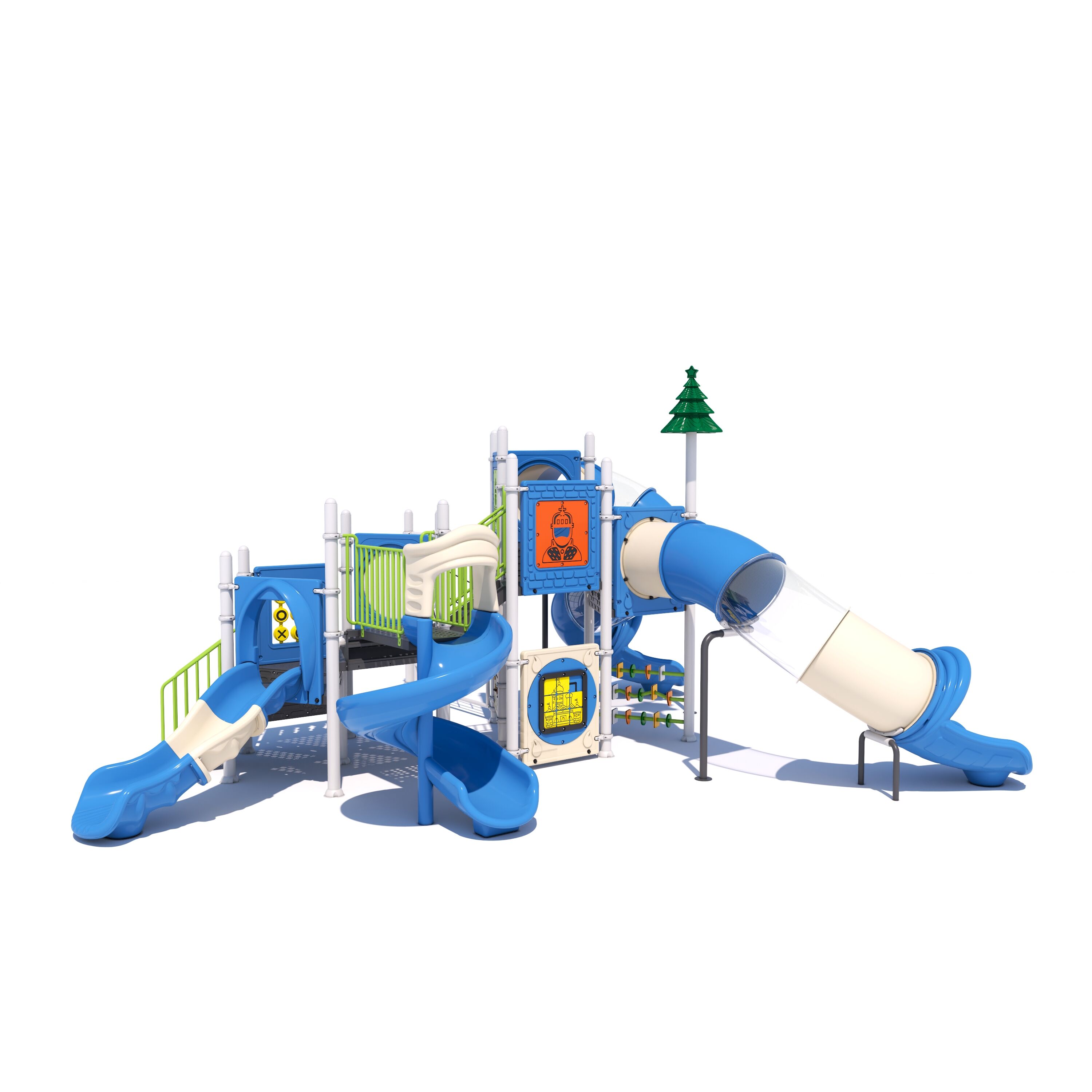
The design of an outdoor playground is far more than an aesthetic decision. Every structural choice, material selection, spatial layout, and equipment configuration directly shapes how safe children are while they play and how deeply they engage with the environment around them. In public spaces such as parks, schools, and community recreation areas, thoughtful design is the foundation of a play experience that is both enriching and secure.
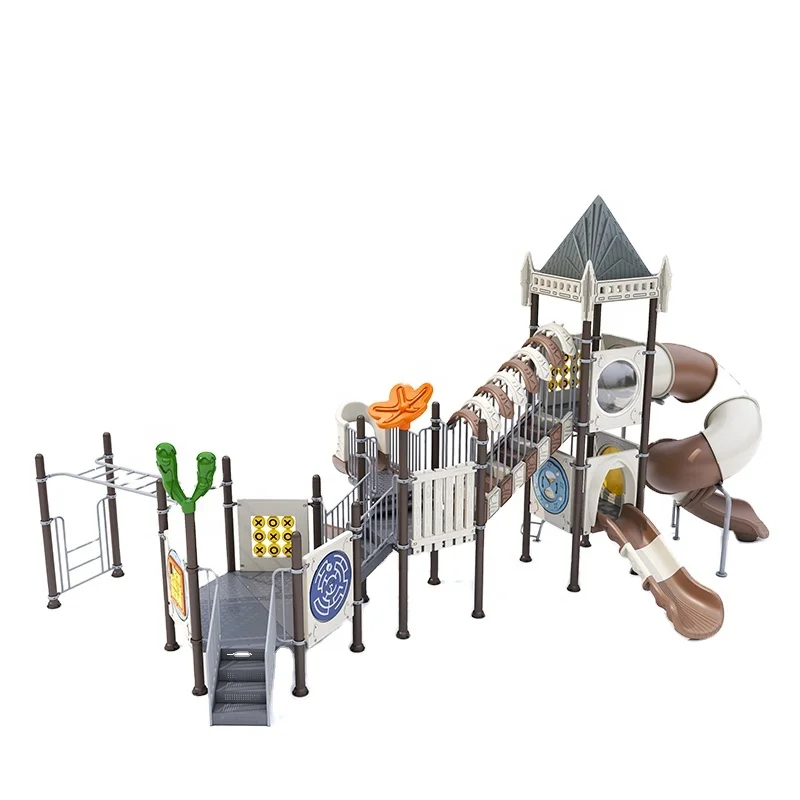
Understanding how outdoor playground design influences child safety and engagement requires looking at the relationship between physical structure, developmental psychology, and real-world usage patterns. When planners, educators, and facility managers grasp these connections, they are better equipped to invest in spaces that genuinely serve children rather than simply fulfilling a checkbox requirement. This article explores the key design mechanisms that drive both safety outcomes and meaningful play engagement in public outdoor playground environments.
The Role of Spatial Layout in Shaping Safe Play Zones
Zoning by Age and Developmental Stage
One of the most impactful layout decisions in any outdoor playground is how the space is divided according to the age and developmental stage of its intended users. Toddlers, school-age children, and older youth have fundamentally different physical capabilities, risk tolerances, and play behaviors. When these groups share undifferentiated space, the risk of collision, misuse of equipment, and accidental injury increases significantly.
A well-designed outdoor playground separates zones clearly, using low fencing, planting buffers, or surface transitions to guide children toward age-appropriate equipment. This zoning approach reduces the likelihood of a five-year-old attempting equipment scaled for ten-year-olds, and it also ensures that younger children are not overwhelmed or endangered by the more vigorous play of older groups. The result is a safer environment where each child can engage at a level that matches their physical and cognitive readiness.
Zoning also supports caregiver supervision. When an outdoor playground is logically organized, adults can monitor multiple age groups from a central vantage point without needing to physically follow each child. This passive supervision model is a recognized safety principle in playground planning and contributes to both child independence and adult confidence.
Sightlines, Circulation, and Conflict Reduction
Beyond age zoning, the internal circulation of an outdoor playground determines how children move between equipment, how traffic flows during peak usage, and where bottlenecks or blind spots might create hazards. Poor circulation design leads to children running through active swing paths, crowding at slide exits, or colliding at the base of climbing structures.
Designers address this by ensuring that high-traffic equipment such as slides and swings have clear exit zones with adequate buffer space. Entry and exit points for climbing structures should be positioned so that children descending do not block those ascending. These spatial decisions reduce the frequency of physical conflicts and accidental impacts, which are among the most common causes of injury in outdoor playground settings.
Clear sightlines throughout the outdoor playground also support engagement. When children can see other play areas from where they are, curiosity is naturally stimulated. They observe peers using different equipment, become motivated to explore, and transition more fluidly between activities. This visual connectivity is a subtle but powerful driver of sustained engagement during a play session.
Equipment Design and Its Direct Impact on Child Safety
Structural Integrity and Material Standards
The physical construction of outdoor playground equipment is the most direct determinant of safety. Materials must withstand not only the mechanical stress of active play but also prolonged exposure to weather, UV radiation, temperature fluctuation, and the cumulative wear of high-frequency public use. Equipment that degrades prematurely creates sharp edges, unstable footing, and structural failure risks that directly endanger children.
Galvanized steel pipes, high-density polyethylene panels, and powder-coated metal components are commonly used in quality outdoor playground construction because they offer durability without sacrificing the smooth, rounded profiles that reduce injury risk. The absence of protruding bolts, sharp corners, and entrapment gaps is not incidental — it reflects deliberate engineering choices that translate directly into safer play experiences.
Compliance with recognized safety standards such as ASTM F1487 or EN 1176 provides a structured framework for evaluating whether outdoor playground equipment meets minimum safety thresholds. These standards address fall height limits, entrapment dimensions, protrusion hazards, and surface impact requirements. Facilities that specify equipment meeting these standards are making a documented commitment to child safety that goes beyond visual appeal.
Height, Challenge, and the Balance Between Risk and Safety
A common misconception in outdoor playground design is that maximum safety means eliminating all challenge. Research in child development consistently shows that age-appropriate risk is essential for building physical confidence, spatial awareness, and resilience. An outdoor playground that is too safe — with no climbing height, no balance challenges, and no opportunities for mild physical risk — fails to engage children meaningfully and may actually discourage active play.
The design goal is not to eliminate risk but to manage it intelligently. This means providing climbing structures with appropriate height for the target age group, ensuring that fall zones beneath elevated equipment are surfaced with impact-absorbing materials such as rubber mulch, engineered wood fiber, or poured-in-place rubber. It means designing handrails and footholds that challenge children without exceeding their developmental capabilities.
When an outdoor playground achieves this balance, children are more likely to engage deeply, return repeatedly, and develop genuine physical skills. The design communicates to children that the space was built for them — that it respects their need for challenge while protecting them from serious harm. This is the intersection where safety and engagement reinforce each other rather than compete.
Surfacing, Accessibility, and Inclusive Design Principles
Impact-Absorbing Surfaces as a Safety Foundation
The surface beneath and around outdoor playground equipment is one of the most critical safety variables in the entire design. Falls are the leading cause of injury in playground environments, and the severity of those injuries is directly influenced by the surface material's ability to absorb impact energy. Concrete, asphalt, and compacted soil are entirely inappropriate beneath elevated equipment because they offer no meaningful cushioning.
Approved surfacing materials for outdoor playground use include loose-fill options such as engineered wood fiber and rubber mulch, as well as unitary surfaces such as poured-in-place rubber and rubber tiles. Each material has different maintenance requirements, accessibility profiles, and cost implications. The choice of surfacing should be made in relation to the equipment's critical fall height — the maximum height from which a child could fall — and the surface's tested impact attenuation value at that depth.
Maintaining surfacing depth over time is equally important. Loose-fill materials migrate and compact with use, reducing their protective effectiveness. An outdoor playground that was properly surfaced at installation may become hazardous within months if surfacing is not regularly inspected and replenished. This maintenance dimension is often underestimated in initial planning but is essential to sustained safety performance.
Inclusive Design and Universal Accessibility
An outdoor playground that excludes children with physical disabilities or sensory differences is not only ethically limited — it is also a missed opportunity for richer, more diverse play engagement. Inclusive design principles call for at least a portion of the outdoor playground to be accessible to children using wheelchairs or mobility aids, with firm and stable surfacing, ramp-based access to elevated platforms, and equipment that can be used from a seated position.
Sensory play elements such as musical panels, textured surfaces, and water features extend the outdoor playground's appeal to children with sensory processing differences and enrich the experience for all users. These elements also encourage cooperative play between children of different abilities, which has documented social and developmental benefits.
When an outdoor playground is designed with inclusion in mind, it becomes a more engaging space for every child. Families with children of mixed abilities can visit together without one child being sidelined. This social dimension of inclusive design directly supports the community function of public outdoor playground spaces and increases overall utilization rates.
Environmental Context and Its Influence on Engagement
Natural Elements and Sensory Richness
The surrounding environment of an outdoor playground has a profound effect on how children engage with the space. A playground set within a sterile, paved environment with no shade, no natural elements, and no sensory variety tends to produce shorter, less imaginative play sessions. Children are drawn to complexity, and natural elements introduce the kind of open-ended, unpredictable stimulation that sustains engagement over time.
Incorporating trees, shrubs, sand, water features, and varied terrain into or adjacent to an outdoor playground creates a richer sensory environment. Shade from trees reduces heat stress and makes the outdoor playground usable during warmer months, directly extending the window of safe engagement. Natural ground variation — gentle slopes, mounds, and depressions — adds physical challenge and imaginative possibility that manufactured equipment alone cannot replicate.
Nature-integrated outdoor playground design also supports longer attention spans and more creative play narratives. Children who play in environments with natural elements demonstrate higher levels of imaginative play, social cooperation, and physical activity compared to those in purely manufactured environments. This evidence supports the integration of natural context as a core design strategy rather than an optional aesthetic addition.
Shade, Seating, and Caregiver Comfort
Engagement in an outdoor playground is not limited to the children using the equipment. Caregivers, parents, and teachers play a critical role in enabling and sustaining play sessions. When the outdoor playground environment is uncomfortable for adults — lacking shade, seating, or clear sightlines — caregivers are more likely to cut visits short, reducing the total time children spend in active play.
Thoughtful placement of benches, shade structures, and drinking fountains within the outdoor playground layout signals that the space was designed for the whole community, not just the children. Comfortable caregivers are more relaxed supervisors, which in turn allows children greater freedom to explore and take age-appropriate risks. This dynamic between caregiver comfort and child engagement is a frequently overlooked dimension of outdoor playground design.
Lighting is another environmental factor that extends the usable hours of an outdoor playground and contributes to perceived safety. Well-lit spaces deter misuse during evening hours and allow supervised play to continue after school in shorter daylight seasons. The investment in appropriate lighting is modest relative to its impact on both safety perception and actual utilization.
Maintenance, Inspection, and Long-Term Safety Management
Routine Inspection as a Safety System
Even the most carefully designed outdoor playground will develop safety hazards over time without a structured inspection and maintenance program. Hardware loosens under repeated dynamic loading. Surfaces compact and migrate. Timber components rot. Plastic components crack under UV exposure. Each of these degradation pathways creates injury risk that was not present at installation.
A responsible outdoor playground management program includes routine visual inspections — ideally daily or weekly for high-use facilities — as well as periodic operational inspections that test the structural integrity of equipment under simulated use conditions. Annual comprehensive inspections by a certified playground safety inspector provide a documented baseline and identify issues that routine checks may miss.
Inspection records serve both a safety function and a liability management function. Facilities that can demonstrate a consistent inspection history are better positioned to respond to incident claims and to identify patterns of wear that inform future design improvements. The outdoor playground inspection program is, in this sense, a continuous feedback loop that connects design intent with real-world performance.
Community Reporting and User Feedback
Formal inspection programs are most effective when supplemented by accessible community reporting mechanisms. Parents, caregivers, and older children who use an outdoor playground regularly are often the first to notice emerging hazards — a loose bolt, a cracked panel, a missing surface section. Providing a simple, visible reporting channel such as a posted QR code or facility contact number enables this informal safety network to function effectively.
User feedback also provides valuable engagement data. When caregivers and children report which elements of an outdoor playground they use most, which they avoid, and what they wish were different, facility managers gain insight that formal usage studies rarely capture. This feedback can inform renovation priorities, equipment additions, and layout adjustments that keep the outdoor playground relevant and engaging as the community's needs evolve.
Treating the outdoor playground as a living asset rather than a static installation is the mindset that sustains both safety and engagement over the long term. Communities that invest in ongoing management, responsive maintenance, and periodic design updates consistently report higher utilization rates and fewer serious incidents than those that treat installation as the end of the process.
FAQ
What design features most directly reduce injury risk in an outdoor playground?
The features with the greatest direct impact on injury reduction are impact-absorbing surfacing beneath elevated equipment, elimination of entrapment hazards in equipment geometry, adequate fall zones around swings and slides, and age-appropriate equipment sizing. Structural material quality — particularly the use of galvanized or powder-coated metals and UV-stable plastics — also reduces the risk of degradation-related hazards over time. Together, these elements form the core safety architecture of any well-designed outdoor playground.
How does outdoor playground design affect how long children stay engaged during a visit?
Engagement duration is strongly influenced by the variety and complexity of the outdoor playground environment. Spaces that offer multiple activity types — climbing, sliding, balancing, sensory play, and open-ended exploration — sustain interest longer than single-activity installations. Natural elements, varied terrain, and social play opportunities also extend engagement. When children can move fluidly between challenges and discover new possibilities within the same outdoor playground, they are less likely to disengage quickly.
Is inclusive design in an outdoor playground only relevant for children with disabilities?
No. Inclusive outdoor playground design benefits all children and families. Accessible surfacing, ramp-based access, and sensory elements improve the experience for children with and without disabilities. Families with mixed-ability children can participate together rather than being separated by equipment limitations. Inclusive design also tends to produce more varied and interesting play environments overall, which increases engagement across the entire user population.
How often should an outdoor playground be inspected to maintain safety standards?
The recommended inspection frequency depends on usage intensity and the type of inspection. High-use public outdoor playground facilities benefit from visual checks at least weekly to identify obvious hazards such as broken components, vandalism, or surface displacement. Operational inspections that test equipment function and hardware tightness should occur monthly or quarterly. A comprehensive annual inspection by a certified playground safety inspector is considered best practice and provides the most thorough safety documentation for the facility.
Table of Contents
- The Role of Spatial Layout in Shaping Safe Play Zones
- Equipment Design and Its Direct Impact on Child Safety
- Surfacing, Accessibility, and Inclusive Design Principles
- Environmental Context and Its Influence on Engagement
- Maintenance, Inspection, and Long-Term Safety Management
-
FAQ
- What design features most directly reduce injury risk in an outdoor playground?
- How does outdoor playground design affect how long children stay engaged during a visit?
- Is inclusive design in an outdoor playground only relevant for children with disabilities?
- How often should an outdoor playground be inspected to maintain safety standards?