
 EN
EN



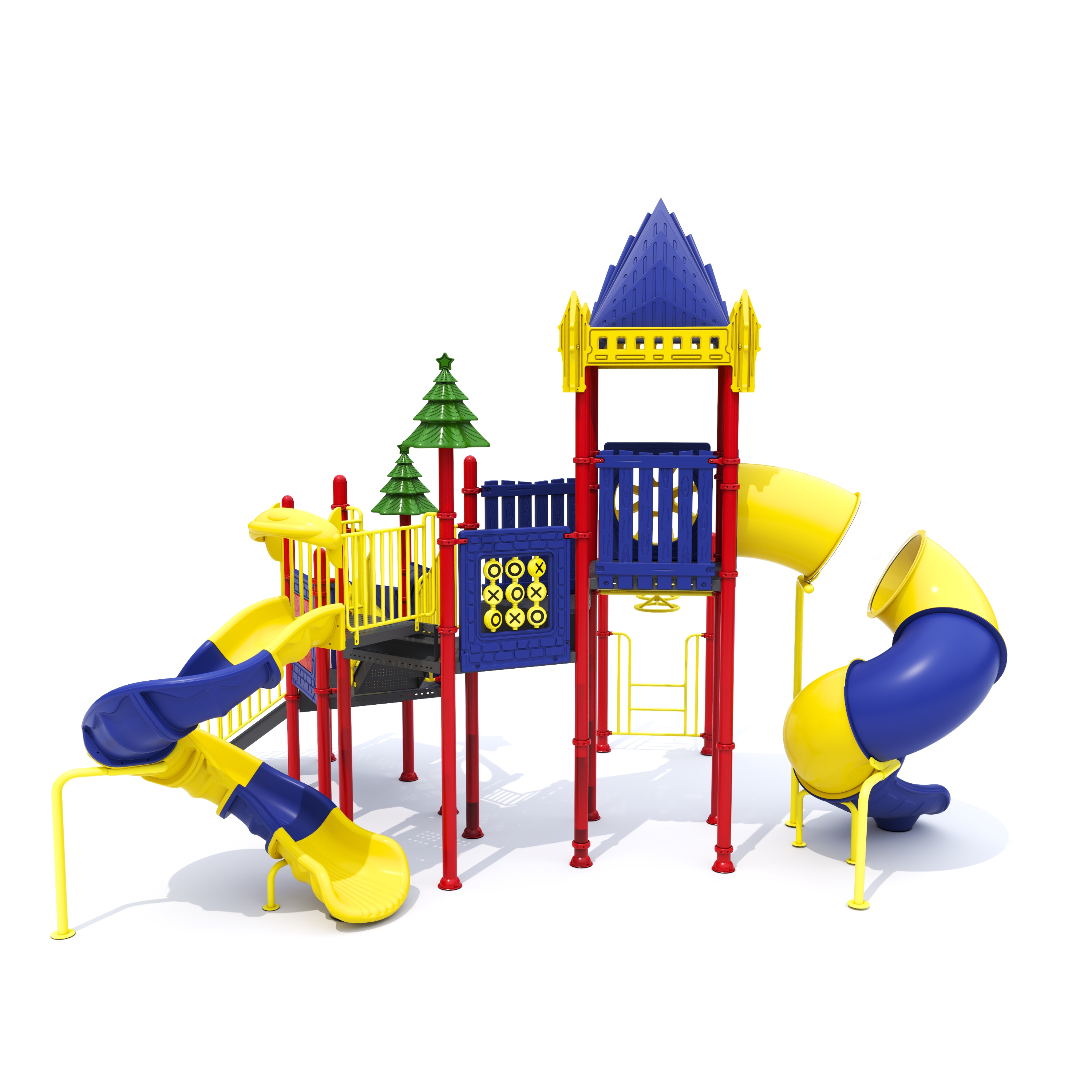
Creating a safe and durable custom playground requires careful planning and understanding of multiple design factors that protect users while ensuring equipment longevity. A custom playground is more than an aesthetic addition to a facility; it represents a significant investment that demands rigorous attention to structural integrity, material selection, and regulatory compliance. Whether designing for schools, parks, recreational centers, or private installations, understanding the essential design considerations ensures that your custom playground delivers both immediate user enjoyment and long-term value without compromising safety standards.
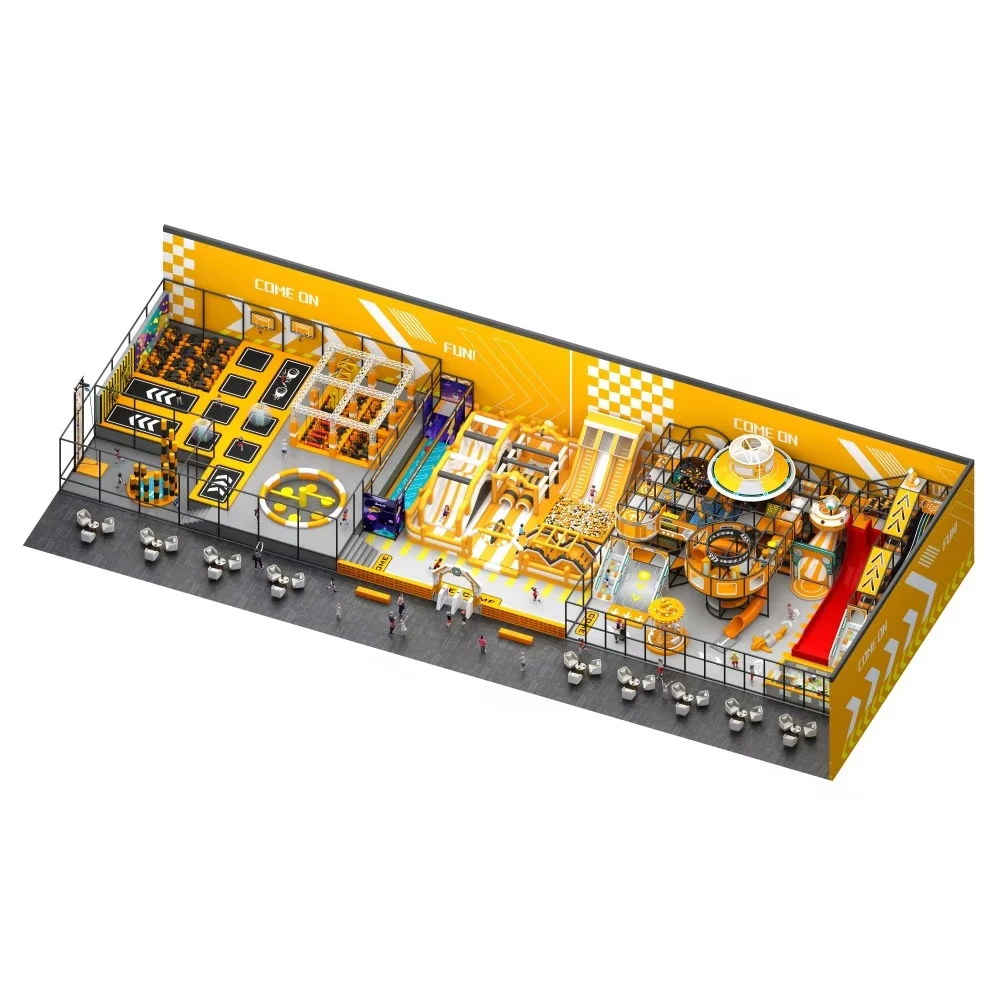
The foundation of any successful custom playground begins with understanding that safety and durability are interconnected objectives, not separate considerations. Poorly designed structures deteriorate quickly, creating hazards over time, while materials selected only for cost efficiency fail to withstand weather exposure and repeated use. A truly effective custom playground balances these requirements through informed material choices, structural engineering, and ongoing maintenance planning. This guide explores the critical design considerations that define a safe, durable custom playground solution.
Material Selection for Long-Term Performance
Corrosion-Resistant Structural Materials
The choice of structural materials directly impacts both durability and maintenance requirements for your custom playground. Galvanized steel, stainless steel, and powder-coated aluminum represent industry-standard choices for outdoor custom playground equipment because they resist rust and corrosion in varying climate conditions. Galvanized steel offers excellent strength-to-cost ratio, while stainless steel provides superior corrosion resistance in coastal or heavily polluted environments. Aluminum, though lighter and naturally corrosion-resistant, requires adequate thickness to prevent bending under sustained loads typical of active play. When designing your custom playground, material selection must account for regional climate exposure, expected user weight ranges, and projected maintenance capacity.
Protective Surface Treatments and Finishes
Surface treatments form the first line of defense for custom playground materials against environmental degradation. Hot-dip galvanizing creates a thick zinc layer that self-heals minor scratches through galvanic action, extending the protective lifespan of a custom playground structure significantly. Powder coating adds an additional layer of UV protection and aesthetic customization while enhancing rust resistance. For a custom playground in high-use indoor facilities, sealed or polished finishes prevent staining and improve hygiene. Combining multiple protective treatments creates a comprehensive defense system that keeps your custom playground equipment safe and visually maintained for decades.
Structural Integrity and Engineering Requirements
Load Capacity and Stress Analysis
Every custom playground must be engineered with precise load calculations that exceed expected use conditions. A custom playground design process includes finite element analysis to identify stress concentration points, potential failure modes, and deflection under peak loads. Load ratings for a custom playground typically incorporate safety factors of 2.5 to 4.0, meaning the structure must support several times the anticipated maximum load. This redundancy protects against material degradation over time and unexpected shock loads from aggressive play or weather events. Inadequate stress analysis creates hidden vulnerabilities in your custom playground that may not manifest immediately but will accelerate deterioration and increase accident risk.
Connection Design and Fastener Standards
Connections represent critical failure points in any custom playground, and their design directly influences both safety and longevity. A properly designed custom playground uses fasteners specified for marine-grade or stainless steel applications, preventing corrosion and loosening over time. Bolted connections must incorporate lock washers, nylon-insert lock nuts, or mechanical locking devices to maintain tension despite vibration and cyclical loading. Welded connections in a custom playground require full penetration welds with certified welders, followed by post-weld heat treatment where applicable. Pin-jointed connections in a custom playground must allow controlled movement while preventing accidental disassembly. Superior connection design extends the service life of your custom playground by five to ten years compared to standard construction practices.
Safety Compliance and User Protection
Impact Attenuation and Fall Surfaces
Fall safety forms the cornerstone of effective custom playground design, requiring engineered surfacing materials beneath and around climbing structures. A custom playground should utilize ASTM F1292-tested surfacing such as engineered wood fiber, rubber mulch, or poured-in-place elastomer to decelerate falls and reduce head injury risk. The depth and density of fall-surfacing materials must be calculated based on the maximum fall height in your custom playground and the expected energy impact. Regular maintenance of these surfaces is essential because material compression and displacement reduce effectiveness over time. Indoor custom playground installations benefit from resilient foam or rubber flooring systems that provide permanent, low-maintenance fall protection.
Entrapment Prevention and Age-Appropriate Spacing
A well-designed custom playground eliminates head entrapment hazards by maintaining strict spacing between structural elements. Openings in railings, between posts, and around climbing features in your custom playground must either be smaller than 3.5 inches or larger than 9 inches to prevent heads from becoming wedged. A custom playground designed for mixed age groups requires age-appropriate equipment zones with appropriate equipment heights, climbing angles, and challenge levels for different developmental stages. Protrusions, sharp corners, and pinch points in a custom playground must be identified and eliminated during design review. Adherence to ASTM F1487 spacing standards ensures your custom playground minimizes injury risk and demonstrates due diligence in safety compliance.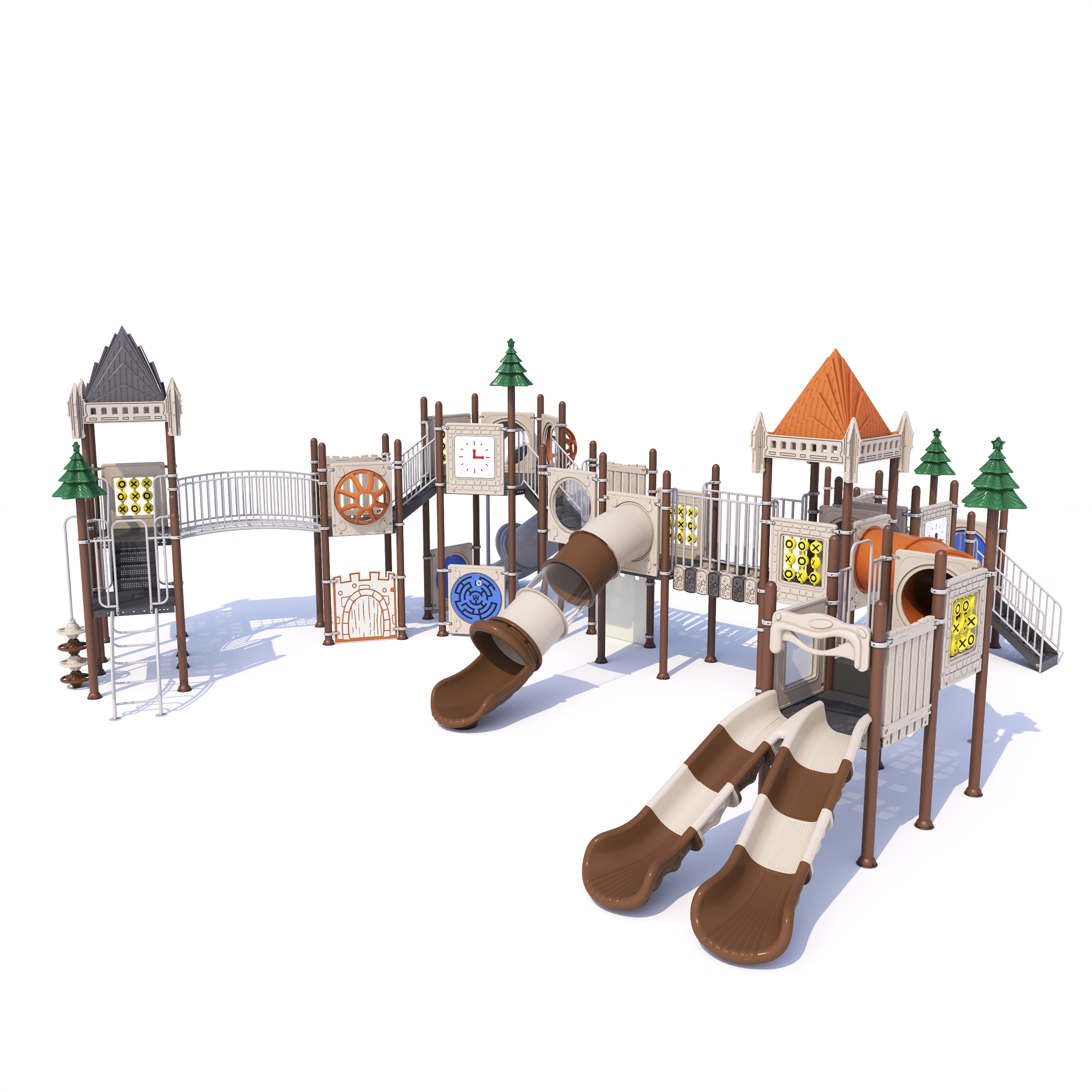
FAQ
What materials provide the best balance of safety and durability in custom playground design?
Galvanized steel, stainless steel, and powder-coated aluminum represent industry-leading choices for custom playground structures. These materials resist corrosion, maintain structural integrity under sustained loads, and withstand environmental exposure without compromising safety. The selection depends on your climate zone, usage intensity, and maintenance capacity. Combining these primary materials with engineered wood fiber or rubber fall surfacing, stainless fasteners, and certified welds creates a comprehensive durability framework that ensures your custom playground remains safe and functional for 15 to 25 years with appropriate maintenance.
How do I ensure my custom playground meets current safety standards and regulations?
Your custom playground design must comply with ASTM F1487 for equipment spacing, ASTM F1292 for fall-surface testing, and local building codes specific to your jurisdiction. Engage a qualified playground safety inspector during the design phase to verify compliance before fabrication begins. Documentation including structural calculations, material certifications, welding certifications, and as-built drawings protects you legally and ensures your custom playground meets all regulatory requirements. Regular third-party inspections after installation and at least annually thereafter identify emerging hazards and verify that your custom playground maintains compliance throughout its operational life.
What maintenance practices extend the lifespan of a custom playground installation?
Preventive maintenance is essential for maximizing your custom playground investment. Quarterly inspections should check for loose fasteners, surface degradation, coating damage, and structural movement. Fall surface materials require regular raking and occasional top-up to maintain impact attenuation properties. Annually inspect fastener tension, verify welded joints remain intact, and assess finish integrity to identify areas needing recoating. Annual professional inspections by certified playground safety auditors identify developing issues before they become safety hazards. Following these practices keeps your custom playground safe, visually maintained, and extends its serviceable lifespan by 50 percent or more compared to neglected installations.