
 EN
EN



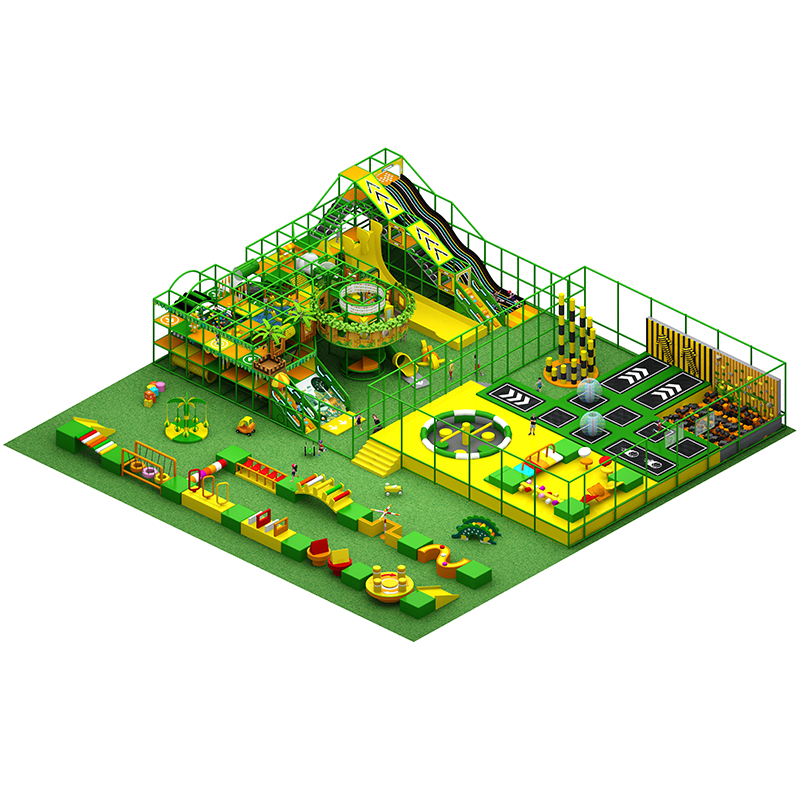
A successful trampoline park depends on far more than simply installing equipment and opening doors to customers. The foundation of any reliable trampoline park rests on the quality of materials used in its construction and ongoing operations. Facility operators who invest in premium-grade materials for their trampoline park installations create environments where both safety and performance thrive, while those who cut corners on material standards face escalating maintenance costs, liability risks, and diminished guest experiences that ultimately undermine business viability.
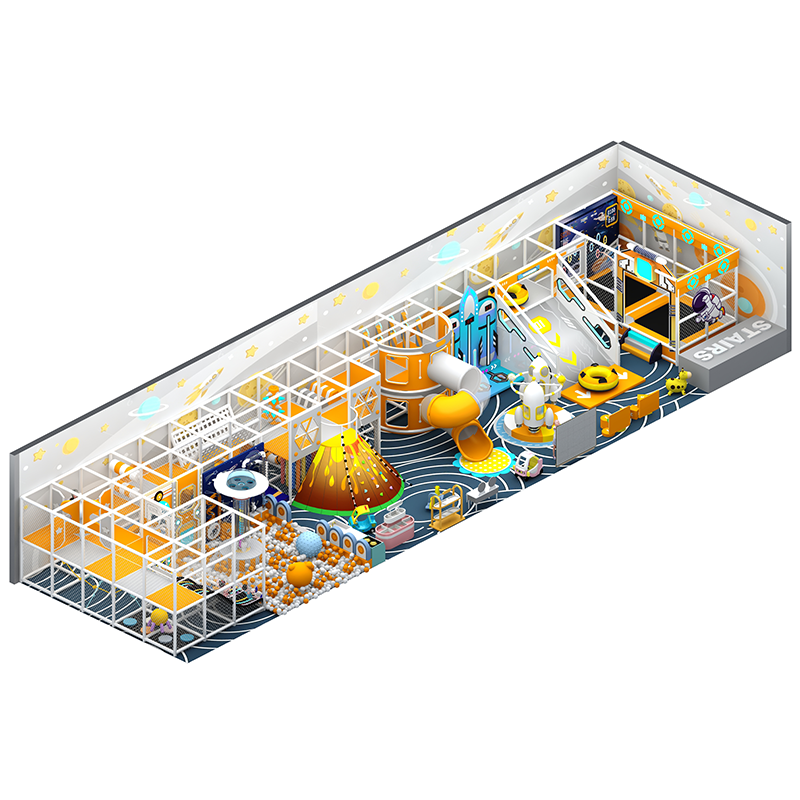
When building or upgrading a trampoline park, material selection directly influences structural integrity, user safety, and long-term operational efficiency. Every component—from the mats and springs to the padding and frames—must meet rigorous durability and safety specifications. A well-designed trampoline park uses materials engineered to withstand thousands of bouncing cycles, repeated exposure to moisture and temperature fluctuations, and the unpredictable stresses created by simultaneous user activity. Understanding why material quality matters so deeply helps facility owners make informed procurement decisions that protect their investment and safeguard their guests.
Structural Integrity and Load-Bearing Performance
Foundation of Safe Trampoline Park Operations
The structural skeleton of any trampoline park must handle extreme, dynamic loads that shift constantly throughout the operating day. Quality materials in a trampoline park frame ensure that springs, support beams, and connection points remain stable even when multiple heavy users bounce simultaneously or land in unexpected ways. Inferior metal alloys or substandard fastening systems degrade rapidly under this repetitive stress, leading to frame misalignment, loose bolts, and potential catastrophic failures that could injure guests and trigger costly litigation for the facility owner.
Spring and Suspension System Reliability
Springs represent a critical component within any trampoline park, and their material composition directly determines how long they maintain consistent bounce response and load capacity. High-quality spring steel retains its elasticity through millions of cycles, whereas cheaper material springs become brittle, lose tension, or snap without warning. A deteriorating spring system in a trampoline park doesn't just ruin the user experience; it creates uneven bounce surfaces that increase injury risk and force premature equipment replacement, turning a short-term cost savings into long-term financial burden.
Safety Compliance and Injury Prevention
Impact Absorption and Cushioning Standards
The padding, mats, and impact-absorbing layers throughout a trampoline park must meet internationally recognized safety standards for compression, resilience, and flame resistance. Premium-quality foam and rubber materials in a trampoline park maintain their shock-absorbing properties even after years of exposure to body oils, sweat, and environmental contaminants, whereas low-grade materials compress, harden, and lose their protective function. When guests encounter inadequate cushioning in a trampoline park, they face heightened risk of sprains, fractures, and spinal injuries that are both personally devastating and financially catastrophic for facility operators facing negligence claims.
Surface Durability and Slip Resistance
Walking surfaces, jump mats, and landing zones in a trampoline park must maintain consistent grip and stability regardless of moisture, footwear variations, or user movement patterns. High-quality material surfaces retain their textured grip and structural shape, preventing the slippery conditions and uneven surfaces that lead to falls and twisted ankles. Inferior materials in a trampoline park become slick when damp, lose their traction over time, and develop soft spots that create unpredictable foot placement conditions, multiplying accident likelihood during peak operation hours when supervision becomes more challenging.
Long-Term Cost Efficiency and Facility Longevity
Maintenance Burden and Replacement Cycles
Investing in high-quality materials for a trampoline park reduces the frequency and intensity of maintenance interventions required to keep the facility operating safely and attractively. Premium materials resist wear, discoloration, and material breakdown, meaning your trampoline park requires fewer repairs, less component replacement, and less downtime for servicing. Conversely, choosing budget-grade materials for a trampoline park virtually guarantees accelerated deterioration requiring costly emergency repairs, frequent parts replacement, and operational disruptions that frustrate guests and damage facility reputation, ultimately increasing the total cost of ownership far beyond the initial savings.
Guest Experience and Competitive Advantage
When guests visit a well-maintained trampoline park with responsive surfaces, consistent bounce quality, and visibly clean, undamaged equipment, they perceive professional operation and enjoy superior recreation value. Quality materials in a trampoline park provide the consistent, predictable performance that keeps guests coming back and encourages positive word-of-mouth marketing. Families avoid facilities where equipment shows visible wear, where bounce quality varies across zones, or where maintenance issues are apparent, so material quality directly influences market position and revenue sustainability for a trampoline park.
FAQ
What specific material standards should a trampoline park meet?
A professional trampoline park should comply with ASTM F381 standards for trampoline safety, which specify minimum requirements for frame construction, spring tension, mat quality, and padding thickness. Additionally, materials should meet flame resistance standards, water resistance specifications, and UV stability requirements appropriate for your facility's climate. Consulting with certified trampoline park equipment inspectors ensures your material selections align with current regulatory expectations and industry best practices for user protection.
How often should a trampoline park replace worn materials?
Replacement frequency depends heavily on material quality, usage intensity, and maintenance protocols. High-quality materials in a trampoline park typically last five to ten years or longer with proper care, whereas budget materials may require replacement within two to four years. Regular inspections by qualified technicians help identify when a trampoline park's materials have degraded to unsafe levels, enabling timely replacement before catastrophic failures occur or user injuries result from equipment compromise.
Can using inferior materials reduce my trampoline park's insurance costs?
No; insurance companies typically charge higher premiums or deny coverage for facilities that cannot demonstrate adherence to safety material standards. If an accident occurs at a trampoline park using substandard materials, insurance claims may be denied entirely based on breach of facility maintenance obligations. Using quality materials actually strengthens your insurance position, provides better claims protection, and demonstrates responsible facility management that justifies more favorable premium rates for your trampoline park.