
 EN
EN



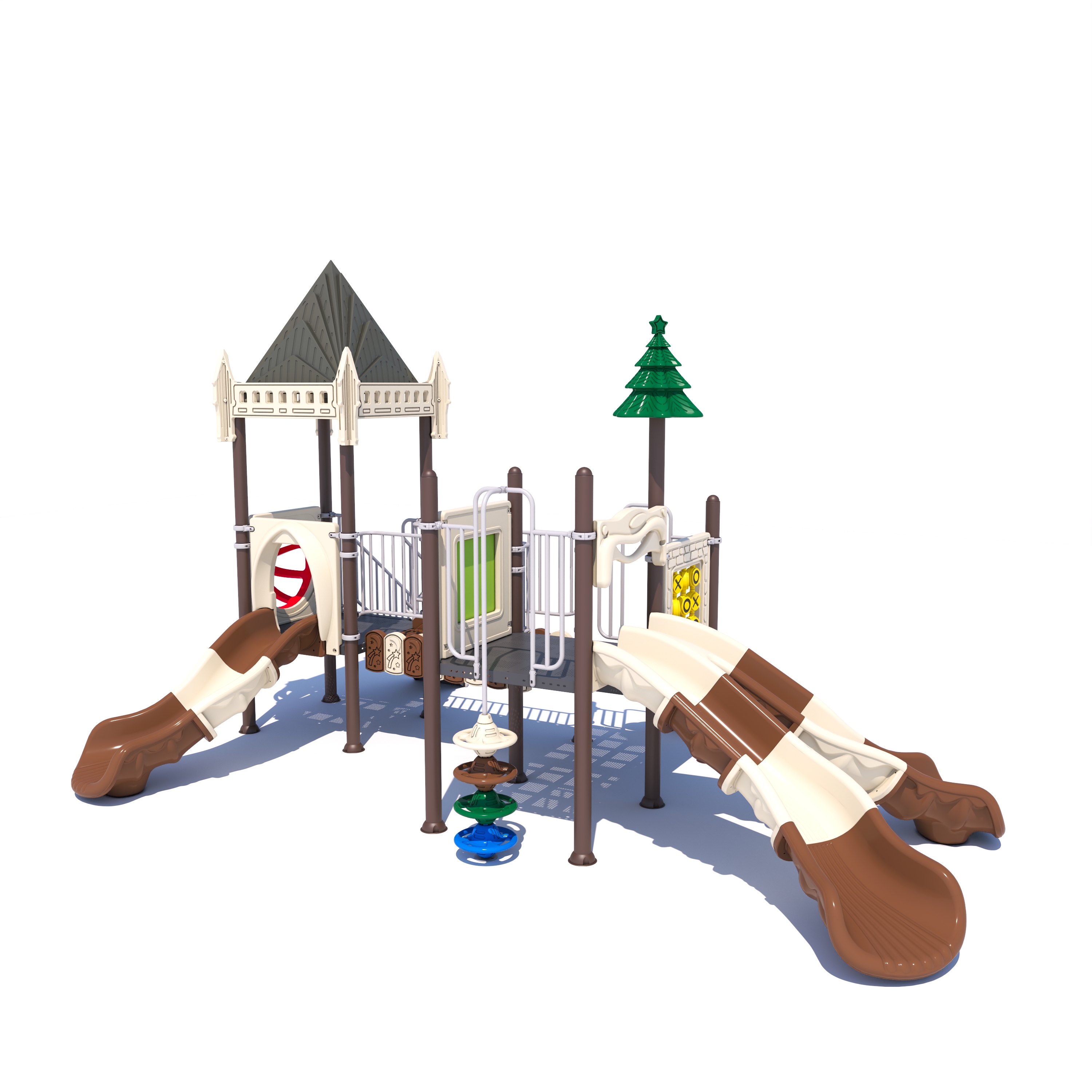
An outdoor slide is one of the most heavily used pieces of play equipment in any garden, school yard, or recreational space. Exposed to sun, rain, wind, and constant physical use, it faces a unique combination of stressors that gradually degrade its materials, structural integrity, and surface quality. Understanding what maintenance considerations genuinely extend the lifespan of an outdoor slide is essential for facility managers, school administrators, and families who want to protect their investment and keep children safe for years to come.
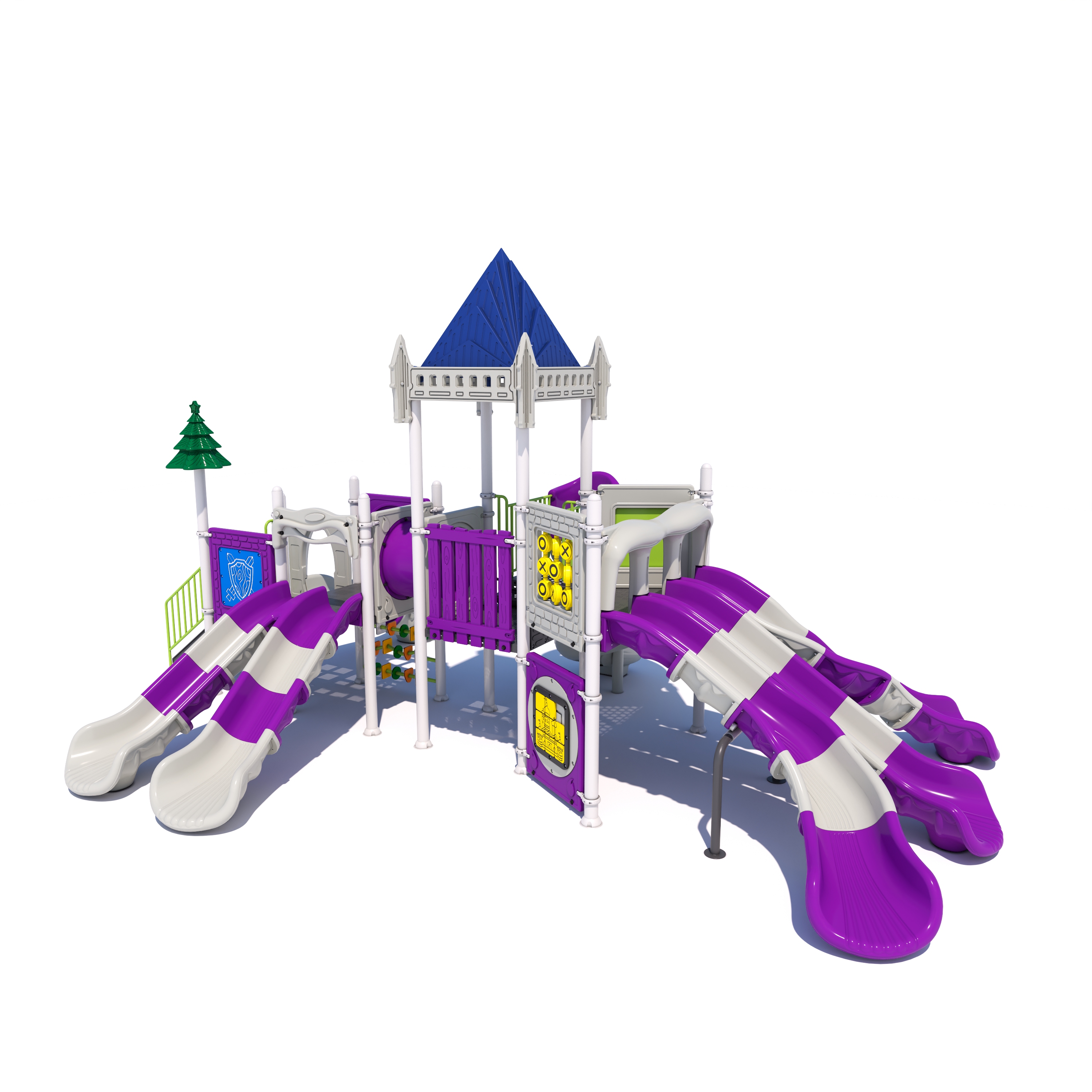
The lifespan of an outdoor slide is not simply a function of material quality at the point of purchase. It is shaped far more by how consistently and correctly the equipment is maintained after installation. Neglecting routine care allows small issues — surface micro-cracks, loose fasteners, pooling water — to escalate into structural failures that shorten service life dramatically. This article outlines the key maintenance considerations that make a measurable difference in how long an outdoor slide remains safe, functional, and visually acceptable in an outdoor environment.
Understanding Environmental Stress on an Outdoor Slide
UV Radiation and Thermal Cycling
One of the most persistent threats to any outdoor slide is prolonged exposure to ultraviolet radiation. UV rays break down polymer chains in plastic materials, causing surface chalking, color fading, and eventually micro-cracking that compromises structural strength. High-density polyethylene and other PE-based materials used in quality outdoor slide construction offer inherent UV resistance, but that resistance diminishes over time without proper care.
Thermal cycling compounds this problem significantly. During summer months, the surface of an outdoor slide can reach temperatures well above ambient air temperature, causing the material to expand. At night or during cooler seasons, it contracts. This repeated expansion and contraction stresses joints, fasteners, and surface coatings. Maintenance routines that address UV degradation and thermal stress early — such as applying UV-protective coatings and inspecting joints seasonally — can add years to the equipment's functional life.
Positioning also matters. Where possible, orienting an outdoor slide to minimize peak afternoon sun exposure reduces the cumulative UV load on the most vulnerable surfaces. This is a low-cost, high-impact consideration that is often overlooked during installation planning but has lasting maintenance implications.
Moisture, Drainage, and Biological Growth
Water is a persistent enemy of any outdoor slide installation. Standing water in joints, on platforms, or around the base accelerates corrosion in metal components, promotes biological growth such as algae and moss, and can freeze in colder climates to create dangerous surface conditions. Ensuring that the outdoor slide is installed on a well-drained surface and that its design allows water to run off freely is a foundational maintenance consideration.
Algae and moss growth on slide surfaces are not merely cosmetic concerns. They create slippery conditions that pose safety risks and, if left untreated, can retain moisture against the surface material, accelerating degradation. Regular cleaning with appropriate, material-safe cleaning agents removes biological growth before it becomes embedded. For plastic surfaces, mild detergent solutions are generally effective without causing surface damage.
In regions with significant rainfall or seasonal flooding, inspecting the base anchoring system of the outdoor slide after major weather events is critical. Soil erosion around anchor points can shift the equipment's alignment, placing uneven stress on the frame and accelerating wear at connection points.
Routine Inspection Protocols That Protect Structural Integrity
Fastener and Joint Inspection
The structural integrity of an outdoor slide depends heavily on the condition of its fasteners, bolts, and connection joints. Vibration from repeated use, combined with thermal expansion and contraction, causes fasteners to loosen over time. A loose bolt that is not caught early can allow micro-movement at joints, which progressively enlarges connection holes and weakens the overall frame. Establishing a scheduled fastener inspection — at minimum at the start and end of each heavy-use season — is one of the most cost-effective maintenance practices available.
During inspection, each fastener should be checked for tightness, corrosion, and thread integrity. Stainless steel or galvanized fasteners are preferable in outdoor environments because they resist rust, but even these should be inspected regularly. Any fastener showing signs of corrosion, stripping, or deformation should be replaced immediately rather than left in service. Using manufacturer-specified replacement hardware ensures compatibility with the original design tolerances of the outdoor slide.
Joints where different materials meet — for example, where a metal support frame connects to a plastic slide chute — deserve particular attention. Differential thermal expansion between materials can create stress concentrations at these points. Applying appropriate sealants or protective washers at these interfaces, as recommended by the equipment manufacturer, reduces wear and extends the service life of the outdoor slide considerably.
Surface Condition Assessment
The slide surface itself requires regular visual and tactile inspection. Inspectors should run a gloved hand along the full length of the slide chute to detect rough patches, cracks, splinters in wood components, or raised edges that could catch clothing or cause abrasion injuries. Any surface defect that poses a safety risk must be addressed before the outdoor slide is returned to use.
For plastic slide surfaces, small surface cracks can sometimes be addressed with compatible repair compounds, but deeper structural cracks typically indicate that the component has reached the end of its serviceable life and should be replaced. Attempting to patch structurally compromised components is not a reliable long-term solution and may create liability exposure in commercial or institutional settings.
Handrails, platforms, and entry points on the outdoor slide structure should be assessed for stability and surface condition simultaneously. These components experience high contact frequency and are often the first areas to show wear. Keeping them in good condition is as important as maintaining the slide chute itself, both for safety and for the overall structural coherence of the equipment.
Cleaning Practices That Preserve Material Quality
Frequency and Method Selection
Cleaning an outdoor slide is not simply about appearance. Accumulated dirt, bird droppings, tree sap, and chemical residues from environmental pollution can chemically interact with surface materials over time, accelerating degradation. Establishing a regular cleaning schedule — typically monthly for residential installations and weekly or bi-weekly for high-traffic commercial or institutional settings — prevents this accumulation from reaching damaging levels.
The cleaning method must be matched to the materials of the outdoor slide. High-pressure washing can be effective for removing stubborn biological growth, but excessive pressure directed at joints or connection points can force water into sealed areas and displace lubricants or sealants. A moderate-pressure rinse combined with manual scrubbing using a soft-bristle brush and mild detergent is generally the safest and most effective approach for plastic and coated metal surfaces.
Avoid using solvent-based cleaners, bleach at high concentrations, or abrasive scrubbing pads on plastic components of an outdoor slide. These can strip UV-protective surface treatments, dull the finish, and introduce micro-scratches that accelerate future degradation. Always consult the manufacturer's care guidelines before introducing any cleaning product to the equipment.
Post-Cleaning Protection and Lubrication
After cleaning, applying a UV-protective plastic conditioner to the slide chute and other exposed plastic surfaces helps restore some of the UV resistance lost through weathering. These products are widely available and are specifically formulated for outdoor plastic equipment. Regular application — typically two to four times per year depending on sun exposure — meaningfully slows the surface degradation process on an outdoor slide.
Metal moving parts, pivot points, and any components with mechanical articulation should be lubricated after cleaning. Use lubricants appropriate for outdoor use and compatible with the materials involved. Silicone-based lubricants are generally safe for use near plastic components and do not attract dirt as aggressively as petroleum-based alternatives. Keeping moving parts properly lubricated reduces wear, prevents squeaking, and maintains the smooth operation that users expect from a well-maintained outdoor slide.
Drainage holes and weep holes in hollow structural components should be checked and cleared during each cleaning session. Blocked drainage points allow water to accumulate inside structural members, creating internal corrosion in metal components and freeze-thaw damage in colder climates. This is a small but important step that is easy to overlook and can have significant consequences for the long-term structural health of the outdoor slide.
Seasonal Maintenance and Long-Term Preservation Strategies
Pre-Season and Post-Season Checks
Seasonal transitions represent the highest-risk periods for an outdoor slide. The shift from winter to spring often reveals damage caused by freeze-thaw cycles, UV exposure accumulated over the previous summer, and biological growth that developed during wet autumn months. A thorough pre-season inspection before the equipment enters its peak use period is one of the most valuable maintenance investments a facility can make.
Pre-season checks should cover the full structural inventory of the outdoor slide: all fasteners, all surface areas, all anchor points, all moving components, and all safety features such as handrails and platform edges. Any issues identified should be resolved before the equipment is opened for use. Documenting inspection findings creates a maintenance history that helps identify recurring problem areas and informs future purchasing or replacement decisions.
Post-season maintenance, particularly before winter in cold climates, should include a thorough cleaning, application of protective coatings, and where appropriate, covering or partially disassembling components that are particularly vulnerable to winter weather. Some operators choose to remove plastic slide chutes for indoor storage during extended periods of non-use, which significantly reduces cumulative UV and weather exposure and extends the component's service life.
Record-Keeping and Replacement Planning
Maintaining detailed records of all inspections, cleaning sessions, repairs, and component replacements is a professional maintenance practice that pays dividends over the life of an outdoor slide. Records allow maintenance teams to track the rate of wear on specific components, anticipate replacement needs before failures occur, and demonstrate due diligence in safety management — an important consideration for schools, parks, and commercial play facilities.
Replacement planning should be proactive rather than reactive. Most manufacturers provide guidance on the expected service life of key components under normal use conditions. Using this guidance alongside actual inspection data allows operators to budget for component replacement in advance, avoiding the disruption and potential safety risk of unexpected failures. An outdoor slide that receives consistent, documented maintenance will typically remain in safe service significantly longer than one that is only addressed when visible problems arise.
When components do reach the end of their service life, using manufacturer-approved replacement parts ensures that the repaired outdoor slide continues to meet its original safety and performance specifications. Substituting non-compatible components may compromise structural integrity or void any remaining warranty coverage, creating risks that outweigh any short-term cost savings.
FAQ
How often should an outdoor slide be inspected for safety?
For residential settings, a thorough inspection at the start and end of each active season is a reasonable minimum, with visual checks before use during peak periods. For commercial, school, or public park installations, formal inspections should occur at least monthly, with daily visual checks by supervising staff. High-traffic environments accelerate wear, so more frequent inspection is always the safer approach for an outdoor slide in those contexts.
What is the best way to protect an outdoor slide from UV damage?
The most effective approach combines material selection, positioning, and ongoing treatment. Quality outdoor slide products use UV-stabilized materials that offer inherent resistance, but this protection diminishes over time. Applying UV-protective plastic conditioners two to four times per year, positioning the equipment to reduce peak afternoon sun exposure where possible, and replacing surface components that show significant UV degradation are the key practical steps for managing UV damage over the long term.
Can an outdoor slide be left outside during winter months?
Most quality outdoor slide products are designed to withstand outdoor conditions year-round, but winter weather does accelerate wear. If the equipment will not be used during winter, covering it with a breathable, UV-resistant cover reduces exposure significantly. In very cold climates, removing and storing plastic slide chutes indoors during extended non-use periods is the most effective way to prevent freeze-thaw damage and extend component life. Metal structural components are generally more tolerant of winter conditions, provided they are properly coated and fasteners are in good condition.
How do I know when an outdoor slide component needs replacement rather than repair?
The key distinction is whether the damage is surface-level or structural. Surface scratches, minor discoloration, and small cosmetic imperfections on an outdoor slide can often be managed with cleaning and protective treatments. However, structural cracks in load-bearing components, significant corrosion on metal frame members, deformed or stripped fastener holes, and any damage that affects the stability or safety of the equipment indicate that replacement is necessary. When in doubt, consulting the manufacturer's technical guidance or a qualified playground safety inspector provides the most reliable basis for that decision.