
 EN
EN


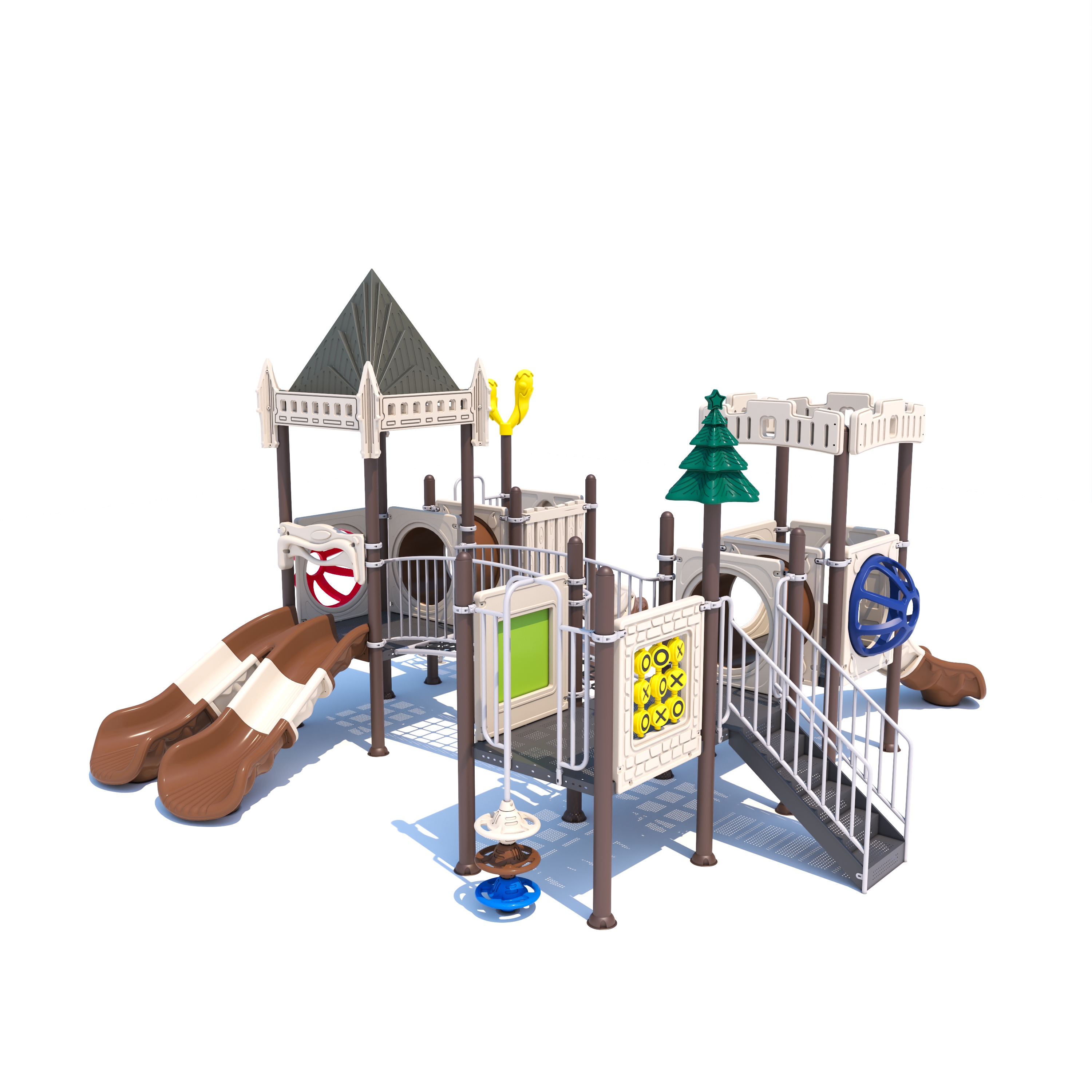
The design of an outdoor slide is far more than an aesthetic decision. In public playground installations, every curve, material choice, and structural detail directly shapes how safe the equipment is and how much children enjoy using it. When procurement teams, park planners, and school administrators evaluate playground equipment, understanding the relationship between design and real-world performance is essential to making sound, long-term investments.
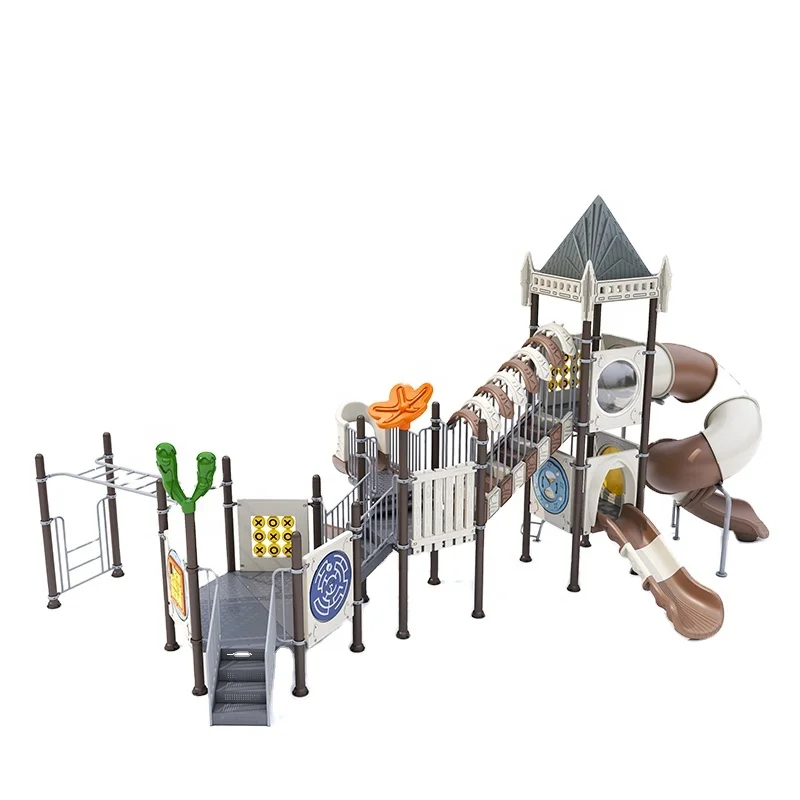
An outdoor slide that is thoughtfully engineered delivers consistent, repeatable safety outcomes while also creating the kind of engaging play experience that keeps children active and returning to the playground. This article examines how specific design elements influence both safety compliance and user experience, giving decision-makers a practical framework for evaluating outdoor slide options for schools, parks, and public recreation spaces.
The Role of Structural Design in Outdoor Slide Safety
Slide Angle and Descent Speed Control
One of the most critical structural variables in any outdoor slide is the angle of descent. A slide that is too steep accelerates children beyond a safe exit speed, increasing the risk of impact injuries at the bottom. Conversely, a slide with too shallow an angle may cause children to stall mid-descent, creating congestion and frustration. Industry safety standards typically recommend descent angles between 30 and 40 degrees for general-use outdoor slide installations serving mixed age groups.
The relationship between angle and speed is also influenced by surface material. A high-gloss plastic chute will generate less friction than a textured or powder-coated metal surface, meaning the same angle can produce very different descent speeds depending on material selection. Designers who account for this interaction produce outdoor slide products that maintain predictable, controlled speeds across varying weather and temperature conditions.
For public installations serving younger children, a gentler angle combined with side rails that extend slightly inward helps contain smaller bodies and reduces the likelihood of lateral falls. These seemingly minor geometric decisions have measurable consequences for injury prevention and overall playground safety records.
Side Wall Height and Containment Geometry
The height and curvature of an outdoor slide's side walls are directly linked to fall prevention. Side walls that are too low allow active or excited children to roll or lean over the edge during descent. Standards such as EN 1176 in Europe and ASTM F1487 in North America specify minimum side wall heights relative to the slide width, and these figures exist because real-world incident data supports them.
Beyond minimum compliance, well-designed outdoor slide products incorporate a gentle inward curve at the top of the side walls. This ergonomic detail naturally guides a child's arms and body toward the center of the chute without requiring conscious effort. The result is a more contained, stable descent that reduces anxiety for first-time users and builds confidence in younger children.
Containment geometry also matters at the entry point. A properly designed outdoor slide entry platform includes a transition zone where the child moves from standing to seated before beginning the descent. This transition area, when designed with appropriate width and a slight forward tilt, reduces the chance of awkward entry positions that could lead to sideways or head-first descents.
Material Selection and Its Impact on Durability and User Comfort
High-Density Polyethylene and UV Resistance
The material used to construct an outdoor slide chute has a direct bearing on both long-term safety and the quality of the play experience. High-density polyethylene, commonly referred to as HDPE, is widely used in commercial outdoor slide manufacturing because it combines structural rigidity with surface smoothness and excellent resistance to ultraviolet degradation. In outdoor environments, UV exposure causes lesser plastics to become brittle and develop surface cracks over time, creating sharp edges that pose injury risks.
HDPE outdoor slide chutes retain their mechanical properties and surface integrity across a wide temperature range, which is particularly important in climates with significant seasonal variation. A slide surface that becomes excessively hot in direct summer sunlight is not only uncomfortable but can cause skin burns on exposed arms and legs. Quality outdoor slide designs address this by specifying materials with lower thermal conductivity or by incorporating color choices that reflect rather than absorb solar radiation.
From a maintenance perspective, HDPE surfaces are easy to clean and resistant to graffiti and biological growth, reducing the operational burden on park and school maintenance teams. This durability translates directly into sustained safety performance over the equipment's service life.
Galvanized Steel Structural Frames
While the chute surface receives most of the visual attention, the structural frame supporting an outdoor slide is equally important to long-term safety. Galvanized steel pipe frames are a preferred choice for public playground installations because the hot-dip galvanization process creates a zinc coating that bonds metallurgically with the steel substrate, providing corrosion resistance that outlasts painted or powder-coated alternatives in exposed outdoor environments.
A well-engineered outdoor slide frame distributes dynamic loads — the weight and movement of children during use — across multiple connection points rather than concentrating stress at a single joint. This load distribution approach reduces metal fatigue over time and maintains structural integrity even under heavy daily use in high-traffic public settings such as school playgrounds and municipal parks.
Frame design also influences installation flexibility. Modular outdoor slide structures that use standardized galvanized pipe diameters can be anchored to a variety of ground surfaces, including concrete footings, rubber safety surfacing, and compacted aggregate, without requiring custom fabrication. This adaptability is a practical advantage for procurement teams managing multiple sites with different ground conditions.
Design Features That Directly Enhance User Experience
Chute Width and Age-Appropriate Sizing
User experience on an outdoor slide begins with physical fit. A chute that is too narrow feels restrictive and can cause children to brace against the sides, slowing descent and reducing enjoyment. A chute that is too wide may cause smaller children to feel unstable and anxious. Matching chute width to the intended age group is a fundamental design decision that shapes the emotional quality of the play experience.
For installations serving a broad age range, some outdoor slide designs incorporate a graduated width that is slightly narrower at the top and widens toward the exit. This geometry provides a sense of containment at the start of the descent, where children are most likely to feel uncertain, while allowing a more open, exhilarating finish. The psychological effect of this progression encourages repeat use and builds physical confidence in developing children.
Wide-body outdoor slide designs intended for older children or multi-user configurations introduce different considerations. When two children descend simultaneously, the structural load increases and the risk of collision at the exit point rises. Responsible design addresses this through exit zone geometry that naturally separates users and through clear visual cues at the entry platform that communicate single-user protocols.
Color, Aesthetics, and Sensory Engagement
The visual design of an outdoor slide contributes meaningfully to user experience, particularly for younger children whose engagement with play equipment is strongly influenced by color and form. Bright, saturated colors signal playfulness and invitation, drawing children toward the equipment and encouraging initial use. Color contrast between the slide chute, the supporting structure, and the surrounding environment also serves a functional safety purpose by making the equipment more visible to supervising adults.
Beyond color, the overall form language of an outdoor slide communicates its intended use. A slide with smooth, flowing curves reads as fast and exciting. A slide with a more enclosed tunnel section introduces an element of mystery and adventure that appeals to children seeking sensory novelty. These design choices are not superficial — they directly influence how frequently the equipment is used and how diverse a range of children it attracts.
Sensory texture on handrails and entry platforms also contributes to user experience. Textured grip surfaces on handrails give children tactile feedback that supports confident climbing, while smooth chute surfaces provide the low-friction descent that makes the outdoor slide experience rewarding. Balancing these contrasting surface requirements within a single coherent design is a mark of quality engineering.
Compliance Standards and Their Practical Design Implications
Understanding EN 1176 and ASTM F1487 Requirements
Public playground installations are subject to formal safety standards that translate directly into specific outdoor slide design requirements. EN 1176, the European standard for playground equipment, and ASTM F1487, the North American equivalent, both address slide-specific parameters including maximum exit height, minimum platform dimensions, handrail requirements, and acceptable surface temperatures. Procurement teams sourcing outdoor slide equipment for public use should verify that products are certified to the applicable standard for their jurisdiction.
These standards are not static documents. They are periodically revised in response to incident data and advances in materials science. An outdoor slide design that was compliant a decade ago may not meet current requirements, particularly regarding fall zone dimensions and entrapment hazard specifications. Specifying equipment that meets the current version of the relevant standard protects both the end users and the procuring organization from liability exposure.
Beyond the letter of the standard, experienced playground designers apply the underlying intent of these requirements — which is to eliminate foreseeable injury mechanisms — to design decisions that the standards do not explicitly address. This approach produces outdoor slide products that exceed minimum compliance and deliver genuinely superior safety performance in real-world use conditions.
Installation Environment and Site-Specific Design Adaptation
The safety and user experience performance of an outdoor slide is also shaped by how well the design adapts to its installation environment. A slide designed for a sheltered school courtyard may not perform equally well in a coastal park exposed to salt air and high winds. Site-specific factors including prevailing wind direction, solar orientation, drainage patterns, and the age profile of the primary user group should all inform outdoor slide selection and configuration decisions.
Ground-level exit zone design is particularly sensitive to site conditions. An outdoor slide installed on a slope requires careful attention to the exit trajectory to ensure that children land on level, impact-absorbing surfacing rather than being directed toward a gradient. Safety surfacing specifications — whether rubber tiles, engineered wood fiber, or poured-in-place rubber — must be matched to the fall height of the specific outdoor slide model being installed.
Modular outdoor slide systems that allow configuration adjustments — such as variable platform heights, interchangeable chute lengths, and optional shade canopy attachments — give procurement teams the flexibility to optimize both safety and user experience for each unique site without requiring fully custom fabrication. This adaptability is a significant practical advantage in large-scale public playground programs managing diverse site portfolios.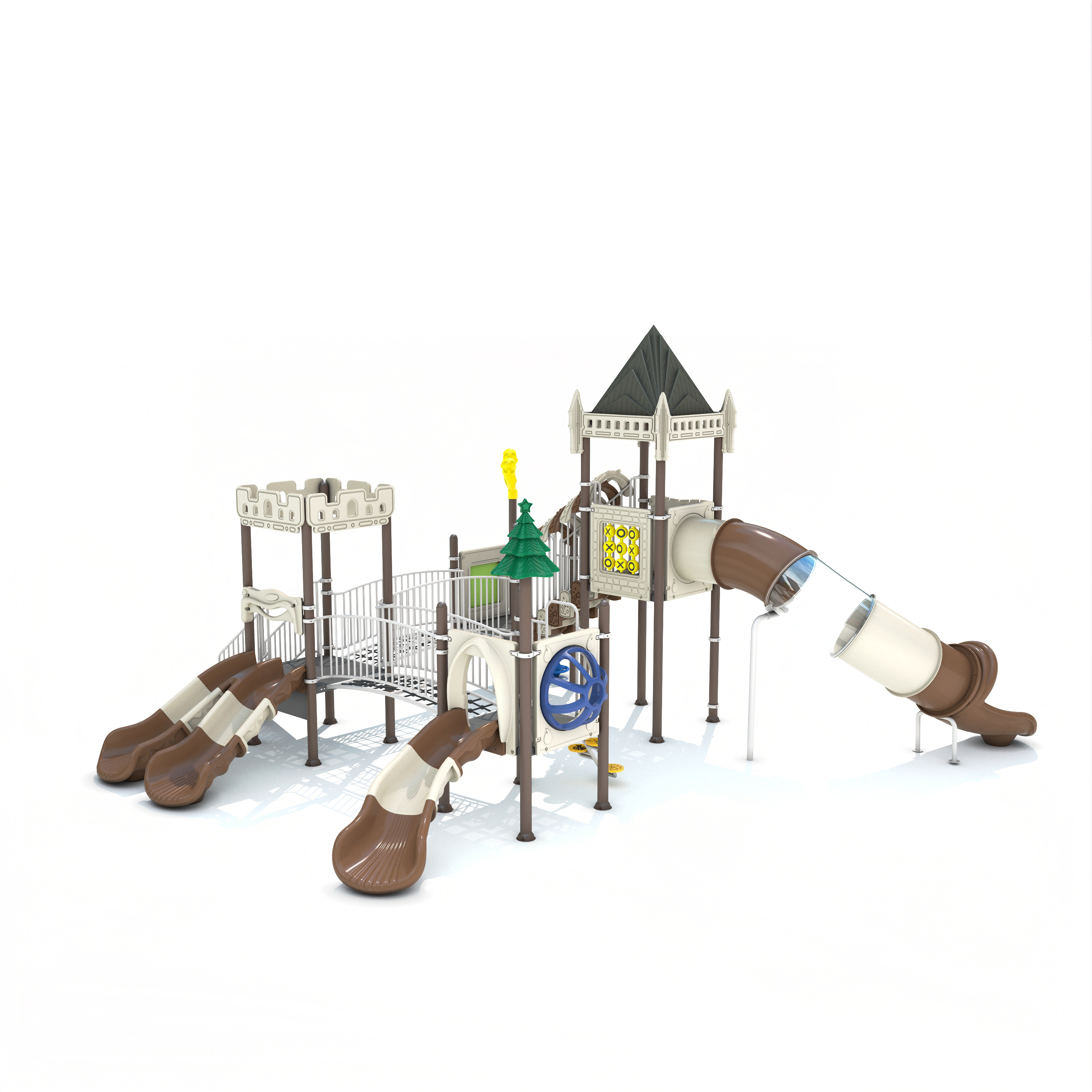
FAQ
What is the safest descent angle for a public outdoor slide?
Most safety standards and design guidelines recommend a descent angle between 30 and 40 degrees for general-use outdoor slide installations. This range balances an engaging descent speed with controlled exit velocity. The optimal angle within this range depends on the chute surface material, the intended age group, and the overall height of the slide structure. Steeper angles may be appropriate for older children on longer slides where the extended chute length naturally moderates speed.
How does material choice affect outdoor slide safety over time?
Material degradation is one of the primary long-term safety risks for any outdoor slide. UV exposure, temperature cycling, and physical wear all affect surface integrity. High-density polyethylene chutes resist UV degradation and maintain smooth, splinter-free surfaces over extended service lives. Galvanized steel frames resist corrosion more effectively than painted alternatives. Specifying materials rated for outdoor use and verifying compliance with relevant standards helps ensure that safety performance is maintained throughout the equipment's intended service life.
How does outdoor slide design influence the experience of younger children specifically?
Younger children are more sensitive to scale, containment, and sensory feedback than older users. An outdoor slide designed for younger age groups typically features lower platform heights, narrower chute widths that provide a sense of security, higher side walls relative to body size, and gentler descent angles. Color and form also play a stronger role in attracting and reassuring younger users. Equipment that is appropriately scaled and visually inviting encourages first-time use and builds the physical confidence that supports broader developmental benefits from active play.
What should procurement teams prioritize when selecting an outdoor slide for a public park?
Public park installations face higher traffic volumes and more diverse user profiles than school playgrounds, which makes durability, compliance certification, and adaptability the top priorities. Procurement teams should verify that the outdoor slide meets the current version of the applicable safety standard, that structural materials are rated for continuous outdoor exposure, and that the design can be configured to suit the specific site conditions. Ease of inspection and maintenance access should also be evaluated, as public park equipment requires regular safety checks to remain compliant and safe throughout its service life.
Table of Contents
- The Role of Structural Design in Outdoor Slide Safety
- Material Selection and Its Impact on Durability and User Comfort
- Design Features That Directly Enhance User Experience
- Compliance Standards and Their Practical Design Implications
-
FAQ
- What is the safest descent angle for a public outdoor slide?
- How does material choice affect outdoor slide safety over time?
- How does outdoor slide design influence the experience of younger children specifically?
- What should procurement teams prioritize when selecting an outdoor slide for a public park?