
 EN
EN



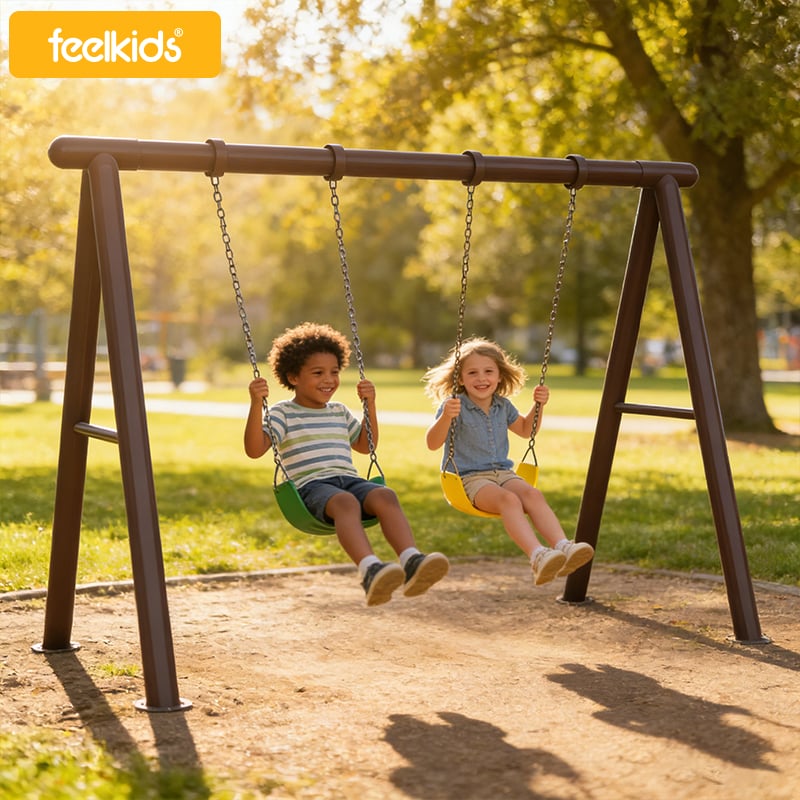
An outdoor swing provides years of recreational enjoyment for families, playgrounds, and community spaces, but its longevity depends heavily on consistent maintenance practices. Without proper care, an outdoor swing deteriorates rapidly due to exposure to weather, UV radiation, moisture, and constant mechanical stress from use. Understanding and implementing effective maintenance strategies transforms an outdoor swing from a short-lived investment into a durable asset that remains safe and functional for decades. This guide explores the most important practices that keep your outdoor swing in optimal condition while preventing costly repairs and premature replacement.
The foundation of outdoor swing longevity rests on understanding the specific environmental challenges your equipment faces. Temperature fluctuations, humidity cycles, freeze-thaw patterns, salt spray in coastal regions, and intense sun exposure all contribute to material degradation. When you recognize these stressors, you can implement targeted outdoor swing maintenance schedules that address seasonal vulnerabilities and prevent failures before they occur. Regular attention to an outdoor swing's structural integrity, fasteners, and protective coatings extends usable lifespan significantly.
Seasonal Inspection and Cleaning for Outdoor Swing Preservation
Spring and Summer Inspection Protocols
As warmer months arrive, your outdoor swing requires detailed inspection to identify damage caused by winter weather. Begin by examining all welds, joints, and connection points where metal components meet, looking for hairline cracks, rust formation, or loose fasteners. Clean the entire outdoor swing structure with mild soap and water, removing accumulated debris, algae, and dirt that trap moisture against metal surfaces. Pay special attention to crevices where water pools, as standing moisture accelerates corrosion. After cleaning, dry the outdoor swing thoroughly and apply protective coating if the manufacturer recommends it for your specific frame material.
Fall and Winter Protection Strategies
Preparing your outdoor swing for harsh seasons prevents freeze-thaw damage, salt corrosion, and moisture penetration. Before winter arrives, remove any accumulated organic matter like leaves and pine needles that can decompose and create acidic compounds damaging protective finishes. Apply weather-resistant sealant or protective wax to exposed wood components if your outdoor swing uses wood for seats or structural support. For metal frames, ensure rust-preventive coatings remain intact, and touch up any scratched or worn areas immediately. Consider using fitted covers specifically designed for outdoor swing equipment during extended periods of freezing temperatures or heavy snow.
Material-Specific Maintenance for Different Outdoor Swing Components
Metal Frame Care and Rust Prevention
Metal outdoor swing frames represent the primary structural investment and require focused rust prevention efforts. Inspect the outdoor swing's metal surfaces monthly, looking for orange oxidation, white corrosion powder, or dark spots indicating rust initiation. For early-stage surface rust on your outdoor swing, use a wire brush or fine-grit sandpaper to remove oxidation, then immediately apply rust-inhibiting primer and protective paint or powder coating. Deep pitting or significant corrosion requires professional repair or component replacement to maintain structural integrity and safety. Choose outdoor swing paint formulations rated for high-durability outdoor use, as standard interior paints fail rapidly under UV and moisture exposure.
Swing Seat and Rope or Chain Maintenance
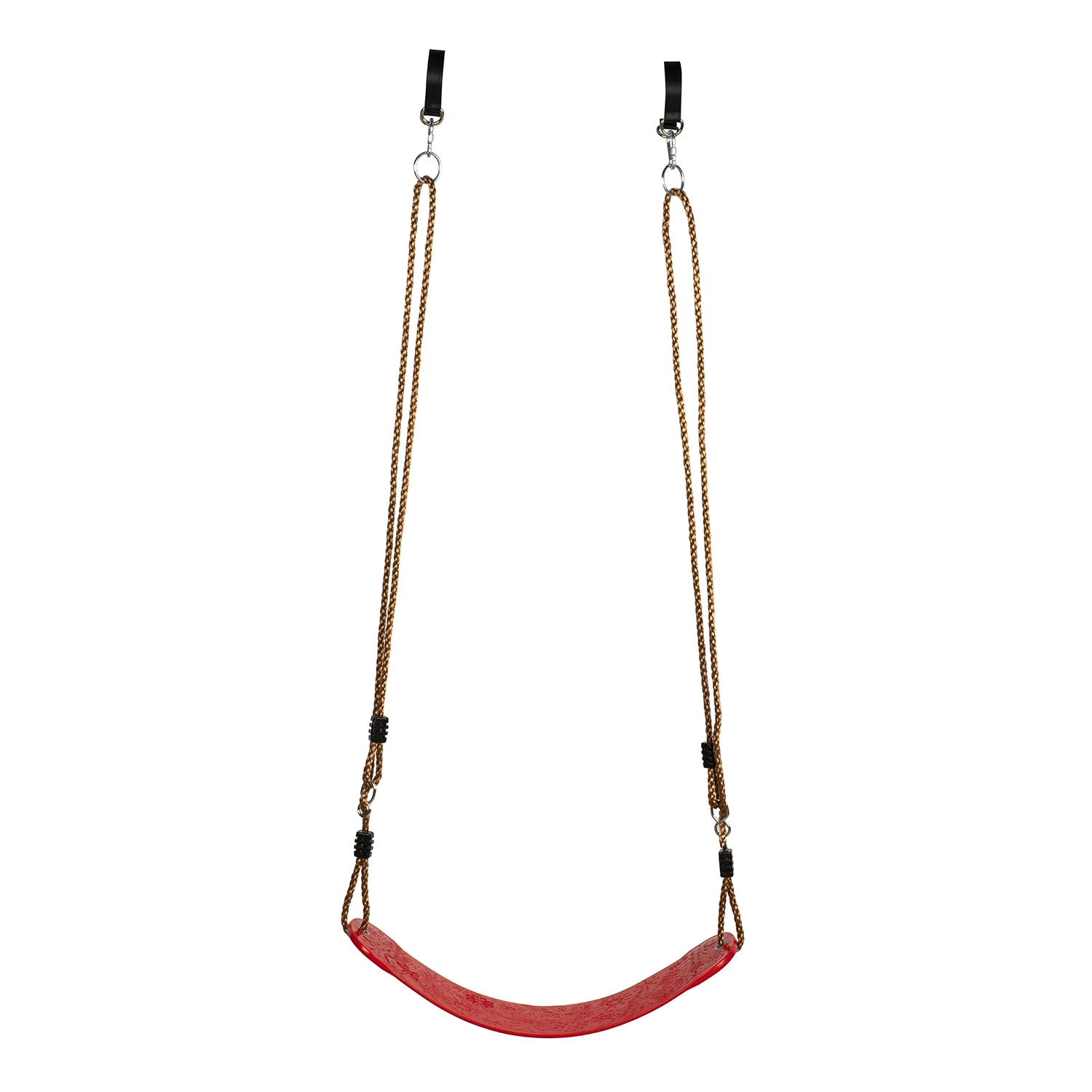
Swing seats endure constant contact with user bodies, weather exposure, and mechanical flexing, making material selection and maintenance critical. If your outdoor swing features wooden seats, inspect them for splintering, rot, or soft spots that indicate water damage and fungal growth. Sand wooden seats annually and apply food-grade sealant or outdoor wood preservative to prevent moisture absorption. For plastic or composite seats on an outdoor swing, check for cracks, UV degradation, and discoloration that signals material brittleness. Ropes and chains supporting an outdoor swing require inspection for fraying, corrosion, or weakening of fastening points where they connect to the frame. Replace any compromised suspension components immediately, as failure during use presents serious safety hazards.
Structural Integrity and Fastener Management for Safe Outdoor Swings
Bolt, Nut, and Fastener Tightening Schedules
Continuous motion and vibration cause fasteners on an outdoor swing to gradually loosen, creating flex points that accelerate fatigue cracking and structural failure. Establish a maintenance calendar that includes fastener inspection at least once per season, or monthly during peak usage periods. Use appropriately-sized wrenches or sockets to tighten all visible bolts, nuts, and screws without over-torquing, which strips threads or cracks connections. For your outdoor swing, apply thread-locking compound to fasteners that repeatedly loosen due to vibration, but use removable-strength formulations rather than permanent compounds that prevent future maintenance. Document tightening activities and dates to identify fasteners requiring more frequent attention or potential design weaknesses.
Foundation and Anchor Point Verification
An outdoor swing's stability depends entirely on proper anchoring to the ground or structural frame. Check foundation bolts and anchor points for settling, movement, or corrosion that compromises load-bearing capacity. The outdoor swing frame itself can be perfect, but a failing foundation creates dangerous tilting, wobbling, or tipping that injures users. Verify ground penetration depth if your outdoor swing uses in-ground posts, as frost heave in cold climates can lift anchors upward. In wet climates, inspect surrounding soil for waterlogging or erosion that undermines support. Concrete foundations supporting an outdoor swing should be inspected for cracks, spalling, or water staining that indicates internal moisture damage.
Protective Coatings and Environmental Weatherproofing
Paint and Sealant Application Best Practices
Quality protective coatings represent your first line of defense against weathering and corrosion on an outdoor swing. Choose paints specifically formulated for outdoor metal or wood applications, with UV protection and flexibility to accommodate thermal expansion and contraction. Apply coatings when temperatures are moderate and humidity is low, following manufacturer specifications for surface preparation, primer application, and topcoat requirements. For an outdoor swing, two-coat systems typically outperform single-coat applications, providing redundancy if one layer becomes compromised. Inspect paint annually for peeling, blistering, or chalking that indicates coating failure, and refresh affected areas promptly before underlying materials deteriorate.
UV Protection and Fade Prevention
Ultraviolet radiation degrades plastic components, fades paint finishes, and weakens polymer materials used in modern outdoor swing designs. Select outdoor swing coatings with UV-inhibitor packages that reflect sunlight and prevent photochemical breakdown of paint binders. For plastic seats or hardware on an outdoor swing, choose materials with carbon-black UV stabilizers or apply transparent protective varnish rated for outdoor use. Position your outdoor swing in partial shade when possible, as shade reduces daily temperature extremes and slows material degradation compared to full sun exposure. Installing a shade structure or fabric canopy above an outdoor swing provides additional UV protection while improving user comfort during hot weather.
FAQ
How often should I inspect my outdoor swing for maintenance needs?
Inspect your outdoor swing monthly during active use seasons and at minimum once per season when less frequently used. Monthly checks allow early detection of emerging problems like loose fasteners, developing rust, or material damage before they become safety hazards. A comprehensive seasonal inspection before winter and spring provides opportunity for preventive maintenance like coating touch-ups and fastener tightening that extends the outdoor swing's operational life. The frequency increases in harsh climates with freeze-thaw cycles, coastal salt spray, or intense UV exposure.
What is the best way to prevent rust on metal outdoor swing frames?
Prevent rust on your outdoor swing by maintaining intact protective coatings, keeping the frame clean and dry, and addressing damaged paint or powder coating immediately. Remove dirt and debris regularly, as organic material traps moisture against metal surfaces and accelerates oxidation. Apply high-quality outdoor metal paint or powder coating during installation, inspect for scratches or wear quarterly, and touch up any exposed bare metal promptly. In coastal regions with salt spray, your outdoor swing benefits from marine-grade epoxy primers and topcoats formulated to resist saltwater corrosion more effectively than standard outdoor paints.
When should I replace components of my outdoor swing rather than repair them?
Replace outdoor swing components when rust creates deep pitting or holes compromising structural integrity, when cracks extend through welds or connection points, when plastic becomes brittle and cracking, or when wood shows extensive rot that cannot be sanded away. Minor surface rust can be treated, but active corrosion progressing deeper into metal material threatens safety. Suspension components like chains or ropes should be replaced immediately upon any sign of fraying, kinking, or corrosion, since failure during use creates injury risk. Consult the manufacturer's guidelines for your outdoor swing model regarding component replacement intervals and approved parts.