
 EN
EN



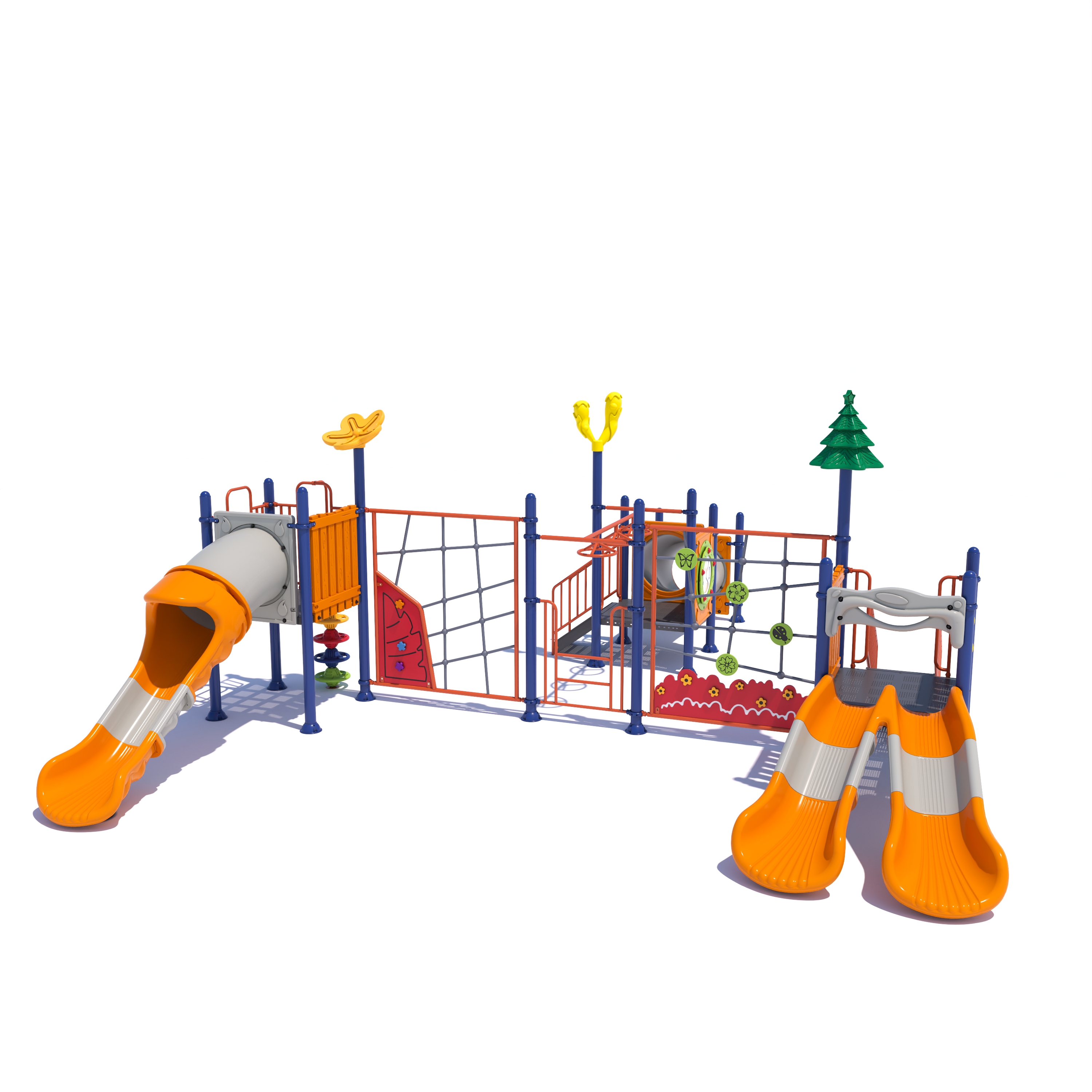
Space efficiency is critical in modern facility planning, particularly when designing environments for children. A custom playground solution addresses this challenge by maximizing usable area while accommodating diverse age groups and activity preferences. Unlike standard, one-size-fits-all installations, a custom playground is engineered to fit your specific site dimensions, user demographics, and operational constraints. This approach transforms underutilized spaces into dynamic, engaging environments that serve both recreational and developmental purposes while maintaining safety compliance and accessibility standards.
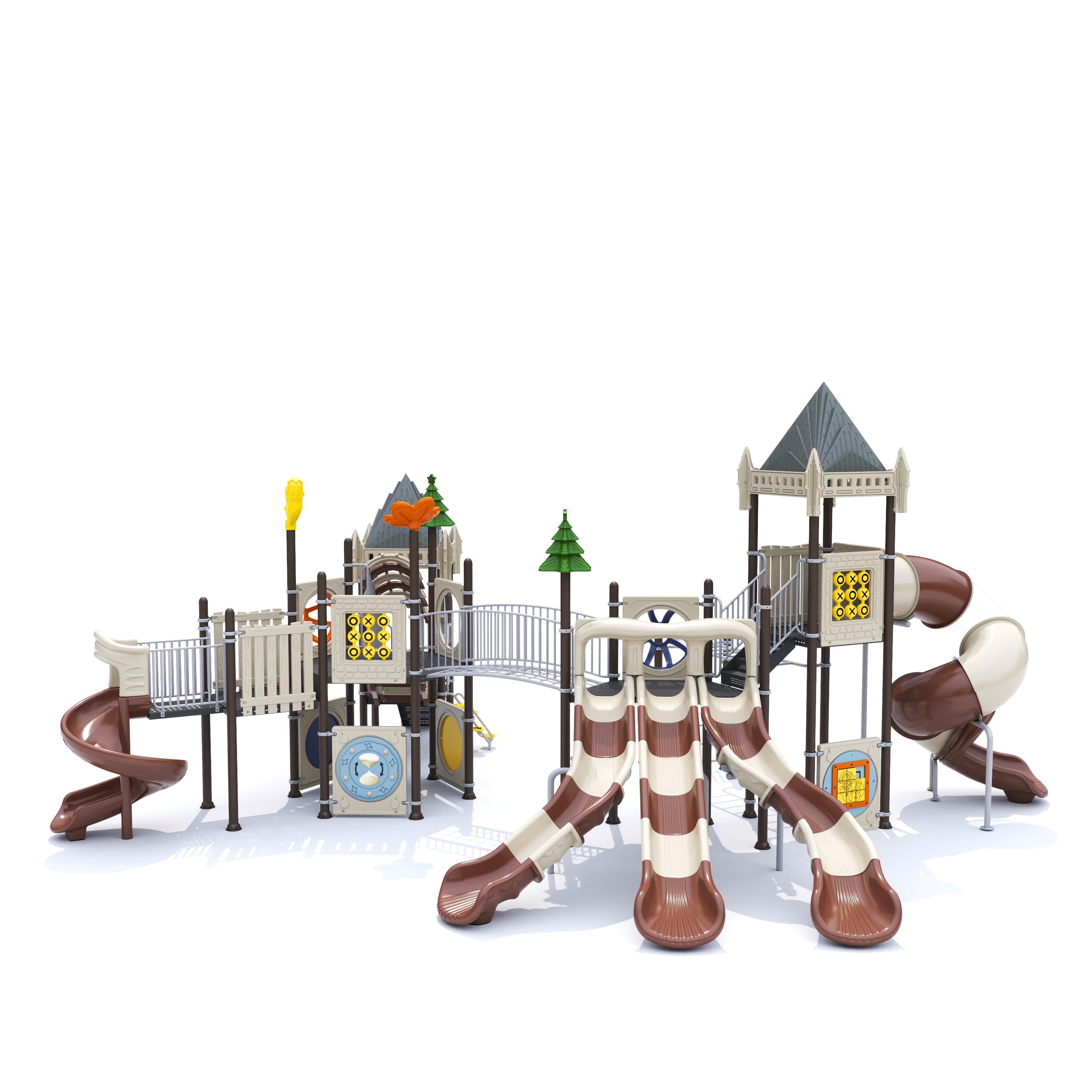
When facility managers invest in a custom playground, they gain a strategic advantage that extends beyond initial space savings. The intentional design process ensures every square meter contributes meaningfully to the user experience, reduces maintenance complexity, and aligns with long-term facility goals. Organizations that prioritize customization report higher user satisfaction, improved safety outcomes, and better return on capital investment compared to generic installations that waste valuable floor space and fail to meet specific community needs.
Strategic Space Planning and Layout Optimization
Maximizing Functional Area Through Tailored Design
A custom playground layout is built around your facility's unique geometry, whether you're working with a compact indoor room, an irregular outdoor plot, or a multi-level structure. Standard prefabricated equipment often leaves awkward gaps and underutilized corners because it assumes average dimensions. By contrast, a custom playground is specifically engineered to eliminate wasted space and create seamless flow between activity zones. Designers analyze traffic patterns, sight lines, safety clearance requirements, and equipment placement to ensure optimal spacing that accommodates peak usage without overcrowding.
The layout process for a custom playground considers traffic flow patterns, zone separation by age group, and equipment adjacency to prevent bottlenecks. When a custom playground is properly designed, users move naturally between climbing structures, sliding areas, and interactive play zones without congestion. This reduces behavioral conflicts, improves supervision efficiency, and increases the overall carrying capacity of your facility. Well-planned custom playground installations often accommodate 15 to 20 percent more concurrent users than equivalent generic solutions occupying the same footprint.
Adapting to Existing Infrastructure and Constraints
Many facilities operate within fixed boundaries—existing walls, support columns, electrical conduits, or environmental factors that cannot be modified. A custom playground accommodates these constraints by integrating equipment around structural elements rather than requiring costly renovations. The design process evaluates ceiling heights, floor load capacity, emergency exits, and adjacent operational spaces to create a seamless installation. This adaptive approach preserves facility functionality while introducing engaging play experiences in spaces previously considered unsuitable for recreational use.
When selecting a custom playground solution, facility planners should document existing infrastructure limitations, seasonal considerations, and future expansion possibilities. Professional designers working on custom playground projects conduct site assessments to identify opportunities and constraints, then propose configurations that work within those parameters. This reduces project delays, minimizes unexpected costs, and ensures the final custom playground installation functions optimally from day one without requiring modifications after installation.
User Engagement and Developmental Benefits
Tailoring Play Experiences to Diverse Age Groups
Different age groups have distinct developmental needs, physical abilities, and play preferences. A custom playground addresses this diversity by incorporating age-appropriate zones, graduated challenge levels, and inclusive play elements. Rather than forcing all users into the same generic structure, a custom playground offers climbing walls scaled for older children, sensory play areas for younger users, and inclusive equipment accessible to children with varying mobility abilities. This stratification maximizes engagement across the entire user population and reduces behavioral issues that arise when frustrated users lack age-appropriate alternatives.
The benefits of a custom playground extend to developmental outcomes. When children encounter equipment matched to their current ability level, they experience appropriate challenge, build confidence, and develop motor skills systematically. A custom playground layout encourages progressive skill development—younger users start with foundational activities while older children access more demanding challenges in the same facility. This model creates a nurturing environment where growth happens naturally rather than through forced progression on ill-fitting equipment.
Creating Interactive and Therapeutic Opportunities
Modern custom playground installations integrate sensory play elements, social interaction zones, and therapeutic features that support holistic child development. A custom playground might include musical components, textured surfaces for sensory exploration, cooperative games requiring teamwork, and quiet zones for children who need breaks from high-stimulation environments. These elements are intentionally positioned and integrated into the overall layout, creating a cohesive therapeutic landscape rather than disconnected activities.
Facilities serving diverse populations—including children with autism spectrum disorder, anxiety, or sensory processing differences—benefit significantly from a custom playground designed with these needs in mind. The customization process allows designers to incorporate graduated transitions between activity zones, low-noise equipment options, and predictable spatial organization that reduces anxiety. When a custom playground serves children with special needs, carefully considered design elements can improve engagement, reduce behavioral incidents, and provide therapeutic benefits alongside recreational enjoyment.
Safety, Compliance, and Long-Term Value
Meeting Regulatory Standards and Accessibility Requirements
Playground safety standards, accessibility codes, and facility regulations vary by region and institution type. A custom playground is engineered from inception to meet applicable safety certifications, fall surface requirements, clearance specifications, and accessibility mandates. Rather than retrofitting generic equipment to comply with local codes, custom playground design integrates compliance into the foundational plan. This approach reduces liability exposure, simplifies maintenance documentation, and ensures ongoing compliance as standards evolve.
Accessibility is particularly critical in custom playground development. A custom playground can incorporate multiple entry points, varied equipment difficulty levels, and pathways accessible to wheelchairs or mobility devices. Universal design principles applied to a custom playground ensure children of all abilities participate together, reducing stigma and enhancing social inclusion. When facility managers prioritize accessibility in custom playground planning, they create equitable spaces that serve the entire community while demonstrating commitment to inclusive practices.
Durability, Maintenance Efficiency, and Cost-Benefit Analysis
A well-designed custom playground requires less maintenance and lasts longer than poorly configured installations. Strategic equipment placement prevents excessive wear patterns—common problem areas like high-traffic zones receive durable surface treatments, while lower-impact areas use more economical materials. A custom playground layout optimizes access for maintenance staff, reducing downtime and repair costs. Equipment positioned thoughtfully prevents water pooling, allows efficient cleaning, and minimizes damage from environmental exposure.
The financial case for investing in a custom playground is compelling when evaluated over the asset's full lifecycle. Initial customization costs are typically recouped through reduced maintenance expenses, extended equipment lifespan, and higher user satisfaction that drives facility utilization rates. A custom playground designed for your specific context delivers superior value compared to generic alternatives because every design decision is justified by measurable operational benefits. Facilities that track usage metrics, maintenance costs, and user satisfaction consistently report that custom playground investments outperform standard installations across all key performance indicators.
FAQ
How does a custom playground differ from standard modular equipment in terms of space optimization?
Standard modular playground equipment is designed for average dimensions and assumes typical site conditions, which means it often leaves unused spaces or requires costly modifications to fit your facility. A custom playground is engineered specifically for your site geometry, existing infrastructure, and user population, ensuring every square meter contributes to the play experience. While modular systems offer cost savings upfront, a custom playground typically accommodates more concurrent users, requires fewer layout compromises, and eliminates frustrating dead zones. Professional custom playground design maximizes space efficiency and user capacity compared to one-size-fits-all solutions that waste valuable facility real estate.
What factors should guide customization decisions when planning a custom playground installation?
Key factors include your site's physical dimensions and layout, the age range and special needs of your user population, local safety regulations and accessibility requirements, climate and environmental conditions, available maintenance resources, and your facility's long-term growth plans. A comprehensive custom playground assessment also considers traffic flow patterns, supervision sightlines, adjacency to other facility operations, and alignment with your organization's educational or therapeutic mission. Professional designers conducting custom playground planning conduct detailed site evaluations, stakeholder consultations, and usage analysis to ensure the final design balances all these considerations. This thorough approach to custom playground development prevents costly post-installation modifications and ensures the solution continues meeting your needs as usage patterns evolve.
Can a custom playground be modified or expanded as the facility's needs change over time?
Yes, one significant advantage of professional custom playground design is that layouts are developed with future flexibility in mind. A well-planned custom playground incorporates modular elements and strategic spacing that accommodate incremental additions or reconfiguration without requiring complete redesign. As your facility grows, user demographics shift, or accessibility needs emerge, the custom playground framework can evolve systematically. Designers working on custom playground projects build in growth capacity and material compatibility to ensure future upgrades integrate seamlessly with existing infrastructure. This forward-thinking approach maximizes your initial investment while maintaining flexibility to respond to changing community needs.