
 EN



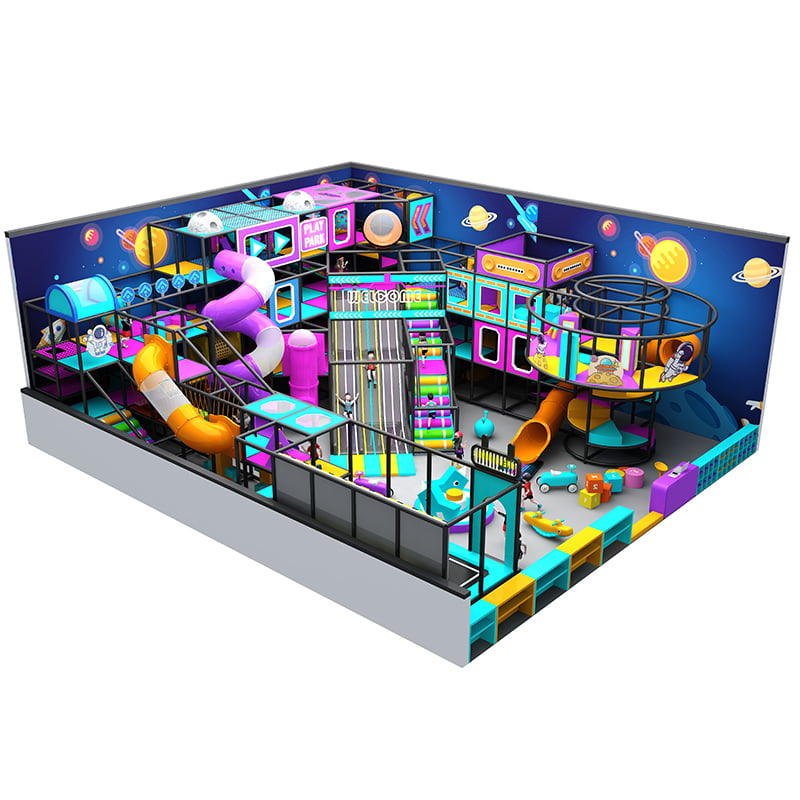
Impact absorption is one of the most critical factors in modern softplay design, yet many facility operators and parents underestimate its importance. When children engage in active play, falls, collisions, and impact events are inevitable. The difference between a minor tumble and a serious injury often comes down to how effectively the softplay equipment beneath them dissipates energy. Proper softplay that absorbs force reduces the risk of fractures, sprains, concussions, and other trauma-related injuries that can sideline a child or create lasting complications.
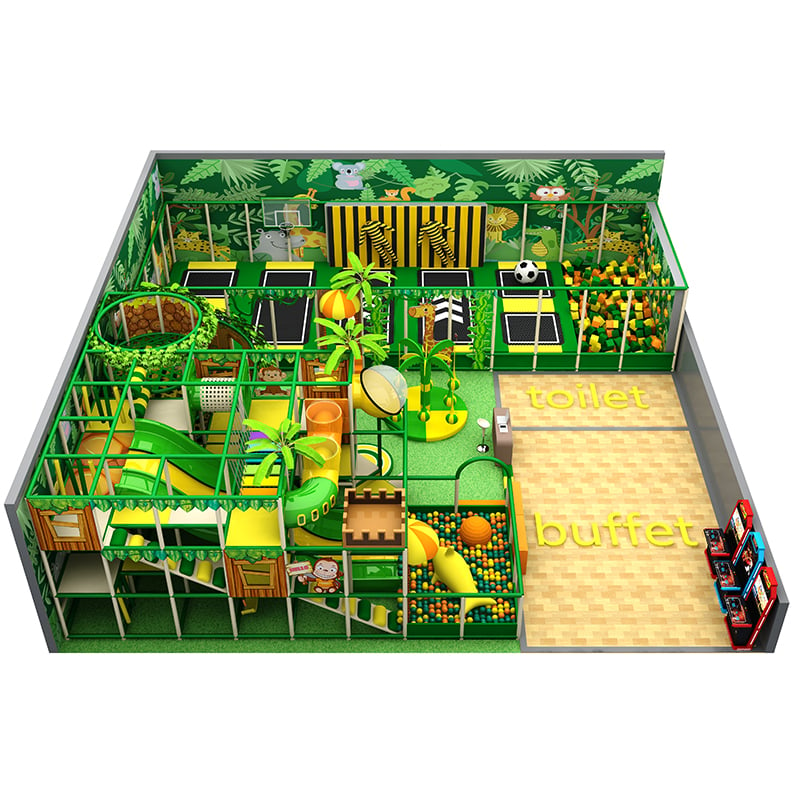
The science behind impact absorption in softplay is straightforward: when a child falls or crashes into equipment, the force generated needs somewhere to go. Without adequate softplay cushioning, that force travels directly into bones, joints, and soft tissues. Advanced softplay materials and construction methods work by extending the duration of impact and distributing force across a wider surface area, significantly lowering peak pressure on the body. This protective mechanism is fundamental to why investing in quality softplay matters for any facility that prioritizes child safety.
Why Impact Absorption Protects Children in Active Play Environments
Understanding the Physics of Falls and Collisions
Every playground and play facility experiences falls. Children naturally test boundaries, lose balance, and occasionally collide with structures or other children. In unprotected environments, these events transfer peak impact forces directly to vulnerable skeletal systems. Softplay equipment fundamentally changes this dynamic by introducing a cushioning layer that absorbs and disperses that energy. Modern softplay designs use engineered foam, padding, and base materials that compress upon impact, extending the collision duration from milliseconds to a full second or more, reducing the instantaneous force by 40 to 60 percent or greater. This principle explains why every reputable play facility now incorporates high-quality softplay as a standard safety requirement.
Common Injury Prevention Outcomes
Facilities equipped with proper softplay consistently report fewer injury incidents. Head injuries, which are particularly serious in young children, decrease significantly because softplay cushions both the initial impact and secondary collisions. Wrist and ankle sprains are less likely when surfaces absorb force rather than transmitting it directly to joints. Long-bone fractures, especially in children under ten years old, occur far less frequently in well-designed softplay environments. Beyond these acute injuries, softplay also reduces soft-tissue bruising and contusions, meaning children experience fewer painful impacts that might discourage them from returning to play. The cumulative effect is a safer, more inviting play environment where children can develop confidence and motor skills without excessive injury risk.
How Quality Softplay Material Selection Impacts Safety Outcomes
Material Properties That Drive Effective Impact Absorption
Not all softplay materials perform equally. The density, composition, and layering strategy of softplay directly determine its protective capacity. High-quality softplay typically uses multiple foam densities, with firmer base layers providing structural support and softer surface layers absorbing shock. EVA foam, polyurethane foam, and specialized impact-resistant polymers are common in premium softplay construction because they combine durability with consistent energy absorption across thousands of impacts. The best softplay maintains performance over years of use, resisting compression set that causes degradation. Testing standards like ASTM and EN certifications ensure that softplay meets measurable impact absorption benchmarks, giving facility managers confidence that their softplay investment delivers genuine protective value rather than relying on appearance alone.
Installation and Positioning of Softplay Systems
Even excellent softplay materials perform poorly if installed incorrectly. Proper softplay installation requires adequate thickness under high-risk zones where falls are most likely, such as below elevated platforms, climbing structures, and suspended equipment. Softplay must be positioned without gaps or thin spots that could allow a child to land on unprotected surfaces. The base structure beneath softplay also matters; a solid, level foundation ensures that softplay maintains consistent compression characteristics throughout. Professional installation of softplay systems accounts for fall zones defined by equipment height and design, ensuring coverage extends far enough to protect children who fall at angles or travel horizontally during a tumble. When softplay is properly engineered and installed, it delivers measurable reductions in impact-related injuries because children are protected during the exact moments when injury risk peaks.
Long-Term Benefits of Investing in Superior Softplay Infrastructure
Reduced Liability and Insurance Considerations
Facilities that maintain high-quality softplay systems benefit from lower liability exposure. Insurance providers recognize that superior softplay significantly reduces injury frequency and severity, often resulting in lower premiums and better coverage terms. Documentation of proper softplay installation and maintenance demonstrates due diligence to regulatory bodies and legal authorities should an incident occur. Facilities without adequate softplay face much higher liability risk, higher insurance costs, and greater potential for costly litigation when injuries happen. Beyond financial considerations, facilities with excellent softplay create safer environments that attract families seeking protected play spaces. This reputational benefit translates into higher attendance, stronger community standing, and competitive advantage over facilities that skimp on softplay safety features.
Child Confidence and Developmental Growth
When children feel confident that their play environment protects them, they engage more freely in physical activity. Quality softplay systems enable children to take appropriate physical risks, test their abilities, and develop motor skills without fear of severe injury. This psychological safety, enabled by effective softplay, supports crucial developmental milestones including balance, coordination, strength, and spatial awareness. Children who play confidently in well-protected softplay environments develop greater physical competence and resilience. Over time, this contributes to active lifestyle habits, reduced childhood obesity rates, and improved overall health outcomes. Facilities that prioritize softplay investment recognize that the benefits extend far beyond immediate injury prevention to encompass broader physical and emotional development during critical growth periods.
FAQ
What materials are considered the most effective for softplay impact absorption?
The most effective softplay materials combine multiple foam densities, with engineered EVA foam and polyurethane providing reliable impact absorption. Top-quality softplay often features a firmer base layer for structural integrity and softer surface layers for shock absorption. Materials certified to ASTM or EN standards offer measurable protection because they meet rigorous performance benchmarks. Premium softplay systems maintain consistent performance over extended use, resisting compression degradation that reduces protective capacity over time. When selecting softplay, always verify certification standards and density specifications to ensure the material genuinely absorbs impact rather than relying on superficial appearance alone.
How often should softplay equipment be inspected and maintained?
Quality softplay requires regular inspection to maintain protective function. Monthly visual checks identify surface damage, compression set, or degradation that might compromise impact absorption. Facilities should inspect for tears, permanent indentations, or discoloration indicating material breakdown in the softplay system. Professional structural assessments annually ensure that underlying foundations and base layers supporting the softplay remain intact and stable. Proper maintenance extends softplay lifespan and preserves impact absorption capacity throughout its intended service life. Neglected softplay loses protective effectiveness quickly, so systematic inspection and maintenance schedules are essential for ongoing injury prevention in any facility relying on softplay for child safety.
Can softplay be retrofitted to existing play structures?
Yes, quality softplay can be retrofitted to existing play structures, though the process requires careful planning and professional assessment. Existing play areas may need base preparation, surface leveling, or structural modifications to accommodate new softplay systems properly. A qualified safety consultant should evaluate fall zones and impact areas to ensure retrofitted softplay covers all high-risk locations adequately. Retrofitting softplay can be more expensive than planning it during initial facility construction, but it remains a viable way to upgrade safety in older facilities. Professional installation ensures that retrofitted softplay delivers the same impact absorption benefits as new systems, protecting children in facilities built before modern softplay standards became standard practice.