
 EN



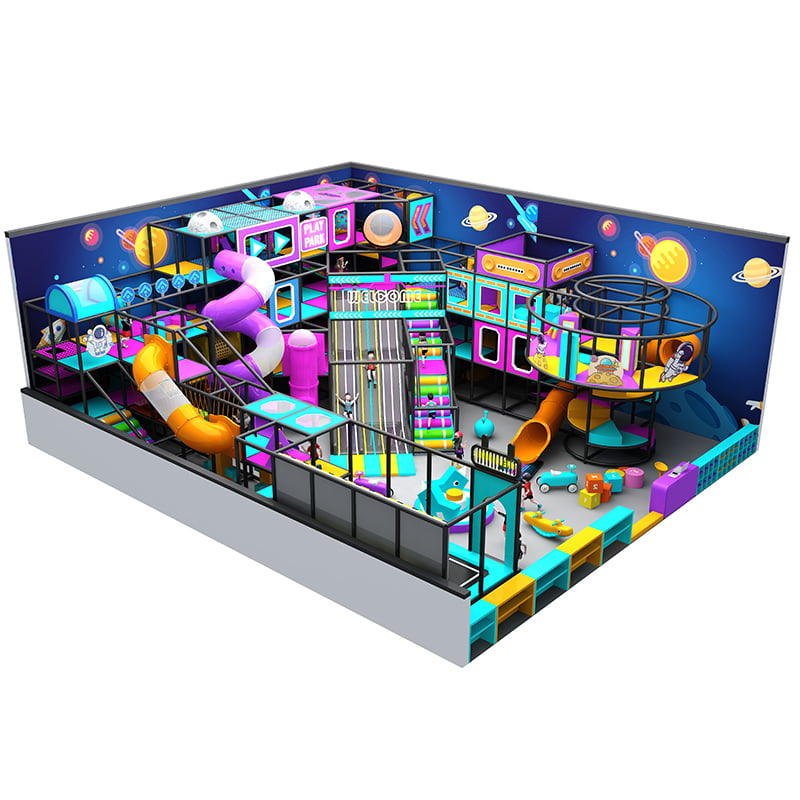
The design of softplay environments fundamentally shapes how children move, interact, and engage within confined play spaces. A well-planned softplay layout creates natural pathways for exploration, encourages social interaction, and maximizes the educational and developmental benefits of indoor play. Understanding how softplay spatial arrangement influences user behavior is essential for facility operators, designers, and parents seeking to optimize play experiences. The strategic placement of softplay elements directly affects safety, accessibility, and the overall quality of movement within the play environment.
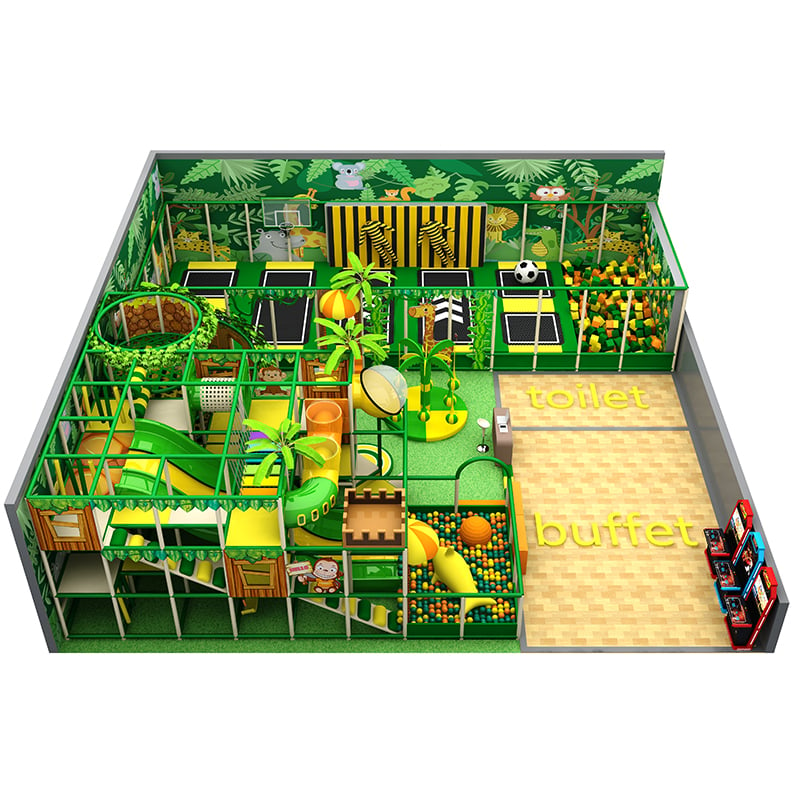
Effective softplay design requires balancing multiple considerations, including age-appropriate zoning, traffic flow optimization, equipment density, and visual sightlines for supervision. The physical arrangement of softplay structures determines whether children naturally circulate through spaces or become congested in specific areas. When softplay layouts are thoughtfully designed, they encourage dynamic movement patterns, reduce bottlenecks, and create distinct activity zones that appeal to different play preferences. This comprehensive guide explores how softplay configuration drives interaction dynamics and movement efficiency in confined indoor play settings.
Understanding Softplay Layout Principles
Core Design Elements of Effective Softplay Arrangements
A successful softplay layout begins with understanding the fundamental principles that govern spatial flow and user engagement. Softplay environments must incorporate clear zoning that separates active play areas from quieter spaces, ensuring children with different energy levels find suitable activities. The softplay design should include entry points that gradually introduce children to the available equipment, allowing for progressive engagement rather than overwhelming sensory input. Height variation within softplay installations creates visual interest and encourages exploration across multiple levels, promoting both horizontal and vertical movement patterns.
Spacing between softplay elements significantly influences how children navigate the environment. Adequate clearance allows multiple children to move simultaneously without collision risk, while appropriate density prevents spaces from feeling empty or underutilized. The softplay layout must account for movement pathways that accommodate children of varying ages, physical abilities, and confidence levels. Strategic softplay positioning ensures that popular equipment does not create dangerous congestion points, and that sight lines remain clear for supervising adults throughout the confined play space.
Spatial Flow and Movement Patterns in Softplay Design
Movement patterns within softplay installations emerge naturally from equipment placement and pathway architecture. When softplay elements are arranged in logical sequences, children intuitively progress through play experiences in ways that feel organic and rewarding. Circular or figure-eight traffic patterns within softplay spaces encourage continuous movement and reduce the likelihood of children becoming stationary or disruptive. The softplay layout should facilitate transitions between equipment types, allowing children to move smoothly from climbing structures to slides, ball pits, or soft play components without friction or confusion.
Environmental psychology principles demonstrate that softplay configuration directly affects dwell time and engagement depth. When children encounter softplay zones arranged in unexpected or varied sequences, they show increased curiosity and sustained play periods. Poorly designed softplay layouts, conversely, lead to rapid equipment cycling and reduced interaction quality. The most effective softplay arrangements balance novelty with intuitive navigation, ensuring that movement through the space feels rewarding rather than confusing. This strategic approach to softplay positioning maximizes play value within confined spatial constraints.
Interaction Dynamics and Social Development in Softplay Spaces
How Softplay Layout Encourages Cooperative Play and Social Engagement
Softplay layout directly influences whether children engage in parallel play, cooperative activities, or solitary exploration. When softplay elements are positioned to create natural gathering points, children instinctively congregate and develop shared play narratives. Equipment clusters within softplay installations that accommodate multiple simultaneous users foster peer interaction, negotiation skills, and collaborative problem-solving. The softplay arrangement that provides semi-private spaces or alcoves encourages small-group bonding while maintaining visual connection to the broader play environment.
Different softplay layout configurations produce measurably different social outcomes. Tight, high-density softplay arrangements may increase accidental conflicts and reduce quality interaction time. Conversely, excessively spread-out softplay installations can isolate children and reduce the spontaneous social connections that occur through proximity. The optimal softplay layout achieves a balance where children encounter peers naturally, share spaces productively, and develop confidence in social negotiation. Strategic softplay positioning near supervision areas also enables adults to facilitate positive interactions when needed.
Developmental Benefits of Well-Designed Softplay Movement Spaces
Movement through thoughtfully arranged softplay environments directly supports gross motor skill development, spatial awareness, and body confidence. Each softplay climbing sequence, jump, or balance challenge encountered through natural progression strengthens physical capabilities progressively. When softplay layout encourages varied movement types—climbing, jumping, crawling, rolling, and balancing—children develop comprehensive motor competence more effectively than in static or repetitive environments. The softplay arrangement that requires children to problem-solve how to navigate between elements builds cognitive skills alongside physical development.
Psychological research consistently shows that movement-rich softplay environments with intelligently designed layouts support emotional regulation and confidence building. Children who successfully navigate challenging softplay sequences experience achievement satisfaction that translates to broader self-efficacy beliefs. The softplay layout that offers graduated difficulty levels allows children to progress at individual paces, preventing both frustration and boredom. This developmental approach to softplay positioning creates environments where movement, interaction, and psychological growth reinforce each other continuously.
Optimizing Softplay Layouts for Safety and Accessibility
Safety Considerations in Softplay Spatial Arrangement
Safety must be the primary consideration when evaluating any softplay layout configuration. Appropriate spacing between softplay components prevents collision injuries and allows supervising adults to maintain clear visual access to all areas simultaneously. The softplay arrangement should eliminate blind spots where equipment blocks sightlines or creates hidden areas beyond adult observation. Fall zones under and around softplay structures must remain clear and properly surfaced, which influences the overall softplay layout footprint and spacing requirements significantly.
Emergency access within softplay environments depends heavily on layout planning and equipment positioning. A well-designed softplay installation maintains clear pathways for rapid access to any child requiring assistance, ensuring that equipment placement does not create barriers to emergency response. The softplay layout must accommodate adults moving quickly through the space while maintaining structural integrity and preventing accidental toppling of equipment. Age-appropriate softplay zoning prevents younger children from accessing structures designed for older users, a safety consideration that directly impacts the overall softplay spatial organization and separation requirements.
Accessibility and Inclusive Design in Softplay Layouts
Inclusive softplay design ensures that children with varying physical abilities can access and enjoy play opportunities within the space. The softplay layout should incorporate ground-level activities that serve children with mobility limitations, alongside elevated equipment for those seeking more challenge. Wheelchair-accessible pathways through softplay installations must be wide enough for independent navigation, influencing the overall softplay spacing and configuration significantly. Sensory considerations in softplay arrangement—including lighting, acoustic design, and equipment texture variety—support children with sensory processing differences.
An softplay layout that prioritizes accessibility demonstrates commitment to genuine inclusion. Ramps, sloped surfaces, and graduated steps within softplay installations allow children with physical challenges to participate meaningfully. The softplay design that considers multiple ability levels in equipment selection and positioning creates environments where all children experience success and belonging. This universal design approach to softplay spatial arrangement benefits not only children with identified disabilities but enhances usability for every child in the play environment.
FAQ
How does softplay layout affect the duration children spend in play activities?
Softplay layout directly influences engagement duration through novelty, flow optimization, and challenge progression. Well-designed softplay arrangements present children with varied experiences that sustain interest over longer periods, while monotonous softplay configurations lead to rapid disengagement. When softplay layout encourages continuous discovery and offers achievable challenges that match individual development, children naturally extend their play sessions. Strategic softplay positioning that creates moment-to-moment discoveries maintains intrinsic motivation more effectively than static or poorly organized spaces.
What role does softplay layout play in reducing behavioral challenges and congestion?
Behavioral problems in confined play spaces often stem from poorly designed softplay layouts that create bottlenecks and frustration. When softplay arrangements allow smooth traffic flow and distributed activity options, children experience less crowding stress and engage more positively. The softplay layout that prevents congestion at popular equipment reduces conflict incidence and supervision demands significantly. Thoughtfully organized softplay spacing ensures children have access to choices, reducing the frustration-driven behaviors that emerge when children feel constrained or trapped in poorly flowing spaces.
Can softplay layout be adjusted to serve different age groups or developmental stages?
Yes, effective softplay layout design incorporates zoning strategies that serve multiple age groups within the same facility. Segregating softplay areas by age ensures that younger children encounter appropriately scaled equipment, while older children access age-appropriate challenges. The softplay layout can be designed with flexible configurations that allow temporary adjustments for specific age groups or developmental focuses. Strategic softplay arrangement enables facility managers to optimize experiences for varied user populations while maintaining safety and engagement standards across all zones within the confined play environment.