
 EN
EN


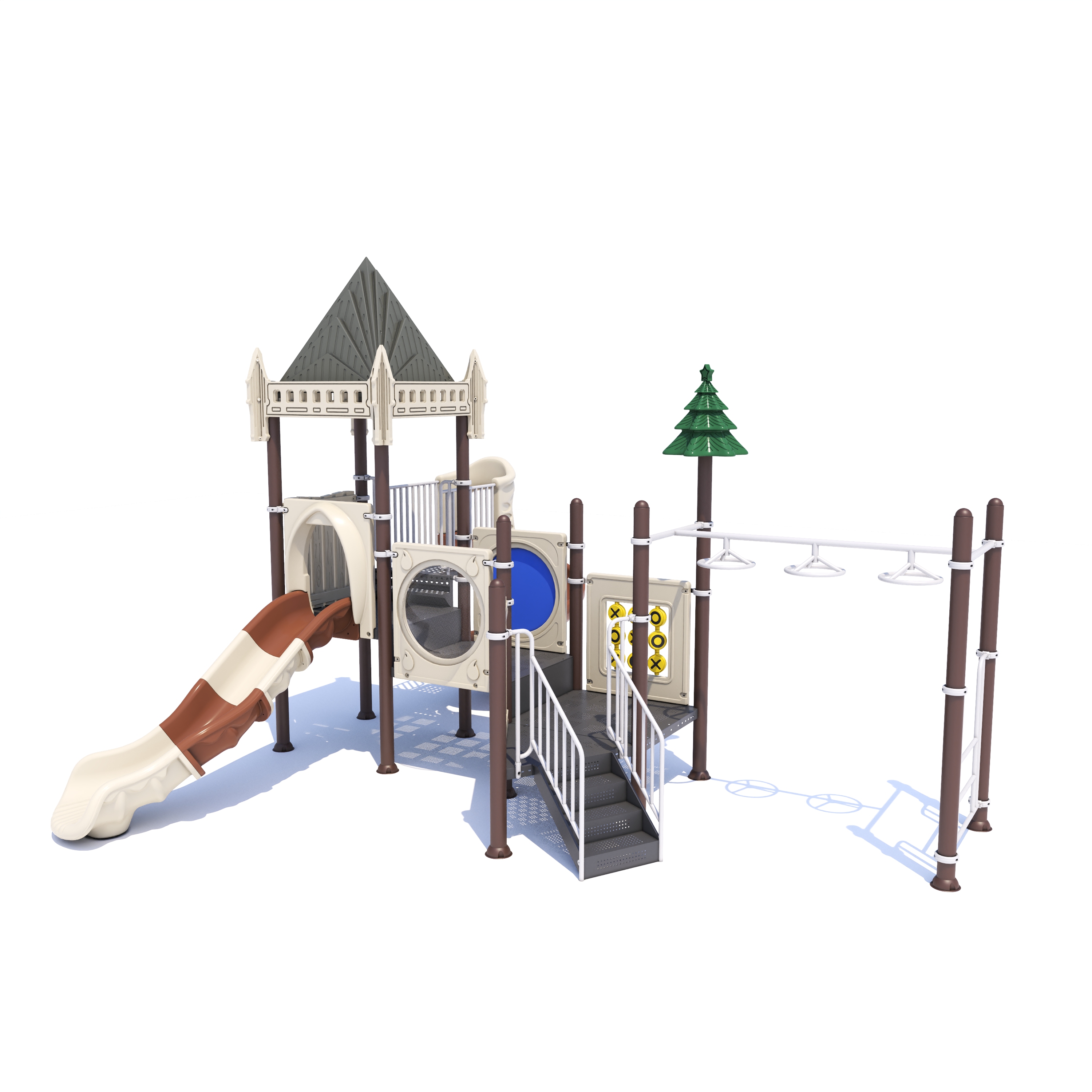
The world of play is never static. Over the past two decades, the amusement equipment industry has undergone a remarkable transformation, driven by shifting demographics, evolving safety standards, growing environmental consciousness, and a deeper understanding of how children learn through play. Manufacturers, facility operators, and park designers are no longer simply building structures for children to climb on — they are engineering immersive, inclusive, and intelligent environments that respond to the real expectations of modern families and communities.
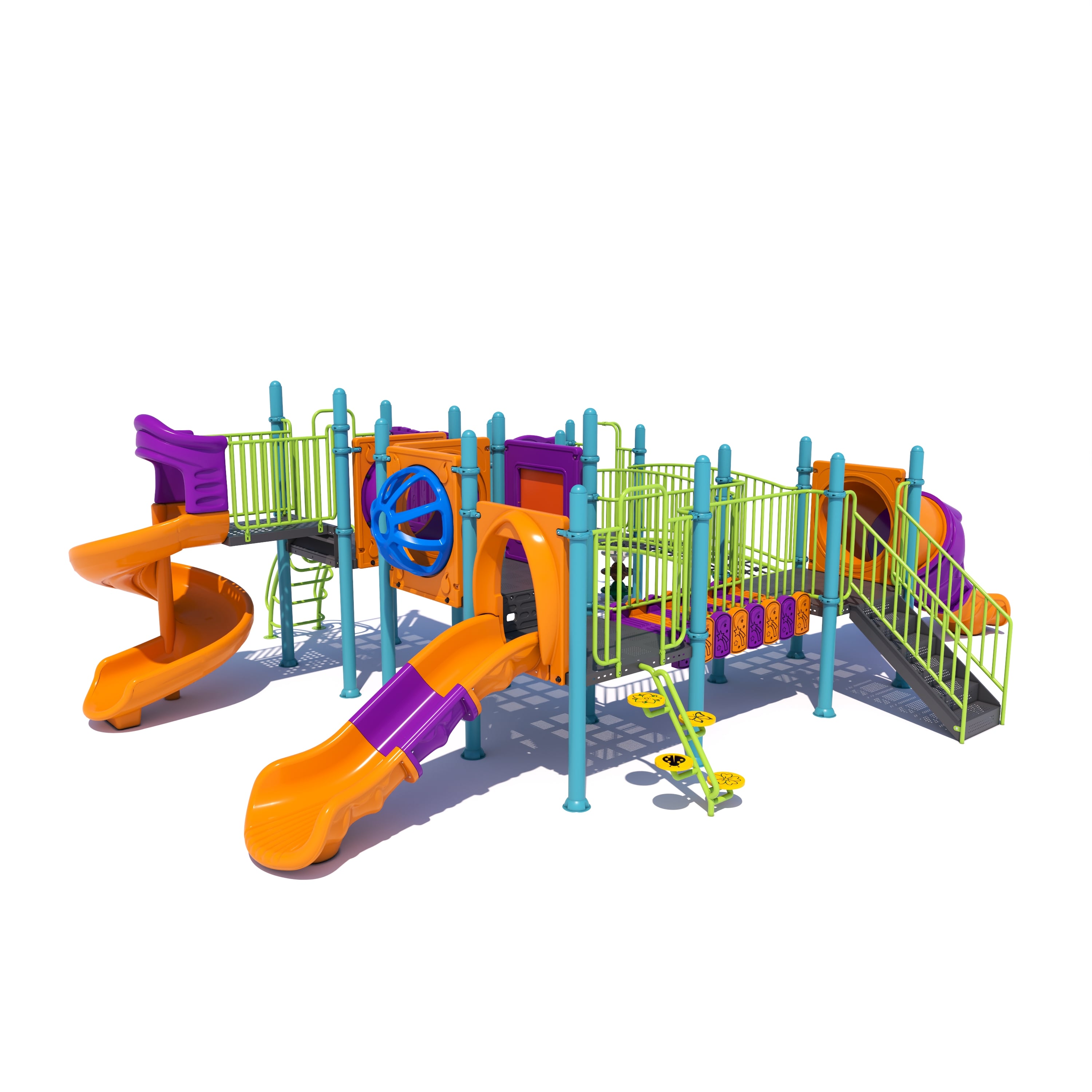
Understanding how amusement equipment trends evolve requires looking at both macro forces — such as urbanization, digital culture, and sustainability policy — and micro-level user feedback collected from parents, children, educators, and park operators. These two streams of intelligence converge into a continuous cycle of design innovation. This article breaks down the key evolutionary forces shaping amusement equipment today, and how the industry adapts its products to stay relevant, safe, and commercially successful.
The Driving Forces Behind Amusement Equipment Evolution
Demographic Shifts and Changing Family Expectations
One of the most powerful drivers of change in the amusement equipment market is the shift in family demographics and parenting culture. Today's parents are more informed and more selective than ever before. They research products online, read safety certifications, and look for play structures that offer developmental value beyond mere entertainment. This has pushed manufacturers of amusement equipment to align their designs with child psychology research and occupational therapy principles.
Families are also more diverse in terms of ability. Inclusive design has become a defining standard, not a premium add-on. Modern amusement equipment must accommodate children with physical limitations, sensory sensitivities, and cognitive differences. Ramps instead of ladders, sensory panels, wheelchair-accessible platforms, and quieter play zones are now expected features rather than optional upgrades. This shift has changed the entire engineering and material selection process across the industry.
Urbanization has further compressed the available space for play. As more children grow up in apartments and dense urban settings, the demand for compact, multi-functional amusement equipment has surged. Designers are challenged to pack more play value — physical challenge, imaginative role-play, social interaction — into smaller footprints without compromising safety or structural integrity.
Digital Culture and the Demand for Experiential Play
The rise of screen-based entertainment has paradoxically created a stronger case for high-quality outdoor amusement equipment. Parents and educators increasingly recognize the importance of physical play as a counterbalance to sedentary digital habits. This has elevated the expected quality and engagement level of play spaces. A simple swing set is no longer sufficient — the amusement equipment of today must offer layered experiences that hold a child's attention with physical challenge, discovery, and social interaction.
Some segments of the market have responded by integrating technology directly into play structures. Interactive panels, sound-responsive elements, and augmented reality overlays are appearing in commercial amusement equipment installations. However, the dominant trend for community-level and school-based play is still nature-inspired, tactile, and screen-free — but elevated in complexity and aesthetic quality compared to what was standard a generation ago.
Material Innovation and Sustainability Standards in Amusement Equipment
The Shift Toward Eco-Friendly Materials
Material science is one of the most active areas of innovation within the amusement equipment sector. The traditional dominance of painted steel and treated wood has given way to a broad palette of engineered materials, each selected for its combination of durability, safety, and environmental profile. High-density polyethylene (HDPE), recycled plastics, powder-coated aluminum, and thermoplastic elastomers are now standard in quality amusement equipment manufacturing.
Eco-friendly amusement equipment is no longer a niche category marketed to environmentally conscious buyers — it has become a baseline expectation in public procurement, educational facility projects, and commercial park development. Buyers evaluate amusement equipment not only on upfront cost and aesthetic appeal but also on lifecycle carbon footprint, recyclability, and compliance with international environmental standards such as REACH and RoHS.
Plastic-based amusement equipment, when manufactured with virgin or recycled HDPE, offers a compelling combination of UV resistance, impact durability, and low maintenance. These characteristics make it particularly well-suited for outdoor environments where constant exposure to sun, rain, and heavy use would quickly degrade lower-quality materials. The amusement equipment incorporating eco-friendly plastic construction reflects this industry-wide pivot toward responsible material stewardship without sacrificing play value or visual appeal.
Durability Requirements and Total Cost of Ownership
Commercial buyers of amusement equipment have grown increasingly sophisticated in their evaluation frameworks. Rather than assessing products purely by purchase price, procurement teams now calculate total cost of ownership, which factors in installation complexity, maintenance frequency, replacement part availability, and expected service life. This commercial maturity has raised the minimum acceptable quality threshold for amusement equipment across all market segments.
Durability is directly tied to material selection, but it is also shaped by design engineering. Load-bearing joints, surface finish treatments, anti-corrosion coatings, and UV-stabilized colorants all contribute to how long a piece of amusement equipment retains its structural integrity and visual appeal under real-world conditions. Manufacturers who invest in these engineering details gain a clear commercial advantage in competitive tender processes.
The maintenance dimension is also evolving. Facility operators expect amusement equipment designs that are easy to inspect, simple to repair, and compatible with modular upgrades. Monolithic structures that cannot be partially replaced are falling out of favor, replaced by modular systems where individual panels, slides, or climbing elements can be swapped out without dismantling the entire installation.
Safety Compliance as a Trend Driver in Amusement Equipment Design
How Regulatory Frameworks Shape Product Development
Safety standards have always been central to the amusement equipment industry, but the regulatory landscape has grown significantly more demanding and globally harmonized over the past decade. Standards such as EN 1176 in Europe, ASTM F1487 in North America, and equivalent frameworks in Asia-Pacific markets set detailed technical requirements for fall zones, entrapment gaps, surface materials, load testing, and signage. Compliance with these frameworks is not optional — it is a prerequisite for market entry in most commercial segments.
What is notable from a trend perspective is how these standards themselves evolve in response to injury data, emerging materials, and new play concepts. Regulatory bodies update their requirements regularly, and amusement equipment manufacturers must build compliance monitoring into their product development cycles. Companies that treat safety compliance as a dynamic, ongoing process rather than a one-time certification event are better positioned to release future-ready products.
The convergence of safety standards across major markets is also reshaping the global trade in amusement equipment. Products designed to meet the most demanding standards — typically EN 1176 — are increasingly capable of entering multiple markets with minimal modification. This regulatory harmonization is accelerating cross-border procurement, benefiting manufacturers who invest upfront in rigorous compliance engineering.
Inclusive Safety and Age-Range Design Logic
Modern safety thinking in amusement equipment design has shifted from a purely hazard-avoidance model toward a risk-benefit framework. This philosophical evolution recognizes that some degree of physical challenge, managed risk, and even minor falls are developmentally beneficial for children. Designers are learning to distinguish between hazardous conditions that should be eliminated and challenging conditions that should be preserved and even celebrated.
Age-range segmentation has become more sophisticated as a result. Rather than broad categories like 'toddler' or 'school-age,' contemporary amusement equipment design often targets specific developmental windows — 18 months to 36 months, 3 to 5 years, 5 to 12 years — each with distinct motor capability profiles, cognitive development markers, and social play patterns. This granularity produces more developmentally appropriate and commercially compelling products.
Aesthetic and Thematic Evolution in Amusement Equipment
From Functional Structures to Narrative Play Environments
The aesthetic dimension of amusement equipment has undergone one of its most dramatic transformations in recent years. Where play structures were once purely utilitarian — functional frames with minimal visual distinction — they are now understood as environmental storytelling tools. The visual design of amusement equipment communicates a play theme, creates a sense of place, and invites children into imaginative scenarios before they even begin climbing.
Nature-themed designs featuring organic shapes, earth tones, and botanical motifs have surged in popularity, particularly in community parks and early childhood settings. Space exploration, nautical adventure, and fantasy castle themes remain strong sellers in commercial entertainment contexts. This thematic diversity reflects a broader understanding that the emotional appeal of amusement equipment is as commercially important as its physical functionality.
Color science has also entered the design conversation in a meaningful way. Research into how color affects mood, stimulation, and sensory processing has informed the palette choices used in contemporary amusement equipment. Bright primary colors remain popular for younger age groups, while more nuanced earth tones and cool blues are being introduced in spaces designed for mixed-age or inclusive use. These decisions are no longer left to chance or manufacturer preference — they are informed by occupational therapy research and end-user consultation.
Customization as a Commercial Differentiator
The ability to customize amusement equipment has become a significant competitive differentiator. Schools, municipalities, commercial developers, and hospitality brands increasingly want play structures that reflect their specific identity, color scheme, or thematic concept. Manufacturers who offer configurable modular systems — allowing buyers to mix and match climbing elements, slides, panels, and shade structures — attract a higher-value clientele than those selling only off-the-shelf configurations.
Customization also extends to functional configuration. Operators may want to add or reconfigure elements as their user base grows or as wear patterns change. Amusement equipment systems that support post-installation modification offer a long-term commercial relationship rather than a one-time transaction, which is a compelling proposition for both manufacturer and buyer.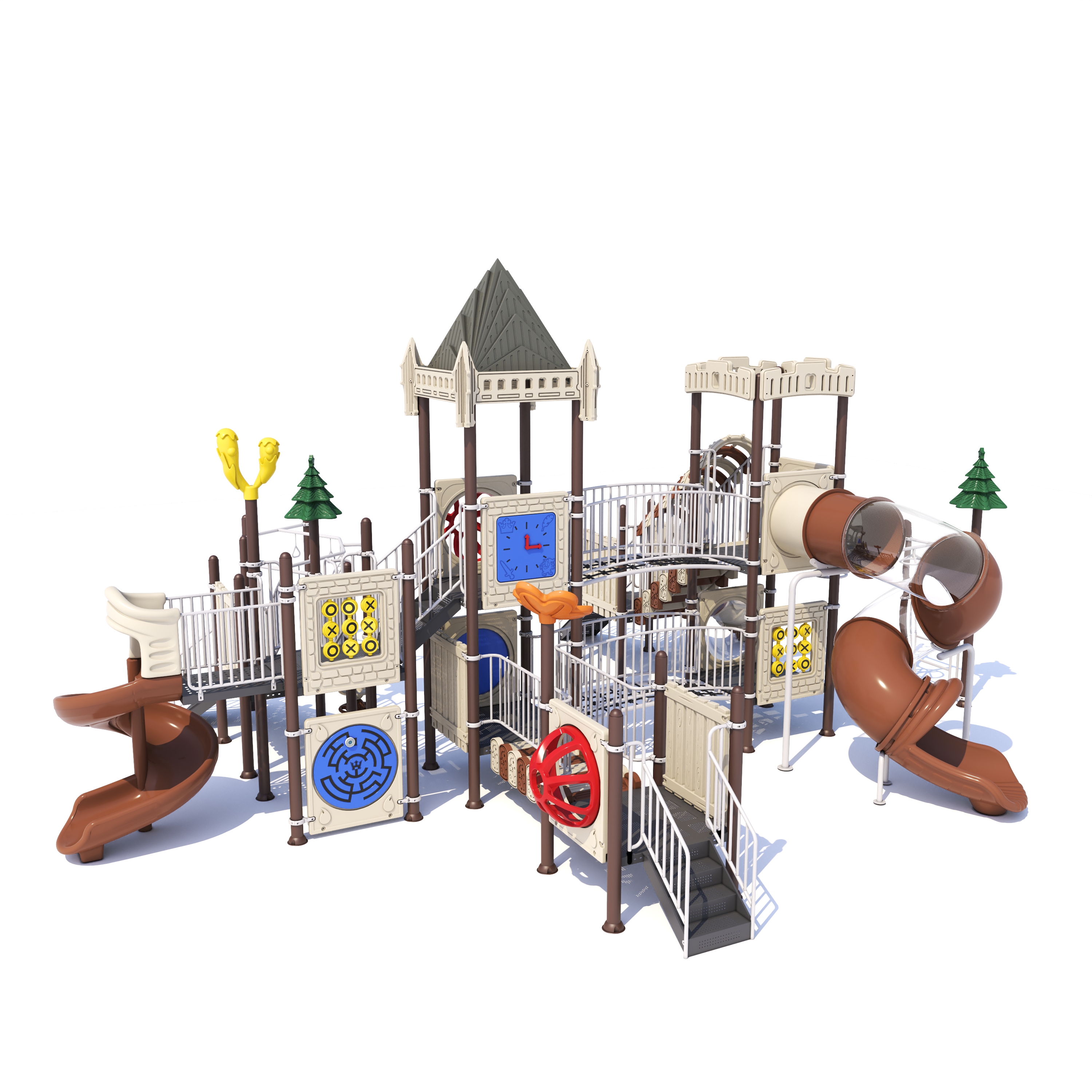
FAQ
What factors most influence amusement equipment purchasing decisions today?
Buyers of amusement equipment today weigh a combination of safety certification compliance, material quality and sustainability profile, developmental appropriateness for the target age group, aesthetic alignment with their environment, and total cost of ownership. Price remains a factor, but it is rarely the primary driver in commercial or institutional procurement. Durability, warranty terms, and availability of replacement parts often carry significant weight in the final evaluation.
How has the role of sustainability changed in the amusement equipment industry?
Sustainability has moved from a marketing differentiator to a baseline expectation in the amusement equipment market. Public tenders, educational institutions, and commercial developers increasingly require documented evidence of eco-friendly materials, responsible manufacturing processes, and recyclability. Manufacturers who have invested in HDPE, recycled content, and low-VOC coatings are better positioned to meet these requirements and win competitive contracts.
How do inclusive design principles affect amusement equipment development?
Inclusive design now shapes the structural, sensory, and social dimensions of amusement equipment from the earliest stages of product development. This means incorporating accessible entry points, ground-level play features, sensory panels, reduced-noise zones, and smooth surface transitions that accommodate children using mobility aids. Inclusive amusement equipment is not only a moral and regulatory imperative — it also expands the commercial appeal of a play space to the widest possible user population.
What role does thematic design play in the commercial success of amusement equipment?
Thematic design significantly influences both the initial purchase decision and the long-term satisfaction of end users. A well-executed theme creates emotional engagement, encourages imaginative play, and makes a play space visually memorable. For commercial operators such as resorts, shopping centers, and entertainment venues, distinctive amusement equipment themes contribute to brand differentiation and repeat visitor appeal. For community parks and schools, nature-inspired themes create a sense of belonging and environmental connection that extends beyond the play session itself.
Table of Contents
- The Driving Forces Behind Amusement Equipment Evolution
- Material Innovation and Sustainability Standards in Amusement Equipment
- Safety Compliance as a Trend Driver in Amusement Equipment Design
- Aesthetic and Thematic Evolution in Amusement Equipment
-
FAQ
- What factors most influence amusement equipment purchasing decisions today?
- How has the role of sustainability changed in the amusement equipment industry?
- How do inclusive design principles affect amusement equipment development?
- What role does thematic design play in the commercial success of amusement equipment?