
 EN
EN


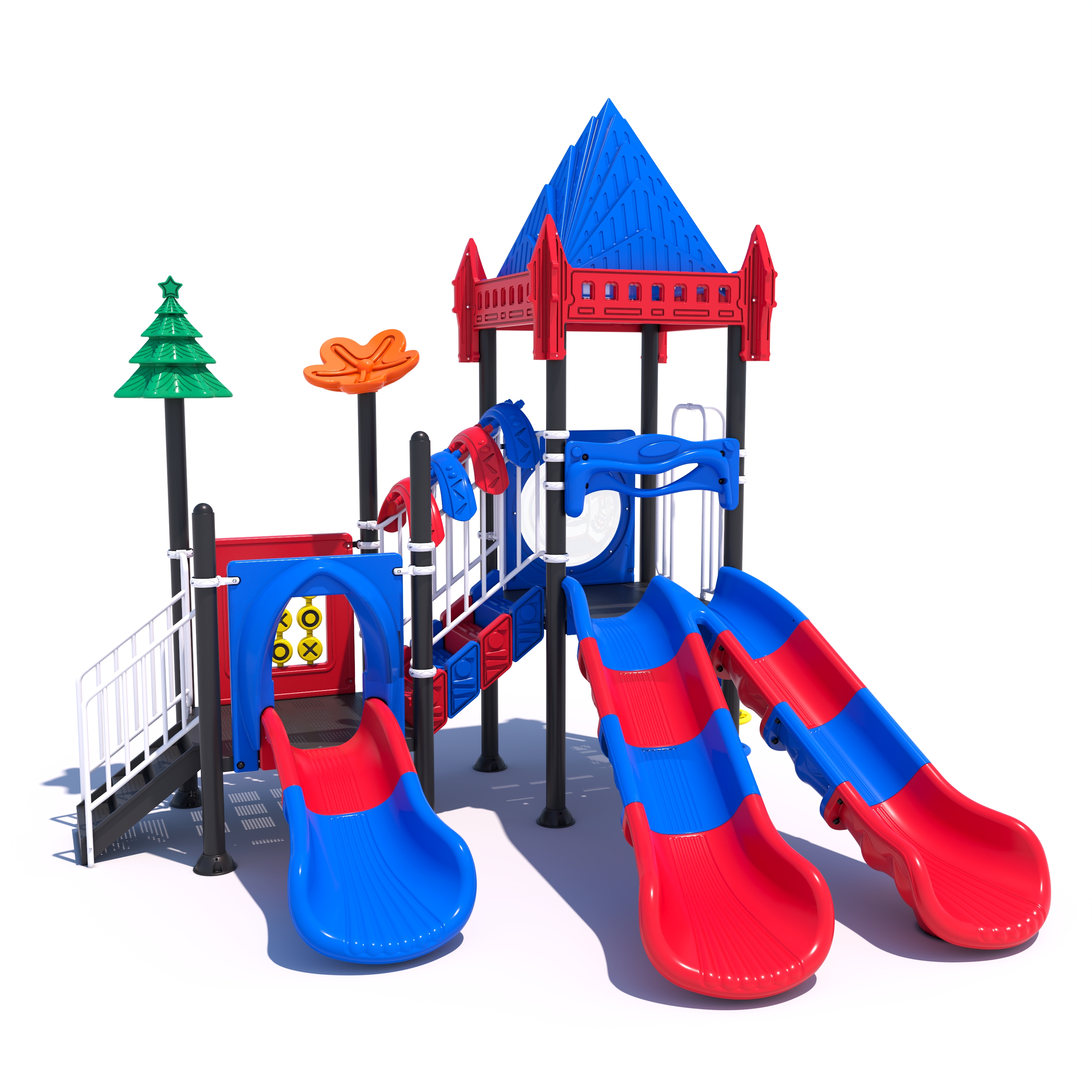
A well-designed children playground does far more than provide a place to run and climb. It functions as a carefully engineered environment where physical development, social interaction, and imaginative play converge in a way that serves children at every developmental stage. From toddlers taking their first confident steps on soft rubber surfaces to older children navigating complex climbing structures, design decisions shape whether a play space genuinely meets the needs of the children using it. Understanding how design translates into safe, engaging, and age-appropriate experiences is essential for schools, parks, and recreational planners who want to invest wisely in outdoor spaces.
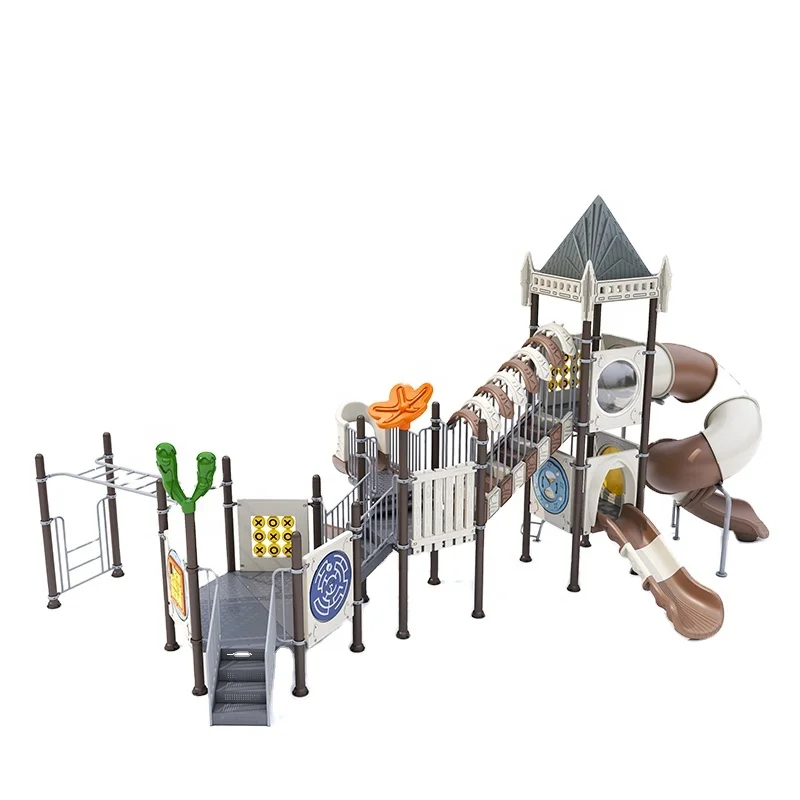
The relationship between design and play quality is not accidental. Every structural choice in a children playground — from the height of platforms to the spacing of handrails to the choice of materials — reflects an understanding of child psychology, motor development, and safety standards. When these elements align correctly, the result is a space that children return to repeatedly because it challenges them appropriately and keeps them protected at every turn. This article examines how thoughtful playground design achieves that balance across different age groups, and what specific features make a meaningful difference in real-world play environments.
The Role of Age-Based Zoning in Children Playground Design
Why Separating Play Zones by Age Matters
One of the foundational principles in modern children playground design is the intentional separation of play areas according to developmental age ranges. Toddlers between ages two and five operate in a world of sensory discovery and simple physical challenges, while children aged six to twelve are ready for higher structures, faster movement, and more complex coordination tasks. When both groups share the same undifferentiated space, the risk of collision, inappropriate equipment use, and accidental injury increases significantly. Thoughtful zoning eliminates this problem by creating distinct environments tailored to each group's capabilities and risk tolerance.
Age-based zoning also serves an important psychological function. When younger children have their own defined area, they experience a sense of ownership over that space and feel less intimidated by older, physically larger peers. Similarly, older children can explore more challenging equipment without being constrained by the presence of toddlers who require slower movement and more cautious adult supervision. The children playground becomes a layered environment where every visitor finds something appropriately matched to their current abilities.
Designers typically use visual cues, gentle landscaping transitions, and equipment scale to communicate age boundaries without requiring hard physical barriers. A gradual shift from low, cushioned structures with wide platforms to taller frames with narrower footings signals to both children and caregivers that the environment is changing in its expectations and demands. This kind of intuitive spatial communication is a hallmark of high-quality children playground design.
Developmental Benchmarks That Inform Zoning Decisions
Designers working on a children playground rely on established child development benchmarks to inform how each zone is equipped. Between ages two and four, children are developing gross motor skills such as running, jumping, and basic climbing, but they have limited spatial awareness and impulse control. Equipment in this zone features low heights, enclosed platforms, gentle slides, and tactile play panels that engage without overwhelming. Safety surfaces in these areas are particularly critical, since falls at this stage are frequent and unpredictable.
Children aged five to seven are entering a phase of rapid physical confidence and social play. They benefit from equipment that introduces mild challenge — moderate climbing walls, bridges with rope elements, and slides with slightly steeper angles. These features encourage risk calibration, which is a critical part of healthy development, while keeping structural risks within manageable bounds. A children playground designed with this age group in mind provides enough novelty and physical demand to maintain engagement across many visits.
From age eight onward, children seek genuine physical challenge, peer competition, and complex movement sequences. Equipment in this zone can include overhead ladder runs, tall multi-level climbing frames, and activity structures that require coordination across multiple body parts simultaneously. The children playground equipment in this category must be engineered to handle intense, repeated physical stress from active older children while still meeting rigorous safety certification requirements.
Material Selection and Its Impact on Safety and Durability
Structural Materials That Define Long-Term Reliability
The materials chosen for a children playground directly determine how long the equipment remains safe, how well it withstands environmental exposure, and how comfortable it feels during active use. Galvanized steel pipe has become a leading structural choice for outdoor playground frames because it combines high tensile strength with excellent resistance to rust and corrosion. Unlike painted metal that can chip and expose bare steel to moisture, galvanized coatings bond metallurgically with the underlying steel, providing protection that lasts for decades under consistent outdoor conditions.
For plastic components such as slides, panels, and deck surfaces, high-density polyethylene and rotational-molded plastics offer the right combination of impact resistance and UV stability. These materials do not splinter, do not retain excessive heat under direct sunlight, and maintain their structural integrity through freeze-thaw cycles. On a high-traffic children playground, this durability translates directly into reduced maintenance costs and a consistently safe surface for children of all ages.
The selection of fasteners, brackets, and connection hardware also matters more than many planners initially realize. Stainless steel or zinc-plated fasteners resist corrosion in humid or coastal environments, preventing the loosening and structural degradation that can create hidden hazards over time. A children playground that uses high-grade connection hardware throughout its structure maintains its geometric integrity even after years of intense use, which is a practical safeguard against equipment failure.
Surface Materials and Fall Attenuation Standards
The surface beneath and around a children playground is just as important as the equipment itself. Fall attenuation — the ability of a surface to absorb impact energy during a fall — is measured and regulated under international standards, and choosing the wrong surface material is one of the most common and consequential errors in playground planning. Rubber tiles, poured-in-place rubber, engineered wood fiber, and rubber mulch each have different performance profiles and maintenance requirements that must be matched to the specific equipment heights and age groups in the space.
For zones serving toddlers and young children, surfaces with a high critical fall height rating and minimal trip hazards are essential. Seamless poured rubber is particularly effective in these areas because it eliminates the gaps and edges that can catch small feet. In zones designed for older children with taller structures, the surface must provide adequate cushioning at the specific fall heights expected from the equipment, which may require thicker rubber tile systems or deeper engineered wood fiber beds beneath high platforms.
Surface maintenance is an ongoing responsibility in any children playground setting. Even the best materials degrade over time if not inspected and replenished regularly. Loose-fill materials like wood fiber can compact, shift, or become displaced through regular use, reducing their protective function. A proactive surface maintenance schedule is part of the total design commitment that keeps a children playground genuinely safe rather than simply appearing safe on initial installation.
Design Features That Drive Engagement Across Age Groups
Physical Challenge and Progressive Skill Development
A truly engaging children playground does not offer a single level of challenge — it presents a progression that grows with the child's developing abilities. This concept, often called 'graduated challenge,' means that a child who found a particular element difficult at age five can return at age seven and master it, then move on to a more demanding element nearby. This natural progression encourages repeated visits and sustained interest in the space. It also reinforces self-confidence, as children build a visible personal history of mastered challenges.
Climbing features illustrate this principle well. A well-designed children playground might include a low, wide ramp with textured grips for toddlers, a moderate angled climbing wall with handholds for school-age children, and a near-vertical rock wall with irregular grip patterns for older children. Each element serves a distinct developmental stage while occupying the same physical space in a way that feels cohesive rather than fragmented. The visual complexity of such a layout also invites exploration and discovery, which are fundamental drivers of sustained play engagement.
Balance and coordination features add another dimension to the physical challenge profile of a children playground. Balance beams, rope bridges, stepping stones set at varying distances, and wobble boards all engage proprioceptive development — the body's ability to sense its own position and movement in space. These elements benefit all age groups because proprioceptive skill develops continuously throughout childhood, making these features rewarding at every stage of development rather than being quickly 'outgrown.'
Social and Imaginative Play Structures
Physical challenge is only one dimension of what makes a children playground compelling. Imaginative and social play are equally important drivers of engagement, and design can actively support both. Play structures that incorporate enclosed spaces — lookout towers, tunnel crawls, themed panels — invite children to create their own narrative contexts and role-play scenarios. These spaces are especially valuable for younger children, who engage in symbolic play as a core cognitive activity, but they also remain relevant for older children who use shared imaginative play as a social bonding mechanism.
Multi-user elements such as wide slides, group swings, and large climbing frames that accommodate several children simultaneously promote cooperative play and teach children to navigate shared space. A children playground designed with social interaction in mind includes enough multi-user features that children can play together rather than always waiting their turn for single-user equipment. This design choice reduces conflict, promotes positive social development, and increases the overall throughput of active play in busy school or park environments.
Sensory play features round out the engagement profile of a fully considered children playground. Sand and water play areas, musical panels, tactile walls, and color-varied surfaces engage children whose dominant learning modality is sensory rather than purely physical. These features are particularly valuable for children with developmental differences, who may find traditional climbing and sliding equipment less accessible or less interesting. Incorporating sensory play into the overall design reflects an inclusive philosophy that makes the children playground genuinely welcoming to a diverse group of users.
Inclusive Design Principles in Modern Children Playground Planning
Accessibility as a Design Standard, Not an Afterthought
Inclusive design in a children playground means building spaces where children of varying physical abilities can participate meaningfully in play, not just observe from the sidelines. This requires deliberate decisions about pathway widths, ramp gradients, equipment heights, and the variety of play activities available. Wheelchair-accessible routes through the playground allow caregivers and children with mobility devices to navigate the space comfortably, while ground-level play elements — sensory panels, sand tables, musical components — provide engaging activity options that do not require elevated access.
Transfer stations on elevated equipment allow children who use mobility devices to move independently from their chair to a platform and explore higher structures at their own pace. These features are not simply regulatory compliance measures — they represent a genuine commitment to the idea that a children playground should serve every child in the community it is designed for. Research consistently shows that inclusive playgrounds benefit all children by exposing them to peers with different abilities and encouraging creative problem-solving about how to play together.
Sensory inclusivity is an equally important dimension. Children with sensory processing sensitivities benefit from quieter zones within the children playground that offer lower stimulation and a sense of shelter. Canopy structures, partially enclosed spaces, and softer ground textures in designated areas provide refuge for children who become overstimulated and need a regulated break before re-engaging with more intense play. These spaces also serve as natural gathering points for caregivers, making the playground a more comfortable environment for families whose children have diverse needs.
Gender-Neutral and Culturally Responsive Design Choices
A contemporary children playground design avoids assumptions about which types of play appeal to which groups of children. Color palettes that move beyond traditionally gendered associations, equipment that rewards multiple play styles equally, and the inclusion of both high-energy physical challenge and quieter contemplative spaces all contribute to a playground environment that feels genuinely open to every child. This kind of neutrality in design often results in higher overall utilization of the space, as no child feels implicitly excluded by the aesthetic or functional assumptions built into the equipment.
Cultural responsiveness in children playground design acknowledges that communities have different expectations about outdoor play, different risk tolerance profiles, and different social dynamics that shape how children use shared spaces. Engaging the community in the design process — through surveys, participatory workshops, and pilot feedback — produces playgrounds that reflect genuine local needs rather than generic templates. This investment in community input typically results in stronger community ownership of the space and better long-term maintenance outcomes.
Safety Standards, Inspection, and Long-Term Maintenance in Children Playground Management
Regulatory Standards That Frame Design Decisions
Every children playground installed in a public or institutional setting must comply with applicable safety standards that govern equipment design, materials, fall zones, entrapment hazards, and surface performance. These standards vary by region but share a common goal: reducing the frequency and severity of playground injuries through evidence-based design guidelines. Compliance with these standards is not only a legal obligation for operators — it is also a practical framework that guides designers toward configurations that have been validated against real-world injury data.
Key areas addressed by these standards include protrusion hazards, which are points on a structure where clothing or body parts can become unexpectedly snagged; entrapment zones, where head, neck, or limb openings of a specific size range create strangulation or trapping risks; and adequate fall zones, which define the minimum surface coverage required around each piece of equipment. A children playground that meets these technical requirements provides a structural baseline of safety that supports — but does not replace — active adult supervision during play.
Designers and procurement teams should request formal certification documentation for all equipment they consider. Third-party testing against recognized standards provides verifiable evidence of compliance that protects both children and the organizations responsible for the playground. Choosing certified equipment for a children playground demonstrates due diligence and provides defensible evidence of safety commitment if incidents occur.
Inspection Protocols and Preventive Maintenance Schedules
Even the best-designed children playground requires a consistent inspection and maintenance program to remain safe over time. Equipment subject to heavy daily use experiences stress fatigue, UV degradation, hardware loosening, and surface wear that can create hazards if left unaddressed. Most safety guidance distinguishes between routine visual inspections — which should occur weekly or after significant weather events — and periodic detailed inspections conducted by qualified assessors who examine structural integrity, fastener tightness, and surface conditions systematically.
A formal inspection log creates an auditable record of the condition of the children playground over time, helping operators identify recurring issues, track wear patterns, and make informed decisions about equipment replacement or refurbishment before failure occurs. This proactive approach is far more cost-effective than reactive emergency repairs and avoids the extended closure periods that major failures can necessitate. Maintenance planning should be built into the budget for any children playground installation from the outset, not treated as an optional or deferred expense.
Seasonal maintenance deserves particular attention in climates with harsh winters or extreme summers. Freeze-thaw cycles can stress metal connections and cause cracking in rubber surfaces, while intense heat can accelerate UV degradation of plastic components. Scheduling targeted inspections at the beginning and end of peak play seasons ensures that the children playground is in its best condition when usage is highest and that winter damage is identified and addressed before it compounds through another active season.
FAQ
What age groups should a children playground typically accommodate in a school or park setting?
Most children playground designs target three broad age ranges: toddlers from approximately two to four years, early school-age children from five to seven years, and older children from eight to twelve years. Each range has distinct developmental needs, physical capabilities, and appropriate equipment specifications. Well-planned spaces include clearly zoned areas for each group, either through physical separation or through visually distinct equipment clusters that naturally attract the appropriate age group.
How does the choice of materials affect the long-term safety of a children playground?
Material selection has a direct impact on both structural safety and surface safety over the life of a children playground. Galvanized steel frames resist corrosion without needing repeated repainting, high-density plastic components withstand UV exposure and impact without splintering, and certified rubber surfaces maintain their fall-attenuation properties when properly maintained. Poor material choices lead to accelerated degradation, hidden structural weaknesses, and increased injury risk as the equipment ages.
How can a children playground be designed to be inclusive for children with disabilities?
An inclusive children playground incorporates accessible pathways, ground-level play elements, transfer stations on elevated structures, and quiet sensory zones that serve children with physical, sensory, or developmental differences. The goal is to allow every child to participate meaningfully in play rather than simply observe. Inclusive design also benefits children without disabilities by creating a richer, more diverse play environment that fosters empathy, cooperation, and social awareness.
How often should a children playground be inspected to maintain safety standards?
A children playground should receive routine visual inspections at least weekly to identify obvious hazards such as broken components, hardware protrusions, or displaced surface materials. In addition, a detailed formal inspection by a qualified assessor should be conducted at least annually, or more frequently in high-traffic environments. Maintaining a written inspection log and acting promptly on identified issues is essential to keeping the playground compliant with safety standards and genuinely safe for all users.
Table of Contents
- The Role of Age-Based Zoning in Children Playground Design
- Material Selection and Its Impact on Safety and Durability
- Design Features That Drive Engagement Across Age Groups
- Inclusive Design Principles in Modern Children Playground Planning
- Safety Standards, Inspection, and Long-Term Maintenance in Children Playground Management
-
FAQ
- What age groups should a children playground typically accommodate in a school or park setting?
- How does the choice of materials affect the long-term safety of a children playground?
- How can a children playground be designed to be inclusive for children with disabilities?
- How often should a children playground be inspected to maintain safety standards?