
 EN
EN


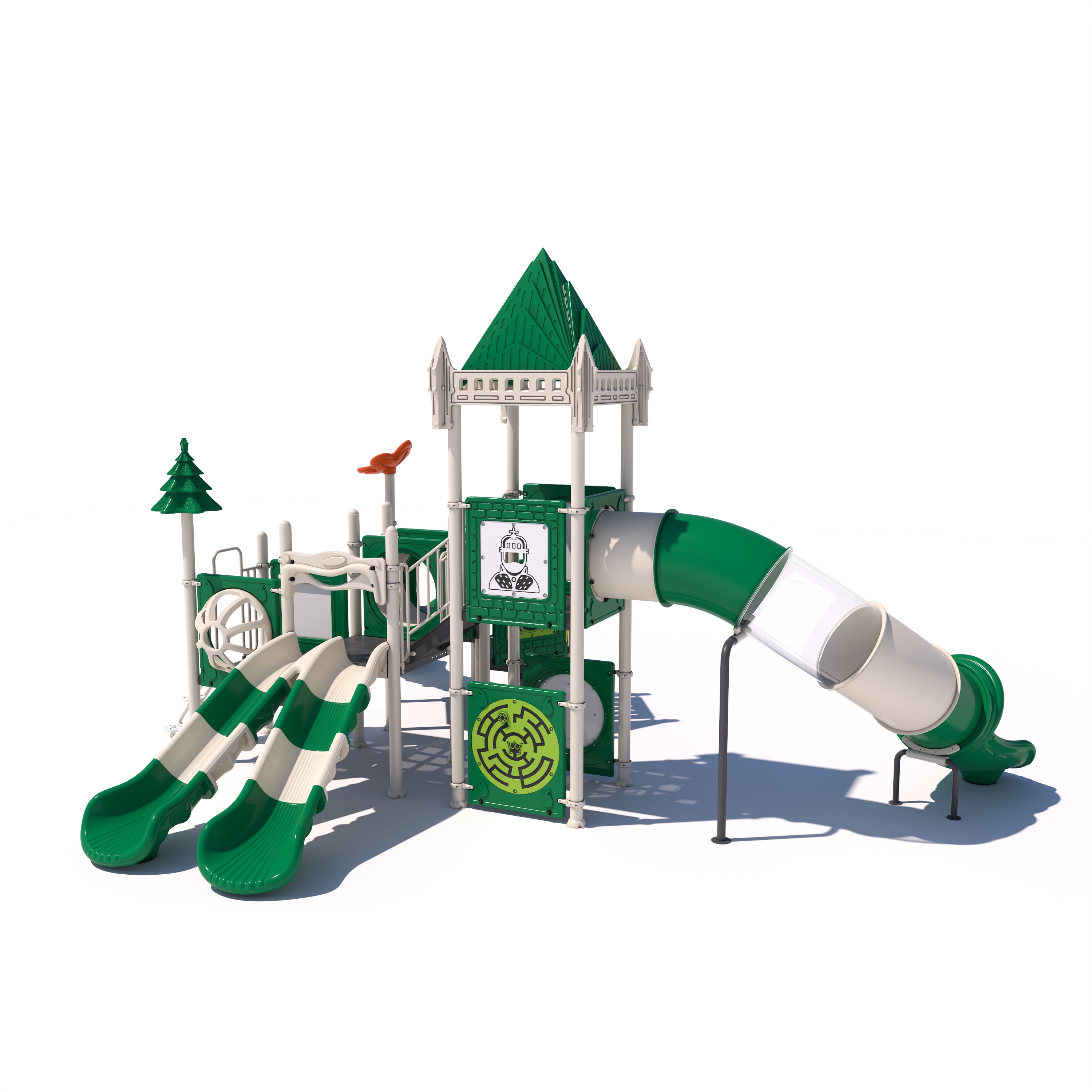
The concept of a children playground has undergone a profound transformation over the past several decades. What was once a simple arrangement of metal swings and a basic slide has evolved into a carefully engineered environment that balances physical activity, cognitive stimulation, social interaction, and safety. Educators, urban planners, child development specialists, and playground equipment manufacturers are now working in closer collaboration than ever before to ensure that every children playground delivers real developmental value alongside pure recreational joy.
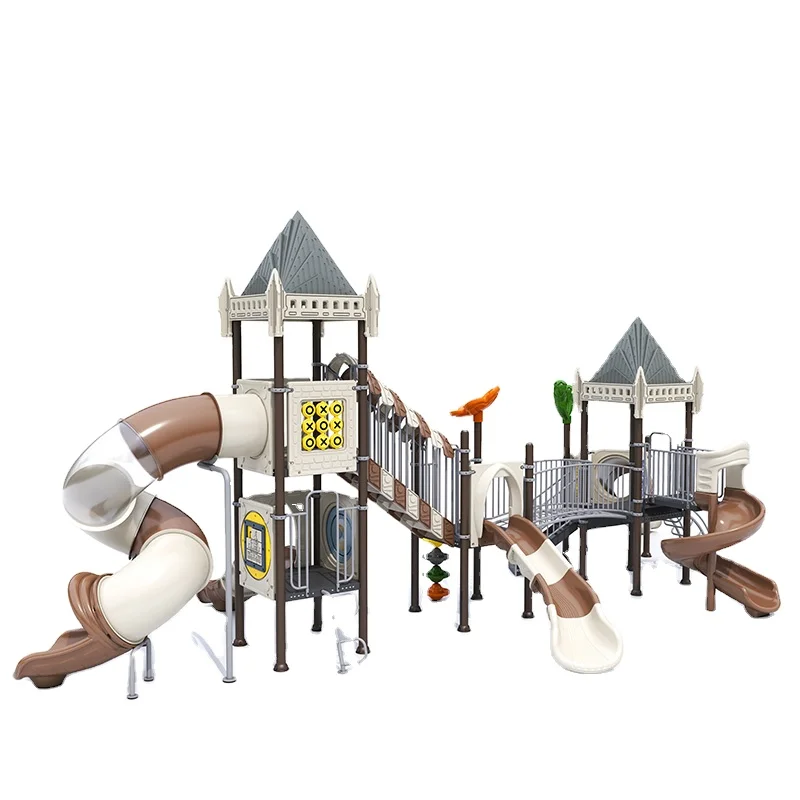
This evolution is not driven by aesthetics alone. It is shaped by advances in child psychology, changes in school curricula, growing urban density, heightened awareness of inclusive design, and new material science that allows for more durable, vibrant, and versatile structures. Understanding how the modern children playground has changed — and why — is essential for schools, municipalities, and facility managers who are investing in spaces that will serve children for years to come. This article explores the key dimensions of that evolution and offers practical insight into how contemporary playground design meets the full spectrum of modern educational and recreational needs.
The Shift from Simple Play to Developmental Design
From Passive Structures to Active Learning Environments
Early playground models were built almost exclusively around physical exercise. A standard children playground from the mid-twentieth century might include a metal slide, a set of swings, and a seesaw — all effective at promoting gross motor skills but limited in scope. As child development research advanced, it became clear that play is one of the most powerful vehicles for learning. Children develop language skills, problem-solving abilities, creativity, and emotional regulation through unstructured and semi-structured play. This insight fundamentally changed what designers expected a children playground to accomplish.
Modern playground designs now incorporate elements that challenge multiple developmental domains simultaneously. Climbing structures that require balance and coordination also encourage spatial reasoning. Sand and water play areas stimulate sensory exploration and early scientific thinking. Interactive panels with gears, musical instruments, or tactile surfaces layer cognitive engagement onto physical activity. The result is a children playground that functions more like an outdoor classroom than a simple exercise yard.
This developmental framing also influences the way equipment is arranged. Thoughtful spatial sequencing guides children through different zones — active, quiet, sensory, and social — giving them agency over their experience while also supporting transitions between different types of play. This kind of intentional layout is a hallmark of contemporary children playground design philosophy.
The Role of Play Theories in Shaping Modern Playgrounds
Several influential theories of play have shaped how educators and designers approach a modern children playground. Lev Vygotsky's concept of the zone of proximal development suggests that children learn best when they are slightly challenged beyond their current level. This has led to multi-level climbing structures and graduated difficulty pathways within a single playground system. Jean Piaget's stages of cognitive development have influenced age-segregated playground zones and the types of materials chosen for each group.
Risky play theory, championed by researchers like Ellen Beate Hansen Sandseter, argues that children need some degree of physical challenge and even manageable risk to develop resilience, confidence, and accurate self-assessment of their own abilities. This has led to the reintroduction of climbing structures with significant heights, wobbly bridges, and natural terrain features into the modern children playground, replacing the overly sanitized designs that dominated the 1990s and early 2000s.
Understanding these theoretical foundations helps school administrators and procurement officers recognize that choosing playground equipment is not merely a purchasing decision — it is a pedagogical one. A well-designed children playground embodies evidence-based principles about how children grow, learn, and thrive.
Inclusive Design and Universal Accessibility in Playground Planning
Designing Playgrounds That Welcome Every Child
One of the most significant shifts in modern children playground design is the move toward genuine inclusion. Earlier generations of playgrounds were built primarily for typically developing children, leaving those with physical, sensory, or cognitive differences with limited or no access to the same play experience. Today, inclusive design is not simply a legal requirement in many jurisdictions — it is a guiding principle that reflects a broader social commitment to equity in childhood experience.
An inclusive children playground features accessible surfacing such as rubber tiles or compacted engineered wood fiber that allow wheelchair users and children with mobility aids to navigate freely. Ramps run alongside or in place of stairs on climbing structures. Ground-level interactive panels, sensory gardens, and musical play elements ensure that children who cannot access elevated structures still have rich, engaging play opportunities. Wide transfer platforms allow children who use wheelchairs to move onto play equipment with dignity and independence.
Inclusive design also considers sensory processing differences. Quiet zones shielded from noise, tactile pathways, and visually distinct zones help children with sensory sensitivities navigate the children playground environment comfortably. When every child can participate, the social fabric of the playground strengthens — children learn empathy, cooperation, and mutual respect through shared play experiences that cross ability boundaries.
Age-Appropriate Zoning and Developmental Staging
Modern children playground planning increasingly incorporates clearly defined zones calibrated to different developmental stages. Toddler zones for children aged two to five feature low-to-the-ground structures, gentle slides, and sensory play elements suited to children who are still developing core strength and coordination. School-age zones for children aged five to twelve introduce more complex climbing systems, overhead ladders, spinning components, and collaborative play structures that require teamwork.
These age-appropriate zones reduce the risk of injury from developmental mismatches — a toddler attempting a structure designed for a ten-year-old, for example — while also maximizing the developmental benefit at each stage. Thoughtful zoning within a single children playground can serve multiple age groups simultaneously without compromising safety or developmental appropriateness for any of them. This is particularly valuable for schools, parks, and community centers that serve wide age ranges.
Buffer spaces between zones, clear sightlines for supervising adults, and transition areas where children of different ages can interact without competing for the same equipment are all features of well-executed developmental staging. These design choices reflect a sophisticated understanding of how children move through a children playground space and what they need at each stage of that journey.
Materials, Durability, and Sustainability in Modern Playground Equipment
The Transition from Metal and Wood to High-Performance Materials
The materials used in a children playground have changed dramatically over the decades. Early playgrounds relied heavily on galvanized steel and pressure-treated timber. While durable, these materials presented challenges — steel became dangerously hot in direct sunlight, and timber required constant maintenance to prevent rot, splintering, and structural degradation. The shift toward high-density polyethylene (HDPE) and UV-stabilized plastics, like those used in the children playground equipment available today, has addressed many of these issues comprehensively.
PE plastic components are resistant to fading, cracking, and moisture damage. They do not splinter, do not require painting or sealing, and maintain their structural integrity across a wide range of climatic conditions. Their inherent color stability means that a children playground retains its visual appeal and communicates its design intent — through color-coded zones or age-appropriate visual cues — over many years without repainting. This reduces long-term maintenance costs significantly, an important consideration for schools and municipalities operating within constrained budgets.
Modern structural frameworks often combine powder-coated steel posts with HDPE panels, decking, and slide components. This hybrid approach captures the strength and rigidity of steel while benefiting from the low-maintenance, child-friendly properties of engineered plastics. The result is a children playground that is built to last a generation while requiring minimal ongoing intervention.
Sustainability and Environmental Responsibility in Playground Design
Environmental sustainability has become an increasingly important consideration in children playground procurement decisions. Buyers are asking harder questions about where materials originate, how long structures will last before requiring replacement, and what happens to components at the end of their service life. Responsible manufacturers respond by using recycled content in plastic components, designing for disassembly, and providing clear documentation about material composition.
Natural play environments — sometimes called 'nature play' or 'nature-based playgrounds' — represent another dimension of sustainable playground thinking. These environments integrate living elements such as trees, shrubs, boulders, water features, and uneven terrain into the children playground landscape. They provide sensory richness, support biodiversity, and connect children with the natural world in ways that manufactured equipment alone cannot. They also tend to have lower embodied carbon footprints than fully manufactured systems.
Hybrid approaches that combine manufactured high-performance equipment with natural landscape elements are increasingly common in contemporary children playground design. This combination delivers the reliability, safety certification compliance, and maintenance predictability of engineered equipment alongside the developmental and ecological benefits of natural play settings.
Safety Standards, Regulatory Compliance, and Risk Management
How Safety Standards Have Shaped Playground Evolution
Safety compliance has been one of the most powerful drivers of change in children playground design. National and international standards — such as EN 1176 in Europe and ASTM F1487 in the United States — establish precise requirements for fall zone dimensions, maximum equipment heights, opening sizes that prevent head entrapment, surface impact attenuation, and structural integrity. These standards are updated periodically to reflect new injury data and evolving understanding of risk.
Compliance with these standards is not optional for reputable children playground suppliers. Certified equipment must pass rigorous testing before it can be sold into regulated markets. This testing regime gives procurement officers confidence that the structures they are purchasing have been independently verified against recognized benchmarks. It also provides legal protection for institutions — schools, local governments, and operators — who can demonstrate due diligence in their purchasing decisions.
The evolution of safety thinking has also shifted from a purely prescriptive 'eliminate all risk' approach toward a more nuanced 'manage risk appropriately' framework. Regulators and designers now recognize that a children playground with zero challenge also provides zero developmental benefit. The goal is to manage genuine hazards — those that can cause serious injury with no developmental trade-off — while preserving the managed risk that helps children learn their own limits and build confidence.
Surfacing, Fall Zones, and Impact Attenuation
The ground beneath a children playground is as important as the structures above it. Impact-attenuating surfacing — rubber tiles, poured-in-place rubber, engineered wood fiber, or sand — must meet minimum Critical Fall Height (CFH) ratings that correspond to the height of the equipment installed above. Selecting the wrong surfacing for a given equipment configuration is one of the most common compliance errors in playground installation.
Rubber surfacing options have grown considerably in quality and variety. Poured-in-place rubber allows for seamless, fully accessible surfaces with custom color patterns and integrated design elements. Interlocking rubber tiles offer easier replacement of damaged sections without full resurface costs. For a children playground in a budget-conscious setting, engineered wood fiber remains a cost-effective and compliant option when properly installed and maintained at minimum required depths.
Fall zone dimensions must extend beyond the perimeter of equipment by specified distances, and these zones must be kept clear of other equipment, fencing, and hard surfaces. Proper fall zone planning during the design phase prevents costly retrofitting later and ensures that the finished children playground remains compliant as usage patterns evolve over time.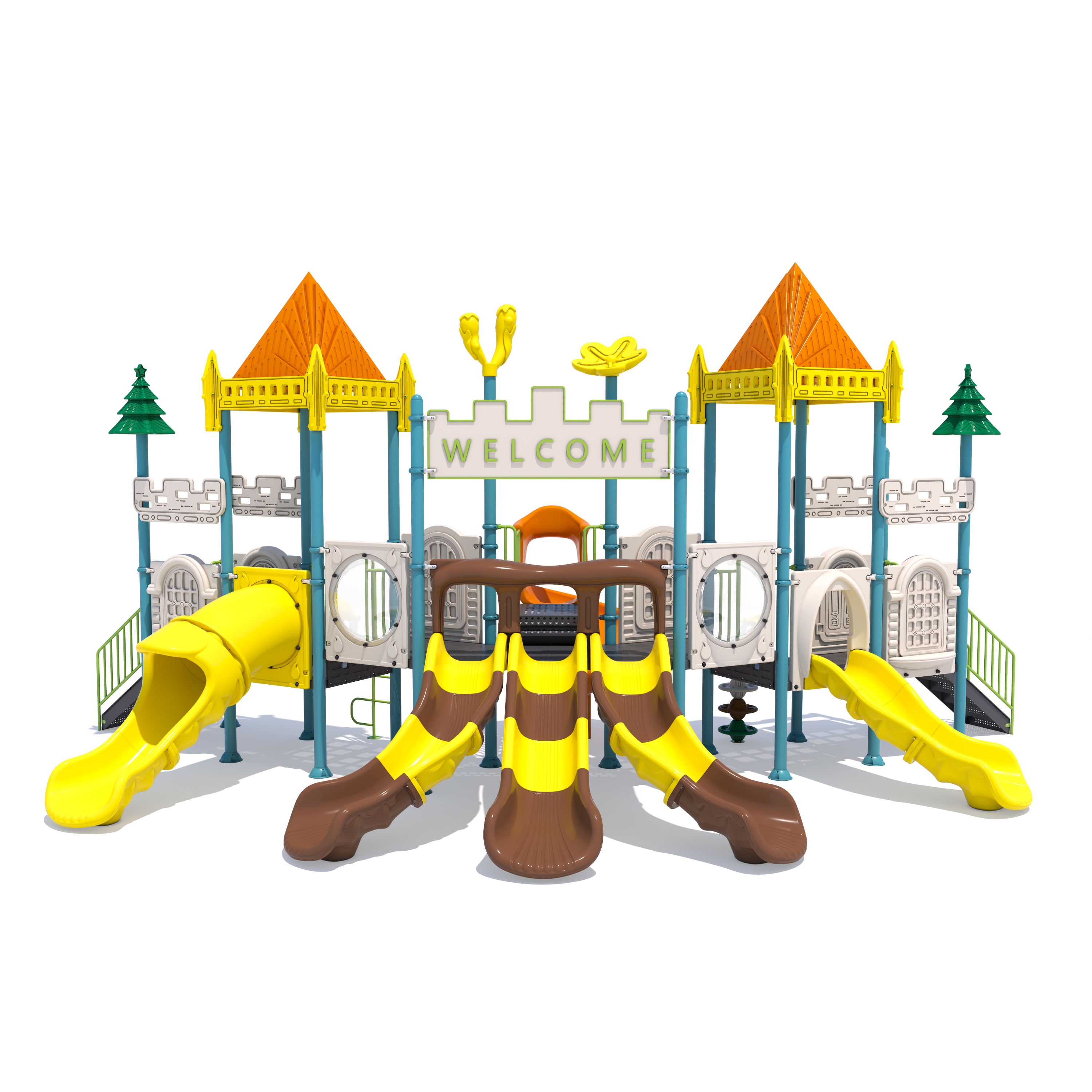
FAQ
What makes a children playground design truly educational?
A truly educational children playground incorporates elements that stimulate multiple developmental domains simultaneously. This includes sensory play components, spatial problem-solving structures, social collaboration opportunities, and age-appropriate physical challenges. Equipment that encourages open-ended, imaginative play — where there is no single correct way to engage — tends to deliver the richest educational value because it supports creativity, language development, and self-directed learning alongside physical development.
How often should a children playground be inspected for safety?
Most safety authorities recommend routine inspections of a children playground on at least three levels: daily visual checks by supervising staff, monthly operational inspections by a trained designee, and annual comprehensive inspections by a certified playground safety inspector. The frequency and depth of inspection should increase with the intensity of use and the age of the equipment. Inspection records should be maintained for liability documentation purposes.
What are the most important factors to consider when choosing equipment for a children playground?
Key factors include the age range of intended users, available space and layout constraints, compliance with relevant safety standards, material durability and maintenance requirements, budget for installation and long-term upkeep, and accessibility requirements. A well-specified children playground balances all of these factors simultaneously rather than optimizing for any single dimension at the expense of others. Engaging a qualified playground designer or consultant early in the process typically leads to better outcomes.
How does inclusive design benefit all children in a playground, not just those with disabilities?
Inclusive children playground design benefits all children because the principles that make a space accessible — clear pathways, sensory variety, multiple entry and exit points, graduated challenge levels — also make it more engaging and navigable for every child. Children without disabilities gain empathy and social competence by playing alongside peers with different abilities. Sensory-rich environments, wider platforms, and varied play themes that are hallmarks of inclusive design enrich the experience for the entire user population, not only for those who require accommodation.
Table of Contents
- The Shift from Simple Play to Developmental Design
- Inclusive Design and Universal Accessibility in Playground Planning
- Materials, Durability, and Sustainability in Modern Playground Equipment
- Safety Standards, Regulatory Compliance, and Risk Management
-
FAQ
- What makes a children playground design truly educational?
- How often should a children playground be inspected for safety?
- What are the most important factors to consider when choosing equipment for a children playground?
- How does inclusive design benefit all children in a playground, not just those with disabilities?