
 EN
EN


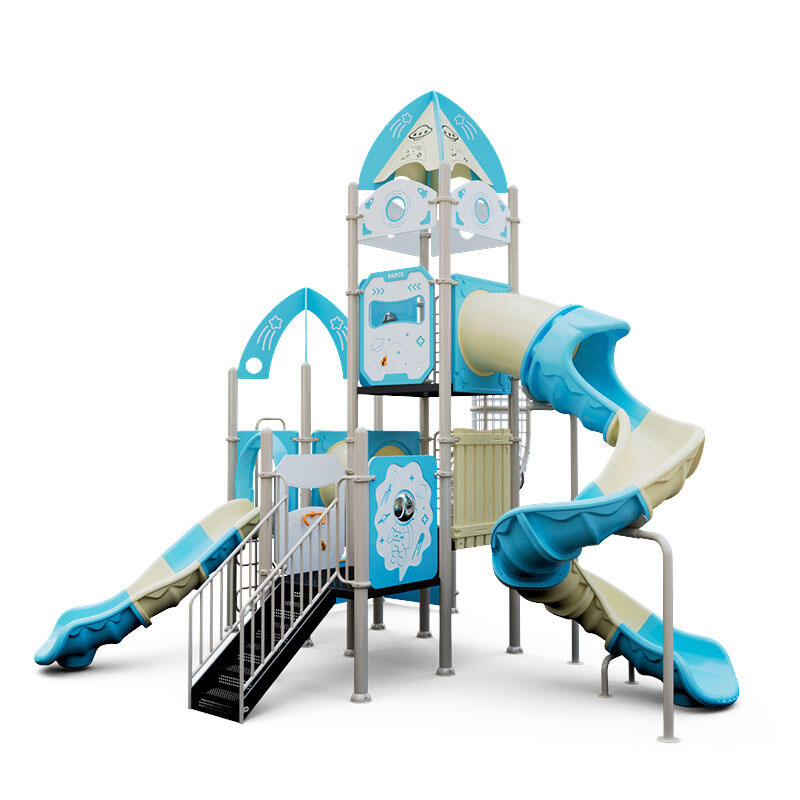
The concept of the outdoor playground has undergone a remarkable transformation over the past few decades. What was once a simple arrangement of metal swings, a slide, and a sandpit has evolved into a sophisticated, multifunctional space designed to serve the diverse needs of modern communities. Families, urban planners, schools, and park managers are all paying close attention to how recreational infrastructure must change to reflect contemporary values around child development, inclusivity, environmental sustainability, and community well-being. Understanding how these trends evolve is essential for anyone involved in designing, purchasing, or managing public play spaces.
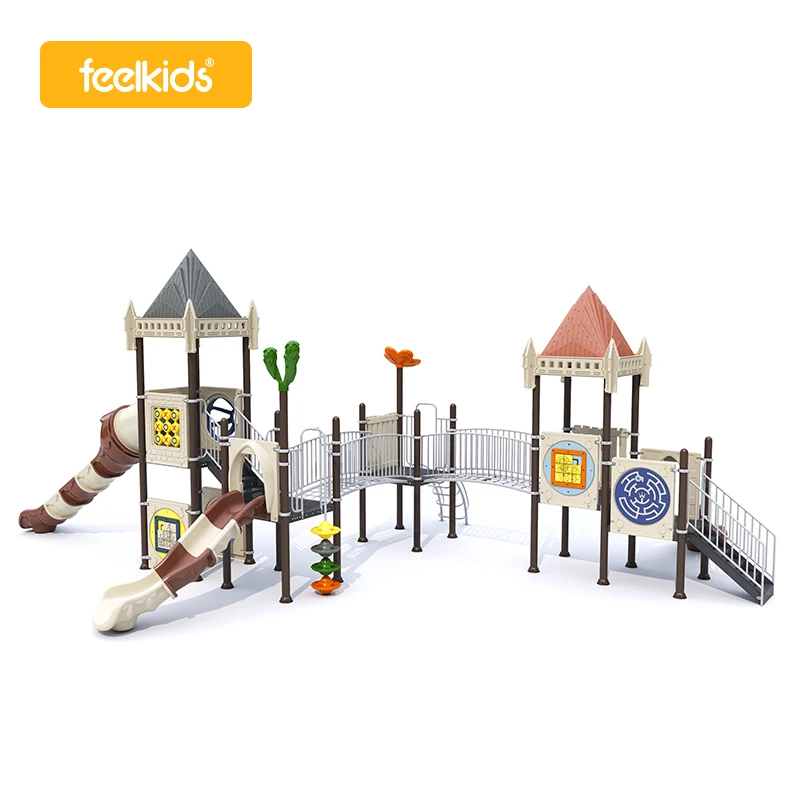
Every generation redefines what a meaningful outdoor playground experience looks like. Today's communities are demanding far more than physical activity from their recreational spaces. They want environments that stimulate imagination, encourage social interaction across age groups, promote sensory development, and reflect the cultural identity of the neighborhoods they serve. The evolution of outdoor play spaces is not merely aesthetic — it represents a fundamental shift in how society understands the role of play in healthy human development and community cohesion.
The Historical Shift in Outdoor Play Design
From Functional to Experiential Design
For much of the twentieth century, the outdoor playground was built primarily around physical fitness and basic motor skill development. Equipment was standardized, durable, and utilitarian. Steel frames dominated the landscape, and safety considerations were often secondary to cost efficiency. As research on child psychology and developmental science advanced, designers began to recognize that play spaces need to offer much more than climbing and sliding.
The experiential design movement introduced the idea that an outdoor playground should stimulate multiple senses and spark curiosity. Textures, colors, sounds, and interactive features became central to new installations. This shift acknowledged that children learn through play in profound ways — cognitively, emotionally, and socially — and that the built environment of a play space could either nurture or limit that growth.
Today, equipment such as multi-activity centers, themed play structures, and nature-inspired installations reflect the philosophy that play is not just recreation but a developmental tool. The outdoor playground has become a canvas for educational and imaginative engagement rather than a collection of isolated apparatus.
The Impact of Urban Densification on Play Space Planning
As cities grow denser and private garden space shrinks, the public outdoor playground becomes an increasingly vital community resource. Urban planners are under pressure to maximize recreational value within smaller footprints. This constraint has driven innovation in compact, modular, and vertically integrated play equipment that can serve a large number of users without consuming excessive land area.
The challenge of urban densification has also pushed designers to think more creatively about where play spaces are located. Rooftop parks, pocket parks within residential developments, and linear play corridors along pedestrian paths are all emerging responses to land scarcity. In each of these contexts, the outdoor playground must be adaptable, visually engaging, and capable of serving children at various developmental stages simultaneously.
Municipal procurement officers and facility managers increasingly evaluate outdoor playground investments not just on cost but on spatial efficiency, lifespan, and the breadth of developmental benefits offered. Modular systems that can be expanded or reconfigured over time are gaining significant traction in both public and private sector projects.
Inclusivity and Accessibility as Core Design Principles
Universal Design in Modern Play Spaces
One of the most consequential trends reshaping the modern outdoor playground is the widespread adoption of universal design principles. Inclusive play is no longer an optional add-on — it is increasingly a baseline expectation in community recreation planning. Inclusive design ensures that children of all physical abilities, sensory profiles, and cognitive development levels can participate meaningfully in the same play environment.
This means that a contemporary outdoor playground must incorporate ramp access to elevated platforms, sensory play panels for children with visual or auditory needs, ground-level play elements for wheelchair users, and equipment that supports rather than excludes children with autism spectrum conditions. The goal is a space where no child feels marginalised by the physical layout of the play environment.
For B2B buyers such as school administrators, local government procurement teams, and park developers, specifying inclusive outdoor playground equipment is increasingly tied to compliance requirements, grant eligibility, and community reputation. The business case for inclusive design is therefore both ethical and commercial.
Designing for Multigenerational Engagement
Modern communities are recognizing that an outdoor playground should not exist in isolation from the broader social environment. Multigenerational design — which considers the needs of parents, grandparents, teenagers, and adults alongside young children — is gaining momentum as a planning philosophy. When a play space invites adults to sit comfortably, engage with children, or even participate in light physical activity, it becomes a genuine community gathering point rather than simply a children's zone.
Features such as adjacent seating with sightlines to the play area, fitness stations for older users positioned near children's equipment, and shaded rest areas all contribute to a multigenerational outdoor playground experience. These additions increase dwell time, encourage social connection, and signal to the community that the space belongs to everyone.
From a procurement perspective, multigenerational design also enhances the return on investment for public and private clients, since the space attracts a wider user base and generates more consistent usage throughout the day and across different seasons.
Sustainability and Material Innovation in Play Equipment
Eco-Conscious Material Selection
Environmental sustainability has become a powerful driver of change in how the outdoor playground is planned, specified, and installed. Communities and organizations are increasingly scrutinizing the lifecycle impact of play equipment — from raw material extraction through manufacturing, installation, and eventual disposal. This scrutiny is reshaping material preferences and procurement criteria across the industry.
High-density polyethylene (HDPE) and other engineered plastics made from recycled materials are growing in popularity as sustainable alternatives to virgin steel or timber. These materials offer durability, weather resistance, and lower maintenance requirements while reducing dependence on virgin resources. Modern outdoor playground structures built with PE board panels and similar engineered materials can withstand decades of outdoor use with minimal upkeep, making them a cost-effective and environmentally responsible choice.
Specifiers are also paying attention to the coatings, sealants, and adhesives used in outdoor playground construction, opting for low-VOC and non-toxic finishes that protect both the environment and the children who interact with the equipment. Transparency in material sourcing and third-party environmental certifications are becoming standard expectations in B2B procurement dialogues.
Nature-Based and Biophilic Play Design
The biophilic design movement — which seeks to reconnect human environments with the natural world — has had a profound influence on contemporary outdoor playground thinking. Nature-based play environments incorporate organic forms, natural textures, water and sand elements, plantings, and earth mounds to create play experiences that feel connected to the living world rather than artificially constructed.
Research consistently shows that exposure to natural environments during childhood supports emotional regulation, creativity, and stress reduction. A nature-informed outdoor playground can therefore deliver measurable developmental benefits beyond what conventional manufactured equipment provides. This is particularly relevant in urban contexts where children may have limited access to natural landscapes in their daily lives.
Hybrid designs that blend manufactured equipment — such as plastic multi-play structures and activity centers — with natural elements like timber stepping stones, sensory gardens, and water channels are increasingly common in high-quality outdoor playground installations. This approach allows communities to combine the safety, durability, and accessibility of manufactured equipment with the developmental richness of nature-based play.
Technology Integration and the Smart Playground
Interactive and Digital Play Elements
Technology is beginning to reshape what is possible within the outdoor playground environment, though its integration must be approached thoughtfully to avoid undermining the physical and social benefits that outdoor play naturally provides. Interactive musical instruments, digitally activated game panels, QR-code discovery trails, and augmented reality overlays are all examples of technology-enhanced features that have appeared in progressive play installations.
The key design principle when integrating technology into an outdoor playground is that it should enhance physical activity and social collaboration rather than replace them. Technology-driven elements that encourage children to move, cooperate, and problem-solve together align with the developmental goals of quality outdoor play. Passive screen-based features that reduce physical engagement are widely regarded as counterproductive in this context.
For B2B clients, technology-integrated outdoor playground features can be a differentiating investment — particularly for schools, family entertainment centers, or residential developments seeking to position their play spaces as premium offerings. The novelty value of interactive elements also increases the likelihood of sustained community engagement over time.
Data-Driven Play Space Management
Smart sensors and IoT-enabled monitoring systems are emerging as management tools for high-traffic outdoor playground environments. These technologies can track equipment usage frequency, identify wear patterns, alert maintenance teams to safety concerns, and generate data that supports evidence-based decisions about future investment and redesign.
For large-scale public sector clients managing multiple outdoor playground sites across a municipality or school district, data-driven maintenance management can reduce operational costs and improve safety compliance. Rather than relying on scheduled inspections alone, smart monitoring enables proactive maintenance responses based on actual usage and condition data.
The adoption of these technologies is still in its early stages for most outdoor playground operators, but interest is growing rapidly as the cost of sensing hardware decreases and the value of data-driven facility management becomes more widely understood across public and private sector organizations.
FAQ
What factors are driving the evolution of outdoor playground design in modern communities?
Several interconnected forces are reshaping how the outdoor playground is designed and procured. These include growing awareness of child development research, increasing demand for inclusive access, urban space constraints, sustainability priorities, and community expectations for multigenerational usability. Regulatory changes and competitive pressures in the B2B marketplace are also accelerating the adoption of new standards and design philosophies.
How does inclusive design affect outdoor playground procurement decisions?
Inclusive design has moved from being a desirable feature to a baseline requirement in many procurement contexts. Schools, municipalities, and private developers are increasingly expected to demonstrate that their outdoor playground specifications meet accessibility standards and cater to children with a wide range of physical and cognitive needs. Failure to meet these expectations can result in compliance issues, loss of funding eligibility, and reputational risk.
Why are sustainable materials becoming more important in outdoor playground specifications?
Sustainability considerations in outdoor playground procurement reflect both regulatory pressure and a genuine shift in community values. Buyers are scrutinizing the environmental footprint of their investments more carefully than in previous generations. Materials that offer long service lives, low maintenance needs, recycled content, and non-toxic finishes are increasingly preferred, as they align with broader sustainability goals while delivering strong long-term value.
How can a community assess whether its current outdoor playground meets modern standards?
A thorough assessment of an existing outdoor playground should consider several dimensions: physical safety and compliance with current standards, inclusivity for children of all abilities, the range of developmental experiences offered, the environmental credentials of the materials and surfaces, and the degree to which the space serves users of different ages. Engaging a specialist play space consultant alongside equipment suppliers can help communities identify gaps and develop a phased upgrade plan that aligns with available budgets and community priorities.
Table of Contents
- The Historical Shift in Outdoor Play Design
- Inclusivity and Accessibility as Core Design Principles
- Sustainability and Material Innovation in Play Equipment
- Technology Integration and the Smart Playground
-
FAQ
- What factors are driving the evolution of outdoor playground design in modern communities?
- How does inclusive design affect outdoor playground procurement decisions?
- Why are sustainable materials becoming more important in outdoor playground specifications?
- How can a community assess whether its current outdoor playground meets modern standards?