
 EN
EN


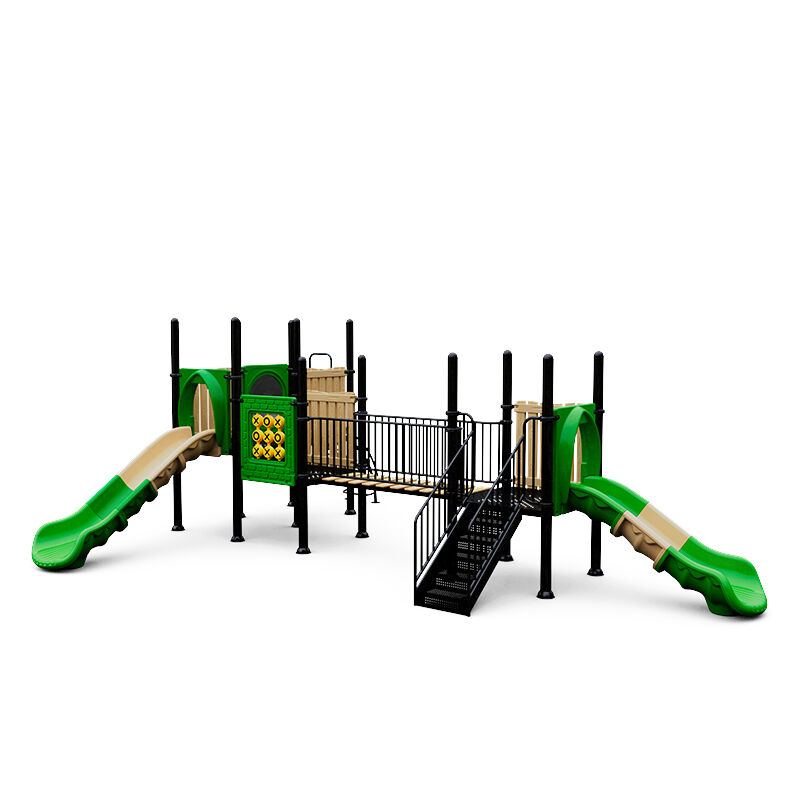
An outdoor playground is a long-term investment that serves children, communities, schools, and commercial facilities for years — sometimes decades. Yet the actual lifespan and usability of any outdoor playground installation depend far less on the initial build quality alone and far more on the consistency and intelligence of ongoing maintenance. Understanding what maintenance considerations truly affect long-term usability is essential for facility managers, procurement teams, and property owners who want to protect both their investment and the safety of every child who uses the space.
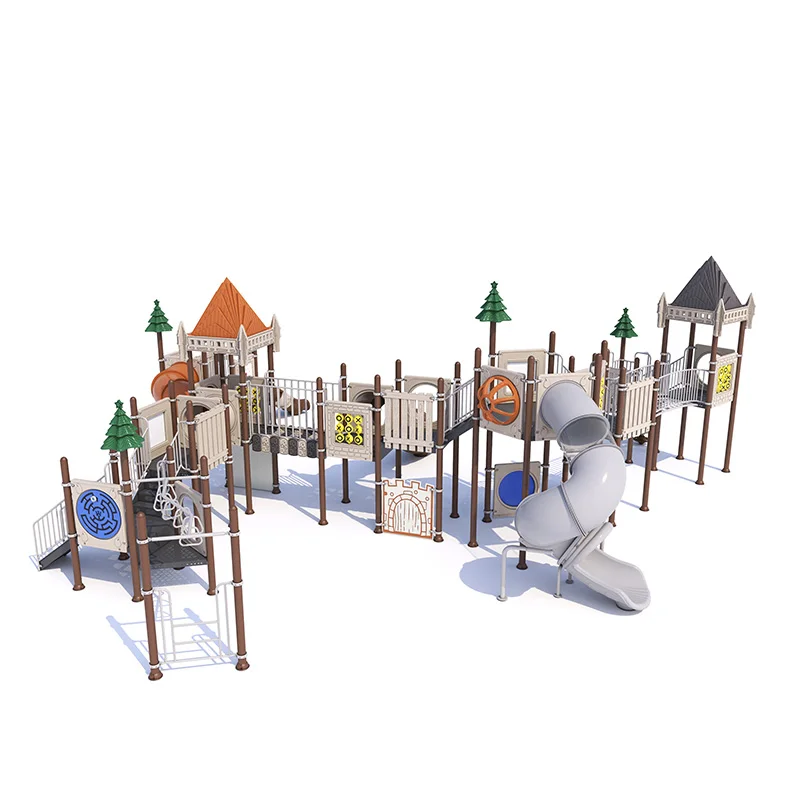
The relationship between maintenance and usability is direct and measurable. An outdoor playground that receives structured, proactive care retains its structural integrity, aesthetic appeal, and compliance with safety standards over time. One that is neglected — even if originally built with premium materials — will deteriorate faster, generate liability risks, and ultimately require costly replacement far sooner than necessary. This article examines the key maintenance considerations that determine whether an outdoor playground remains fully functional, safe, and enjoyable across its intended service life.
Structural Integrity and Hardware Inspection
Why Structural Checks Must Be Systematic
The structural framework of an outdoor playground bears the full weight of active play, weather exposure, and daily mechanical stress. Over time, joints loosen, fasteners corrode, and load-bearing components develop micro-fatigue that is invisible to casual observation. A systematic inspection schedule — typically monthly for high-traffic installations and quarterly for lower-use sites — is the foundation of any credible maintenance program.
Inspectors should examine every connection point, including bolts, nuts, clamps, and welded joints, for signs of loosening, corrosion, or deformation. Galvanized steel pipes, which are commonly used in commercial outdoor playground equipment, offer strong corrosion resistance, but the protective coating can be compromised by physical impact or prolonged moisture exposure. Any breach in the galvanized layer should be treated promptly to prevent rust propagation into the structural core.
Documentation is equally important. Maintaining a written log of each inspection, including findings and corrective actions, creates an accountability trail that supports warranty claims, insurance requirements, and regulatory compliance. Facilities that skip documentation often find themselves unable to demonstrate due diligence when incidents occur.
Identifying Early Signs of Structural Degradation
Early detection of structural degradation is far more cost-effective than reactive repair. On an outdoor playground, warning signs include visible rust streaks running from fastener points, wobbling or shifting of vertical posts, cracking sounds during normal use, and visible deformation in horizontal beams or platform supports. None of these should be dismissed as cosmetic issues.
PE board panels, which are widely used for decking, walls, and activity surfaces on modern outdoor playground equipment, are highly durable but can develop stress fractures if subjected to repeated impact in cold temperatures. Inspectors should check panel edges and mounting points for hairline cracks, particularly after winter seasons in colder climates. Catching these early prevents panel failure during active use.
Slide structures deserve particular attention because they combine structural load with dynamic movement. The slide channel, support brackets, and entry platform must all be checked for alignment and secure attachment. A slide that has shifted even slightly from its original alignment can create pinch points or impact hazards that compromise the safety of the entire outdoor playground.
Surface and Material Maintenance
Managing Wear on Play Surfaces
The surfaces of an outdoor playground — including slides, climbing panels, platforms, and ground-level impact zones — experience the most direct wear from daily use. High-density polyethylene and similar engineered plastics used in quality outdoor playground equipment are designed to resist UV degradation, but prolonged sun exposure still causes gradual color fading and surface brittleness over many years. Applying UV-protective treatments where manufacturer guidelines permit can extend the visual and functional life of these surfaces.
Slide surfaces require specific attention because friction wear affects both the play experience and safety. A slide that has become excessively rough due to surface degradation can cause abrasion injuries, while one that has become too smooth due to polishing wear may allow uncontrolled descent speeds. Regular tactile inspection of slide surfaces helps identify when resurfacing or component replacement is warranted.
Ground-level impact surfaces — whether rubber tiles, engineered wood fiber, or poured-in-place rubber — are critical safety components of any outdoor playground. These surfaces must maintain adequate depth and coverage to meet fall-height attenuation standards. Displacement from heavy use, compaction over time, and drainage issues all reduce impact absorption performance. Raking, replenishment, and periodic depth testing are non-negotiable maintenance tasks for any compliant outdoor playground installation.
Cleaning Protocols and Their Role in Longevity
Cleaning is often underestimated as a maintenance consideration, but it plays a direct role in the long-term usability of an outdoor playground. Organic debris — leaves, bird droppings, algae, and mold — accumulates on horizontal surfaces and in joints, retaining moisture and accelerating corrosion and material degradation. A regular cleaning schedule using appropriate non-abrasive, non-corrosive cleaning agents removes these agents before they cause lasting damage.
Metal components should be cleaned and dried thoroughly, particularly in humid or coastal environments where salt air accelerates oxidation. Plastic components benefit from periodic washing to remove surface contaminants that can degrade UV stabilizers over time. Cleaning also provides an opportunity for visual inspection, making it a dual-purpose maintenance activity that maximizes the value of each service visit to the outdoor playground.
Drainage around and beneath the outdoor playground structure must also be maintained. Standing water accelerates corrosion of metal anchor points, softens ground surfaces, and creates slip hazards. Ensuring that drainage channels remain clear and that the surrounding grade directs water away from the installation is a simple but impactful maintenance measure.
Safety Compliance and Regulatory Maintenance
Keeping Pace with Safety Standards
Safety standards for outdoor playground equipment are not static. Regulatory bodies and industry organizations periodically update guidelines to reflect new research on injury patterns, material performance, and design best practices. Facility operators have a responsibility to stay informed about applicable standards in their jurisdiction and to assess whether their existing outdoor playground installation remains compliant as standards evolve.
Annual professional inspections by a certified playground safety inspector provide an objective assessment of compliance status. These inspections go beyond routine visual checks to include measurements of critical dimensions such as fall zones, entrapment openings, and protrusion heights. Any non-conformance identified during a professional inspection should be addressed promptly, as continued operation of a non-compliant outdoor playground creates significant liability exposure.
Maintenance records play a central role in demonstrating compliance. When an outdoor playground is inspected by a regulatory authority or when an incident triggers a legal review, the ability to produce complete, accurate maintenance logs is a critical form of protection. Facilities that maintain thorough records consistently demonstrate a higher standard of duty of care.
Age-Related Compliance Considerations
As an outdoor playground ages, certain components may no longer meet current standards even if they were fully compliant at the time of installation. This is particularly relevant for older installations where entrapment geometry standards, fall zone requirements, or surfacing depth specifications have been updated since the original build. A proactive approach involves scheduling a comprehensive compliance review every five years, regardless of the apparent physical condition of the equipment.
Component replacement is often a more cost-effective path to compliance than full replacement of the outdoor playground. Modular equipment designs allow individual panels, platforms, slides, and climbing elements to be swapped out independently, extending the overall service life of the installation while bringing specific components into alignment with current standards. This approach also allows facilities to refresh the play value of the outdoor playground without the capital expenditure of a complete reinstallation.
Environmental Factors and Seasonal Maintenance
Adapting Maintenance to Climate Conditions
The environment in which an outdoor playground is installed has a profound effect on the maintenance requirements and the rate of material degradation. Installations in high-UV environments experience faster color fading and surface brittleness in plastic components. Coastal installations face accelerated corrosion from salt-laden air. Cold-climate installations must contend with freeze-thaw cycles that stress anchor points and surface materials. Each of these environmental profiles demands a tailored maintenance approach.
In regions with distinct seasons, a pre-winter inspection and a post-winter inspection should be standard practice for any outdoor playground. Before winter, operators should check that all drainage is clear, that no standing water is present near anchor points, and that any surface treatments are intact. After winter, the focus shifts to identifying frost heave in anchor foundations, checking for cracking in plastic components caused by thermal contraction, and assessing whether impact surfacing has been displaced by freeze-thaw movement.
High-wind environments introduce additional structural stress that accelerates fastener fatigue. Outdoor playground installations in exposed locations should have their fastener torque checked more frequently than sheltered installations, and any wind-driven debris that accumulates in joints or drainage channels should be cleared promptly to prevent moisture retention.
Vegetation Management Around the Installation
The landscape surrounding an outdoor playground is a maintenance consideration that is frequently overlooked until it becomes a problem. Tree roots can displace anchor foundations and impact surfacing over time. Overhanging branches deposit organic debris and create shading conditions that promote algae and mold growth on equipment surfaces. Grass and weeds growing through impact surfacing reduce its effectiveness and create trip hazards.
A vegetation management plan that includes regular trimming of surrounding plants, root barrier installation where necessary, and periodic removal of organic debris from the outdoor playground surface area is a practical and cost-effective maintenance measure. Keeping the immediate environment of the outdoor playground clean and well-managed also contributes to the overall perception of safety and care that encourages continued use by families and children.
Maintenance Planning and Lifecycle Management
Building a Structured Maintenance Program
Ad hoc maintenance — responding only when something visibly breaks — is the most expensive and least effective approach to managing an outdoor playground installation. A structured maintenance program, built around a documented schedule of routine inspections, cleaning, lubrication, and component checks, dramatically reduces the frequency and cost of reactive repairs while extending the usable life of the installation.
A well-designed maintenance program for an outdoor playground typically includes daily visual checks by on-site staff, monthly detailed inspections by a trained maintenance technician, annual professional safety inspections, and a five-year comprehensive compliance and lifecycle review. Each level of inspection has a defined scope, a documentation requirement, and a clear escalation path for issues that exceed the inspector's authority to resolve independently.
Budget planning is an integral part of lifecycle management. Facility operators who allocate a dedicated annual maintenance budget for their outdoor playground — typically calculated as a percentage of the original installation cost — are far better positioned to address issues promptly and to fund planned component replacements before failures occur. This financial discipline is what separates outdoor playground installations that last twenty years from those that require full replacement after ten.
Knowing When Repair Becomes Replacement
Even with excellent maintenance, every outdoor playground installation eventually reaches a point where the cost and complexity of ongoing repair exceeds the value of continued operation. Recognizing this threshold requires honest assessment of cumulative structural fatigue, the availability of replacement components for older equipment models, and the gap between the current installation's capabilities and the evolving expectations of users and regulators.
A useful decision framework involves comparing the projected cost of repairs needed over the next three to five years against the cost of a new outdoor playground installation. When repair costs approach or exceed fifty percent of replacement cost, and when the existing installation no longer meets current safety standards without significant modification, replacement is typically the more prudent long-term investment.
Planning for replacement well in advance — rather than waiting for a critical failure — allows facilities to budget appropriately, engage in a thoughtful procurement process, and minimize the period during which the outdoor playground is unavailable to users. This forward-looking approach is the hallmark of professional facility management and reflects a genuine commitment to the communities that depend on quality outdoor playground access.
FAQ
How often should an outdoor playground be professionally inspected?
A professional safety inspection by a certified playground safety inspector should be conducted at least once per year for any outdoor playground installation. High-traffic installations, such as those in schools or public parks, may benefit from semi-annual professional inspections in addition to the routine monthly checks performed by trained on-site staff. The frequency should also increase following severe weather events or any incident involving equipment damage.
What are the most common causes of premature deterioration in outdoor playground equipment?
The most common causes of premature deterioration in an outdoor playground include inadequate drainage leading to persistent moisture around anchor points, neglected fastener maintenance allowing corrosion to spread from connection points into structural members, insufficient cleaning allowing organic debris to retain moisture against metal and plastic surfaces, and failure to address minor damage promptly before it escalates. Environmental factors such as high UV exposure, coastal salt air, and freeze-thaw cycles accelerate deterioration when maintenance protocols are not adapted to local conditions.
Can individual components of an outdoor playground be replaced without full reinstallation?
Yes, most modern commercial outdoor playground systems are designed with modular architecture that allows individual components — including slides, climbing panels, platform decks, and activity elements — to be replaced independently. This modularity is a significant advantage for long-term maintenance planning because it allows facilities to address specific wear or compliance issues without the cost and disruption of a complete reinstallation. It also enables incremental upgrades that extend the play value and relevance of the outdoor playground over time.
What role does impact surfacing maintenance play in outdoor playground safety compliance?
Impact surfacing is one of the most safety-critical components of any outdoor playground, as it is the primary means of attenuating fall energy and reducing the severity of injuries from falls. Maintaining adequate depth, coverage, and drainage performance in impact surfacing is a direct compliance requirement under most applicable safety standards. Loose-fill materials such as engineered wood fiber require regular raking and replenishment to compensate for displacement and compaction. Unitary surfaces such as rubber tiles or poured-in-place rubber require inspection for tears, lifting edges, and drainage blockages. Neglecting impact surfacing maintenance is one of the most common and consequential compliance failures in outdoor playground management.
Table of Contents
- Structural Integrity and Hardware Inspection
- Surface and Material Maintenance
- Safety Compliance and Regulatory Maintenance
- Environmental Factors and Seasonal Maintenance
- Maintenance Planning and Lifecycle Management
-
FAQ
- How often should an outdoor playground be professionally inspected?
- What are the most common causes of premature deterioration in outdoor playground equipment?
- Can individual components of an outdoor playground be replaced without full reinstallation?
- What role does impact surfacing maintenance play in outdoor playground safety compliance?