
 EN
EN


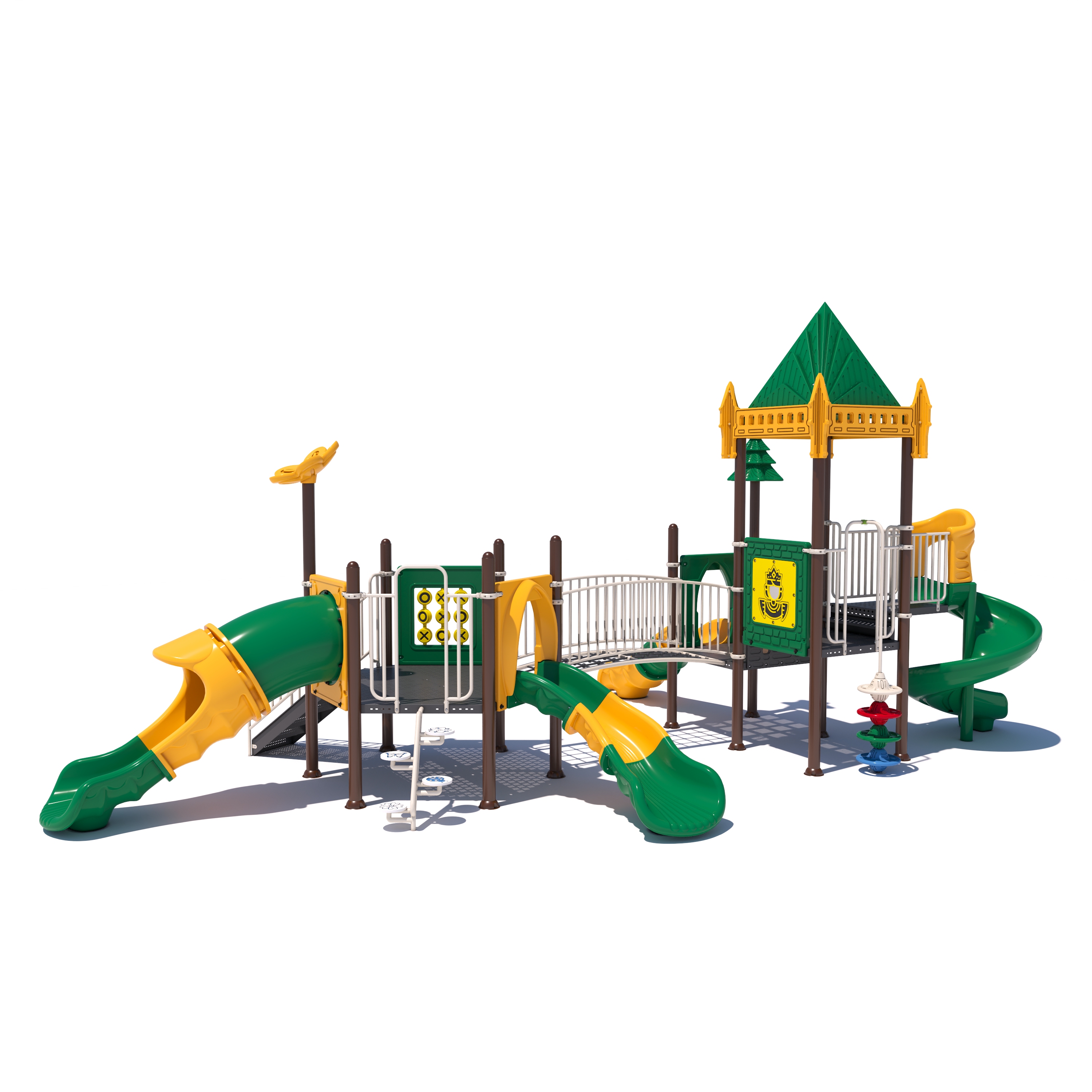
The modern park playground has become much more than a collection of swings and slides. Over the past decade, urban communities around the world have fundamentally rethought how recreational spaces serve children, families, and entire neighborhoods. These shifts are not accidental — they mirror deeper social, environmental, and demographic changes reshaping the way people live in cities. Understanding these trends helps planners, schools, and property developers make smarter investment decisions that genuinely serve their communities.
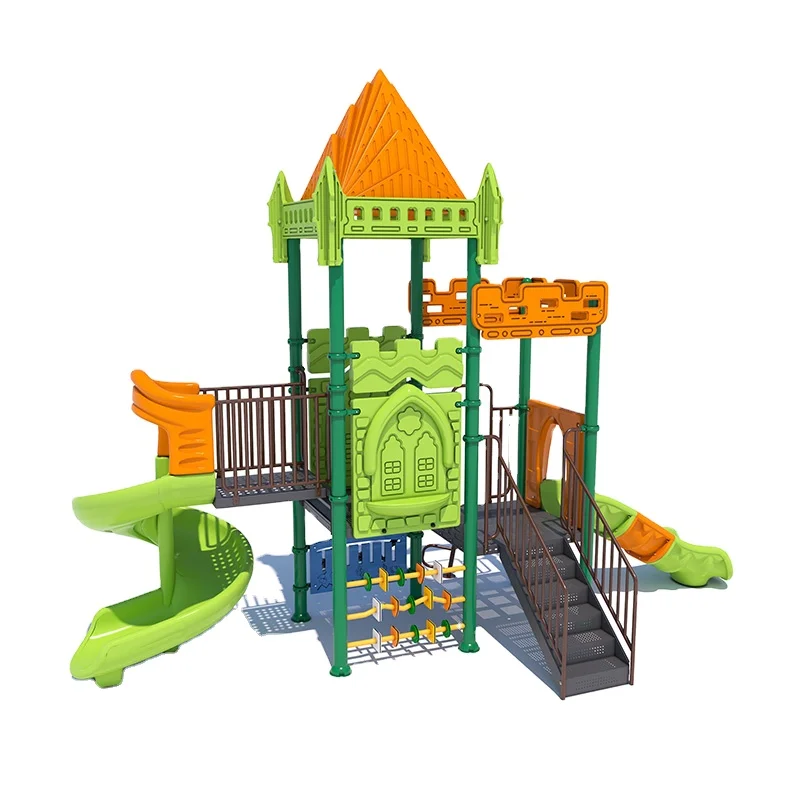
As urban density increases and outdoor space becomes more valuable, the park playground is evolving from a simple amenity into a strategic community asset. Designers, local governments, and facility managers are responding to rising expectations around inclusivity, environmental responsibility, active play, and multi-generational engagement. The trends shaping park playgrounds today tell a compelling story about what urban populations truly need from their shared public spaces — and how those needs are changing faster than ever before.
The Shift from Traditional to Inclusive Design in Park Playgrounds
Moving Beyond One-Size-Fits-All Equipment
For decades, the standard park playground followed a predictable formula: a metal swing set, a plastic slide, and perhaps a climbing frame. These designs catered primarily to able-bodied children within a narrow age range. Today, urban planners and recreation specialists recognize that this approach excluded large portions of the population — children with physical disabilities, younger toddlers, older children seeking challenge, and adults who supervise or simply wish to enjoy the space alongside their families.
Inclusive design in the park playground context means creating environments where children of all abilities can play alongside each other with minimal barriers. This includes ground-level play panels, sensory-rich equipment, wide ramp access, and equipment that accommodates wheelchairs without isolating users. The shift also reflects broader legal and ethical awareness, with accessibility standards becoming more rigorous in many urban planning codes globally.
The practical impact is that modern park playground projects require planners to consult with disability advocates, occupational therapists, and community groups before specifying equipment. It is no longer sufficient to add a single accessible swing and consider the job done. Truly inclusive design weaves accessibility into every element of the environment, from the surface material underfoot to the sightlines that allow caregivers to maintain visual contact with children across the entire space.
Multi-Age and Multi-Generational Engagement
Another defining trend in park playground development is the deliberate effort to accommodate users across a wider age spectrum. Urban families increasingly include multiple generations who visit the park together, including grandparents, parents, toddlers, and school-age children. Designing spaces that offer meaningful engagement for each of these groups creates stronger reasons to visit and longer duration of stay, which builds community cohesion over time.
This multi-generational approach is reflected in equipment choices that blend active climbing structures for energetic older children with quieter sensory or imaginative play zones for younger children and more contemplative adults. Seating integrated directly into the play area — rather than relegated to a distant bench — signals that adult participation is welcome, not just adult supervision. Park playground installations that include musical elements, art features, or collaborative games invite adults to play alongside children, not just watch from a distance.
Urban communities are also responding to aging population trends. As the proportion of older adults in many cities grows, there is rising interest in fitness equipment and gentle activity stations installed adjacent to or within the park playground footprint. This convergence of children's play and adult wellness creates a richer public space that attracts a broader range of visitors throughout the day and week.
Nature-Inspired and Biophilic Elements in Urban Park Playgrounds
Why Manufactured Environments Are Incorporating Natural Materials
One of the most visible trends in contemporary park playground design is the shift toward nature-inspired aesthetics and materials. Decades of research in child development have demonstrated that contact with natural elements — irregular shapes, textures, living plants, water, and sand — supports cognitive development, emotional regulation, and creativity in ways that purely manufactured equipment cannot replicate. Urban children who have limited access to natural environments benefit enormously from biophilic design integrated into the park playground experience.
This has led to an increase in park playground installations that incorporate timber elements, natural stone features, planted berms, water play channels, and sand play zones. The aesthetic goal is to blur the boundary between the built environment and the natural world, creating spaces that feel spontaneous and explorative rather than predetermined and scripted. When children can manipulate loose materials, splash water, dig in sand, or climb over naturalistic landforms, the quality and duration of play tends to increase significantly.
From a procurement perspective, biophilic design also introduces considerations around material durability and maintenance. Natural timber requires protective treatment and periodic inspection, while natural stone must be carefully selected and positioned to avoid injury risks. Responsible sourcing of materials has become an integral part of park playground planning as communities place greater value on environmental stewardship alongside child safety.
Sustainable Design as a Community Value Signal
Beyond the choice of materials, the park playground has become a canvas for broader sustainability messaging in urban environments. Communities are increasingly choosing equipment manufactured with recycled materials, specifying permeable surfaces that reduce stormwater runoff, and integrating native planting around playground perimeters. These choices reflect an understanding that the park playground is not just a functional asset but a visible statement of community values.
Solar-powered lighting, rainwater collection for water play features, and composting facilities near park playgrounds are examples of how recreational infrastructure is being designed to function as an educational tool for children as well as a demonstration of environmental commitment for the wider community. When children grow up playing in spaces that visibly embody sustainability, those values become normalized and internalized over time.
Procurement teams responsible for selecting park playground equipment are under growing pressure from community stakeholders, local government policies, and corporate sustainability mandates to demonstrate that their choices support environmental goals. This makes sustainability credentials — material sourcing, manufacturing processes, product lifespan, and end-of-life recyclability — increasingly important factors in purchasing decisions.
Active Play Design and the Response to Urban Health Challenges
Counteracting Sedentary Lifestyles Through Playground Innovation
Rising rates of childhood obesity, screen time dependency, and physical inactivity in urban populations have elevated the public health importance of the park playground. Health authorities and urban planners increasingly view well-designed outdoor play spaces as preventive health infrastructure. The park playground, when designed to challenge children physically and motivate sustained active play, can make a meaningful contribution to population health outcomes at relatively low cost compared to clinical interventions.
This awareness is shaping equipment selection in specific ways. There is growing preference for equipment that demands climbing, balancing, jumping, and whole-body coordination rather than passive or repetitive movements. Structures that offer progressive challenge — where children can attempt harder routes as their skills and confidence grow — tend to sustain engagement over repeated visits better than simpler, fixed-difficulty equipment. The park playground becomes a place children actively want to return to, which multiplies the health benefit over time.
Adventure play concepts, once considered too risky for mainstream adoption, are gaining renewed attention as research reveals that managed risk in the park playground actually supports resilience, confidence, and risk-assessment skills in children. Communities are reconsidering overly cautious design standards that eliminated challenge in favor of zero-risk environments, recognizing that such spaces often fail to engage children at all — which defeats the health purpose entirely.
The Role of Equipment Quality and Safety Standards
The drive toward more physically challenging park playground designs does not mean abandoning safety — it means being more intelligent about how safety is defined and achieved. High-quality equipment with rigorous safety certifications ensures that the physical challenge presented to children comes from intentional design rather than from material failures or poor engineering. Galvanized pipe structures, UV-resistant plastics, and certified impact-absorbing surfaces are examples of technical specifications that enable ambitious play design without compromising child welfare.
Urban procurement teams sourcing park playground equipment are increasingly demanding full documentation of compliance with international safety standards, material safety certifications, and structural load testing data. This is partly driven by liability awareness, but also by genuine commitment to child welfare. Communities that invest in certified, high-quality equipment for their park playground benefit from lower long-term maintenance costs, reduced injury claims, and stronger public trust in the facilities provided.
The connection between quality and longevity is particularly relevant in high-traffic urban settings. A park playground that serves hundreds or thousands of users each week experiences far greater wear than a residential backyard play set. Equipment selection for urban parks therefore demands industrial-grade durability alongside the aesthetic and functional design qualities that attract and retain users.
Technology Integration and Digital Connectivity in Modern Park Playgrounds
Interactive and Smart Play Features
Technology is beginning to find a thoughtful role in the park playground environment, though the approach differs significantly from simply adding screens to outdoor spaces. Interactive ground projections, sensor-activated musical elements, and RFID-enabled activity tracking are examples of technology being embedded in physical play equipment to create novel and engaging experiences that digital screens alone cannot provide. These innovations aim to attract tech-comfortable children to outdoor spaces rather than competing with indoor digital entertainment.
Smart park playground infrastructure also enables better facility management. Sensors embedded in equipment can monitor usage intensity, detect structural anomalies, and trigger maintenance alerts, helping municipalities manage their park playground assets more efficiently. Real-time usage data informs future investment decisions, allowing planners to identify which installations are most valued by the community and which may need redesign or replacement.
The integration of technology must be handled carefully to avoid creating digital dependency within spaces originally intended to foster physical and social development. The most effective implementations use technology as an invisible enabler rather than the headline attraction, supporting play without dominating it. This balanced approach reflects the broader design philosophy emerging across leading urban park playground projects globally.
Data-Driven Planning for Community-Centered Outcomes
Beyond on-site technology, urban planners are applying data analysis to understand how park playgrounds are used, by whom, and with what outcomes. GIS mapping of residential density, pedestrian flow analysis, demographic studies, and community surveys are being combined to identify park playground gaps and optimize placement of new facilities. This data-driven approach ensures that investment flows to neighborhoods that genuinely lack adequate recreational infrastructure, rather than reinforcing existing inequalities.
Participatory design processes — where community members actively shape the features of their local park playground — are also enabled by digital tools that allow residents to vote on design options, submit ideas, and review proposed layouts before construction begins. This level of community ownership increases the likelihood that completed installations will be actively used and protected from vandalism, generating better returns on public investment.
The convergence of data, technology, and community engagement represents a maturation of how cities think about the park playground as public infrastructure. It signals a shift from reactive, budget-driven procurement toward proactive, evidence-based investment planning that treats recreational space as an integral component of urban wellbeing strategy.
FAQ
Why are park playground designs becoming more inclusive?
Modern park playground design is becoming more inclusive in response to evolving social awareness, stricter accessibility regulations, and a deeper understanding of how exclusion affects child development and community cohesion. Planners and equipment specifiers now recognize that a park playground should serve children of all physical abilities, as well as multiple age groups and generations, creating spaces where everyone can participate meaningfully rather than merely observe.
What role does a park playground play in addressing urban health concerns?
A well-designed park playground functions as preventive health infrastructure within the urban environment. By encouraging sustained physical activity, whole-body movement, and repeated outdoor visits, high-quality park playgrounds contribute to reducing childhood obesity rates, improving physical fitness, and supporting mental health. Health authorities increasingly recognize outdoor play spaces as essential community assets that reduce long-term healthcare costs.
How does sustainable design affect park playground procurement decisions?
Sustainability considerations now influence park playground procurement at multiple levels, including material sourcing, manufacturing processes, surface permeability, and equipment lifespan. Procurement teams face pressure from community stakeholders and policy mandates to demonstrate environmental responsibility. Choosing equipment made with recycled or responsibly sourced materials, and specifying long-lasting structures that minimize replacement frequency, aligns procurement decisions with both fiscal and environmental goals.
How is technology being responsibly integrated into park playground environments?
Responsible technology integration in the park playground focuses on enhancing physical and social play rather than replacing it with digital interaction. Sensor-activated musical elements, interactive surfaces, and smart maintenance monitoring systems are examples of technology that adds value without creating screen dependency. The goal is to use technology as an invisible facilitator of better play experiences and more efficient facility management, preserving the outdoor and physical nature of park playground environments.