
 EN
EN


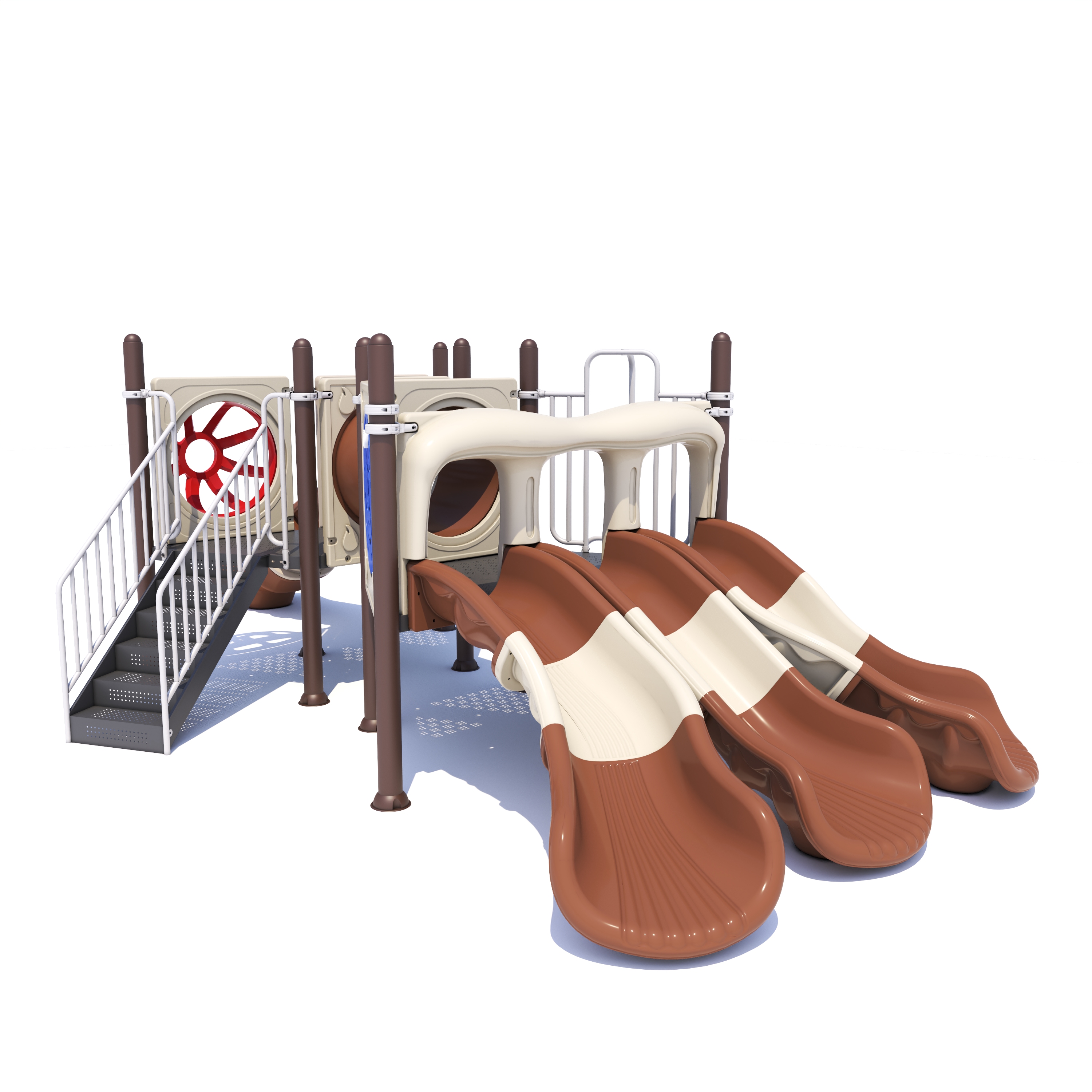
The design of amusement equipment is far more than an aesthetic exercise. Every curve, material choice, spatial arrangement, and interactive feature directly shapes how users experience a recreational space and how safely they can do so. For operators, playground developers, and facility managers, understanding this relationship is essential to building environments that attract visitors, encourage repeat engagement, and meet the rigorous safety standards expected in today's market.
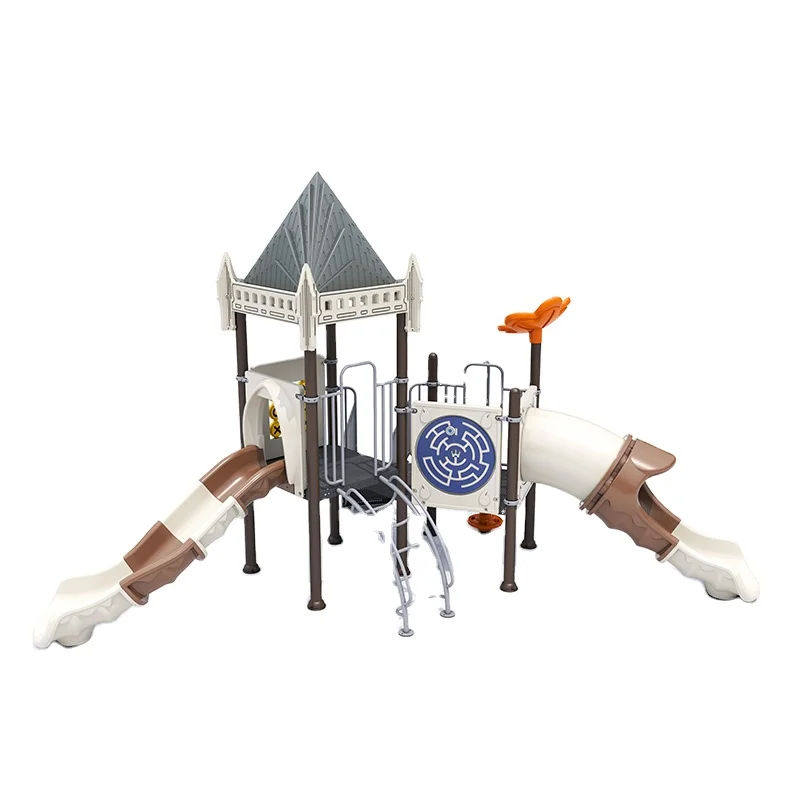
When amusement equipment is designed with both the user experience and operational safety in mind simultaneously, the results are measurable. Engagement metrics improve, incident rates decline, and the overall reputation of the recreational space strengthens. This article explores the specific mechanisms through which design decisions influence these two critical outcomes, offering practical insight for anyone involved in planning, procuring, or managing recreational infrastructure.
The Relationship Between Design Intent and User Engagement
How Physical Form Drives Exploratory Behavior
The physical form of amusement equipment communicates possibility to users before they ever touch it. A structure with multiple entry points, varied elevation levels, and interconnected play zones invites exploration in a way that a single-function unit simply cannot. Children and adults alike respond to visual complexity by wanting to investigate, climb, and discover what each element offers.
Designers who understand this principle build amusement equipment with layered challenge levels. A younger child might engage with ground-level sensory panels while an older child navigates elevated bridges and climbing walls on the same structure. This layered approach extends the time users spend on the equipment and increases the likelihood that they return, because there is always something new to discover or a new challenge to attempt.
The spatial flow of amusement equipment also matters. When the layout guides users naturally from one activity to the next without dead ends or confusing transitions, engagement remains continuous. Poor spatial logic, by contrast, causes users to disengage and drift away from the equipment entirely, reducing the perceived value of the recreational space.
Color, Theming, and Sensory Stimulation
Color psychology plays a significant role in how amusement equipment attracts and retains user attention. Bright, high-contrast color combinations signal energy and playfulness, drawing users toward the structure from a distance. Thematic coherence — where the equipment tells a visual story, such as a nature adventure or a space exploration concept — creates an immersive environment that deepens emotional engagement.
Sensory stimulation beyond visual appeal also contributes to engagement. Amusement equipment that incorporates tactile surfaces, sound-producing elements, or interactive panels engages multiple senses simultaneously. This multi-sensory approach is particularly effective for younger users whose developmental needs include rich sensory input, and it differentiates a recreational space from competitors offering more passive experiences.
Operators who invest in thoughtfully themed and visually stimulating amusement equipment consistently report higher visitor dwell times and stronger word-of-mouth referrals. The design investment translates directly into commercial performance, making aesthetic and sensory design decisions a business priority, not merely a creative one.
Safety by Design: How Structure and Materials Reduce Risk
Structural Engineering and Load Considerations
Operational safety in recreational spaces begins at the structural engineering stage. Amusement equipment must be designed to withstand dynamic loads — the unpredictable forces generated by multiple users moving simultaneously, jumping, swinging, and climbing. Engineers calculate these loads using established safety standards and apply appropriate safety factors to ensure the structure remains stable under real-world conditions.
The connection points between structural components are particularly critical. Poorly designed joints can develop fatigue cracks over time, especially in high-traffic environments. Quality amusement equipment uses reinforced connection hardware, corrosion-resistant fasteners, and designs that distribute stress evenly across the structure rather than concentrating it at vulnerable points.
Foundation design is equally important. Amusement equipment anchored to inadequate foundations can shift, tilt, or become unstable over time, creating serious hazards. Proper foundation specifications, matched to the soil conditions and equipment weight, are a non-negotiable element of safe design and should be documented clearly for installation teams.
Material Selection and Surface Safety
The materials used in amusement equipment directly influence both durability and user safety. High-density polyethylene (HDPE) plastics, powder-coated steel, and treated timber each offer different performance profiles in terms of weather resistance, surface temperature, splinter risk, and impact absorption. Selecting the right material for each component requires balancing these factors against the specific environmental conditions of the installation site.
Surface texture is a safety-critical design variable. Platforms, steps, and ramps on amusement equipment must provide adequate grip under wet conditions without being so abrasive that they cause skin abrasions during normal play. Anti-slip surface treatments and textured molding are standard features in well-designed equipment, but their effectiveness depends on consistent maintenance over the product's lifespan.
Fall zone surfacing beneath and around amusement equipment is a design consideration that extends beyond the equipment itself. The equipment designer must specify appropriate fall heights and impact zones so that operators can install compliant safety surfacing — whether rubber tiles, engineered wood fiber, or poured-in-place rubber — that meets the fall attenuation requirements of applicable safety standards.
Age-Appropriate Design and Its Impact on Both Engagement and Safety
Designing for Developmental Stages
Effective amusement equipment design accounts for the physical and cognitive capabilities of its intended users. Equipment designed for toddlers must have lower platform heights, enclosed slide channels, and handrails sized for small hands. Equipment for school-age children can incorporate greater height, more complex climbing challenges, and faster slide profiles. Mixing these design parameters inappropriately creates both safety hazards and engagement failures.
When amusement equipment is correctly calibrated to developmental stages, children engage more confidently because the challenges feel achievable rather than overwhelming or, conversely, boring. This calibration also reduces the frequency of misuse — older children attempting to use toddler equipment in ways it was not designed for, or younger children accessing equipment that exceeds their physical capabilities.
Operators who clearly zone their recreational spaces by age group and install amusement equipment appropriate to each zone report fewer incidents and higher satisfaction scores from parents and caregivers. The design decision to segment by developmental stage is therefore both a safety measure and a user experience strategy.
Inclusive Design Principles
Inclusive amusement equipment design ensures that children with varying physical abilities can participate meaningfully in the recreational experience. Ramp access to elevated platforms, sensory play panels at wheelchair-accessible heights, and transfer stations that allow children with mobility aids to transition onto equipment are all design features that expand the user base and fulfill accessibility obligations.
Beyond compliance, inclusive design improves the social dynamics of a recreational space. When amusement equipment allows children of different abilities to play together rather than in separate zones, the social engagement value increases for all users. This design philosophy reflects a broader understanding that engagement is not purely physical — it is also social and emotional.
Operators who prioritize inclusive amusement equipment design also benefit from a stronger community reputation and alignment with public procurement requirements in many markets. The business case for inclusive design is therefore both ethical and commercial.
Maintenance-Friendly Design and Long-Term Operational Safety
Designing for Inspectability
Amusement equipment that is difficult to inspect is equipment that is more likely to develop undetected safety issues. Thoughtful design makes critical structural components accessible to maintenance personnel without requiring disassembly. Inspection ports, open framework designs, and clearly documented inspection protocols are features that distinguish professionally designed amusement equipment from lower-quality alternatives.
Regular inspection is a regulatory requirement in most jurisdictions, and the frequency and depth of inspection required depends on usage intensity and equipment type. Operators who choose amusement equipment with inspection-friendly design reduce the labor cost of compliance and increase the likelihood that hazards are identified before they cause incidents.
Documentation provided by the equipment manufacturer plays a critical role here. Comprehensive maintenance manuals, inspection checklists, and component replacement guides enable operators to maintain amusement equipment correctly even when staff turnover occurs. This documentation is a design output, not an afterthought, and its quality reflects the manufacturer's commitment to long-term operational safety.
Component Replaceability and Lifecycle Management
Well-designed amusement equipment uses modular components that can be replaced individually as they wear or become damaged. This approach extends the useful life of the overall structure, reduces total cost of ownership, and ensures that safety-critical components can be renewed without replacing the entire installation.
Operators should evaluate amusement equipment not only on its initial purchase price but on the availability and cost of replacement parts over a ten-to-fifteen-year horizon. Equipment designed with proprietary components that become unavailable after a few years forces premature full replacement, increasing both cost and operational disruption.
Lifecycle planning for amusement equipment also includes understanding how the equipment will be decommissioned at end of life. Eco-friendly materials that can be recycled or safely disposed of reduce the environmental liability associated with replacement cycles and align with the sustainability commitments increasingly expected by public and private operators alike.
Compliance Standards and Their Design Implications
International and Regional Safety Standards
Amusement equipment must comply with a range of safety standards that vary by region and application type. In Europe, EN 1176 governs playground equipment safety. In the United States, ASTM F1487 provides the primary framework for public playground equipment. These standards specify requirements for entrapment hazards, fall heights, structural integrity, and surface materials, among many other parameters.
Design teams working on amusement equipment must integrate these standards from the earliest stages of the design process, not as a final compliance check. Retroactively modifying a design to meet safety standards is costly and often results in compromises that affect both aesthetics and functionality. Standards-first design produces better outcomes across all dimensions.
Operators procuring amusement equipment should request documentation of standards compliance from suppliers, including third-party test reports where applicable. This documentation protects the operator legally and provides assurance that the equipment has been independently verified against recognized safety benchmarks.
The Role of Certification in Procurement Decisions
Certification by recognized testing bodies provides operators with a level of assurance that self-declared compliance cannot. Certified amusement equipment has been evaluated by independent experts against defined criteria, and the certification mark signals to users, insurers, and regulators that the equipment meets minimum safety requirements.
For operators in competitive markets, certified amusement equipment also serves as a differentiator. Parents and caregivers increasingly research the safety credentials of recreational spaces before visiting, and visible certification marks contribute to the trust signals that drive visitation decisions.
Procurement teams should understand the scope of any certification claimed for amusement equipment. Some certifications cover the full installed system, while others apply only to individual components. Understanding this distinction ensures that the operator's compliance obligations are fully met and that no gaps exist between component-level and system-level safety assurance.
FAQ
How does the design of amusement equipment affect how long children stay engaged during a visit?
Amusement equipment designed with multiple activity zones, varied challenge levels, and sensory stimulation elements naturally extends the time children spend engaged. When a structure offers new discoveries at different heights and in different areas, children are motivated to keep exploring rather than moving on after a few minutes. Operators consistently find that well-designed amusement equipment increases average visit duration, which in turn supports revenue and visitor satisfaction metrics.
What are the most important safety design features to look for when procuring amusement equipment?
Key safety design features include entrapment-free openings, anti-slip surfaces on all elevated platforms and ramps, corrosion-resistant hardware, clearly specified fall zones, and age-appropriate challenge levels. Structural integrity under dynamic loads and compliance with applicable standards such as EN 1176 or ASTM F1487 are also essential. Operators should request third-party test documentation to verify that these features meet recognized benchmarks rather than relying solely on supplier claims.
Can amusement equipment be designed to serve multiple age groups safely within the same structure?
Yes, multi-age amusement equipment is a well-established design category. These structures incorporate distinct zones calibrated to different developmental stages, with physical barriers or spatial separation preventing younger children from accessing elements designed for older users. When executed correctly, multi-age amusement equipment increases the commercial value of a recreational space by serving a broader visitor demographic while maintaining appropriate safety parameters for each user group.
How does material choice in amusement equipment design affect both safety and long-term operational costs?
Material selection directly influences surface safety, weather resistance, maintenance frequency, and component lifespan. HDPE plastics resist UV degradation and do not splinter, making them a low-maintenance choice for high-traffic amusement equipment. Powder-coated steel offers structural strength but requires periodic inspection for coating integrity to prevent corrosion. Choosing materials appropriate to the installation environment reduces both incident risk and the total cost of ownership over the equipment's operational life.
Table of Contents
- The Relationship Between Design Intent and User Engagement
- Safety by Design: How Structure and Materials Reduce Risk
- Age-Appropriate Design and Its Impact on Both Engagement and Safety
- Maintenance-Friendly Design and Long-Term Operational Safety
- Compliance Standards and Their Design Implications
-
FAQ
- How does the design of amusement equipment affect how long children stay engaged during a visit?
- What are the most important safety design features to look for when procuring amusement equipment?
- Can amusement equipment be designed to serve multiple age groups safely within the same structure?
- How does material choice in amusement equipment design affect both safety and long-term operational costs?