
 EN
EN


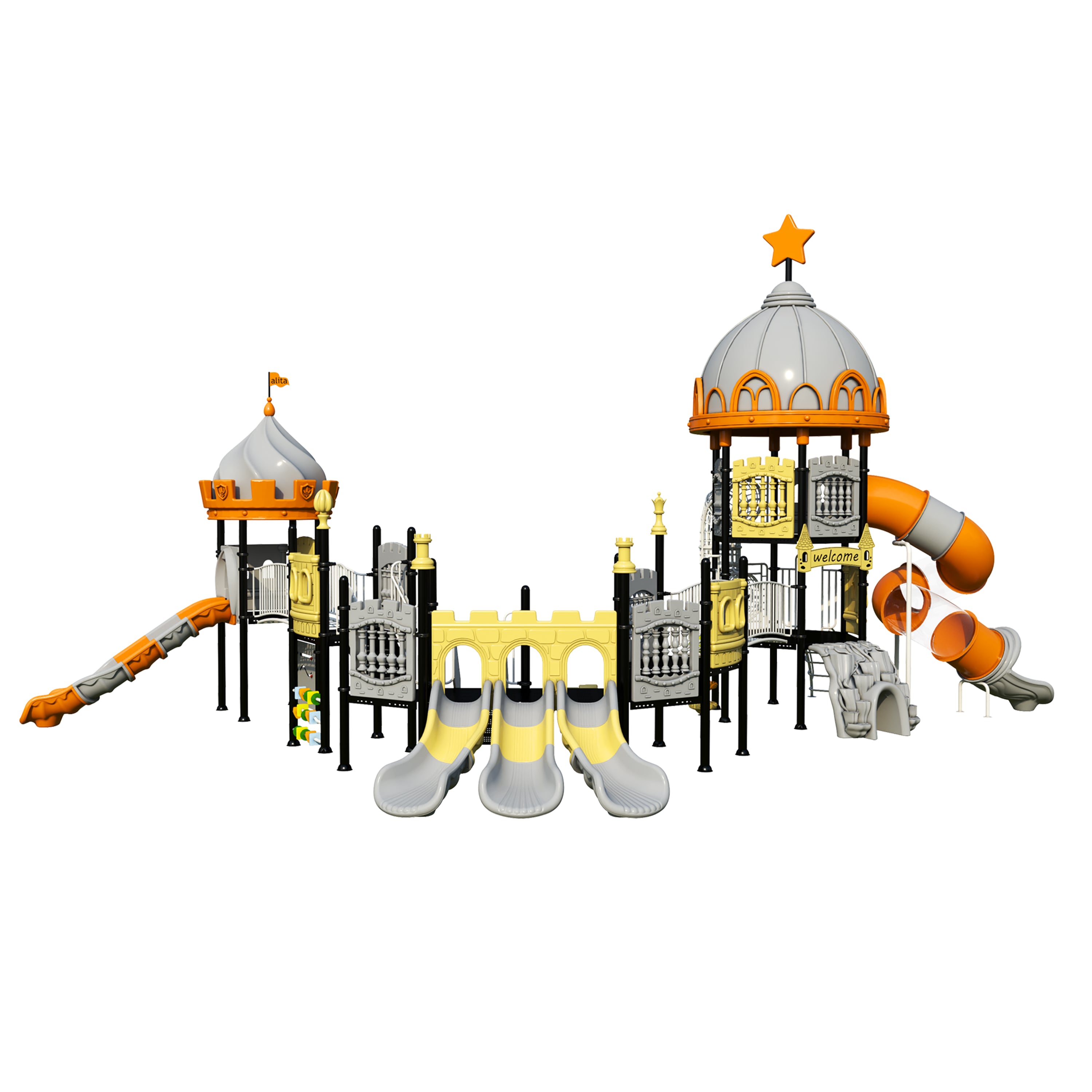
A park playground is far more than a cluster of colorful equipment installed in an open space. It is a dynamic community asset that serves children of all ages, supports physical development, and brings families together in a shared outdoor environment. Yet without a structured maintenance planning strategy, even the most carefully designed park playground will deteriorate, become unsafe, and ultimately fail to serve its intended purpose. Understanding why maintenance planning is not optional but essential is the first step toward protecting both the investment and the children who depend on it.
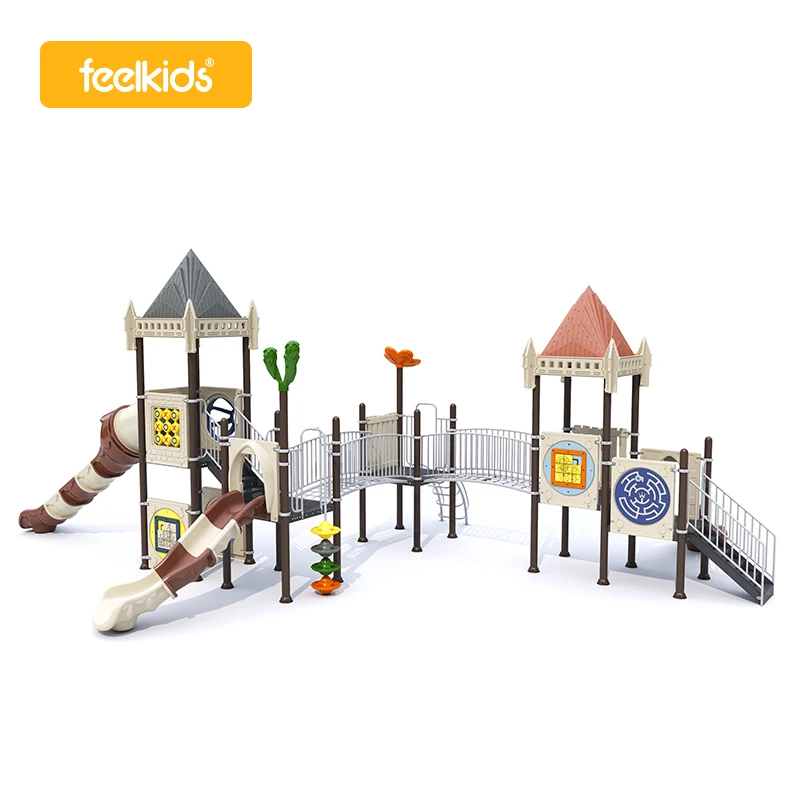
Across municipal parks, school grounds, and private recreational areas, the park playground faces constant exposure to weather, heavy use, and the natural wear that comes with time. Operators and facility managers who invest in proactive maintenance planning consistently report longer equipment lifespans, fewer emergency repairs, and dramatically reduced liability exposure. This article explores the core reasons why maintenance planning is the backbone of any long-term park playground operation strategy, and what that planning should realistically involve.
The Direct Link Between Maintenance Planning and Safety
Why Safety Cannot Be Left to Chance
Every park playground carries an inherent responsibility: ensuring that every child who enters leaves unharmed. Safety is not a passive outcome. It is the direct result of consistent, documented, and well-executed maintenance activity. When maintenance is reactive rather than planned, small defects go unnoticed until they become serious hazards. A cracked plastic slide panel, a loose bolt on climbing equipment, or degraded impact-absorbing surfacing beneath swings can each lead to serious injuries if not caught early.
Maintenance planning introduces a systematic schedule of inspections and corrective actions that makes safety proactive rather than accidental. Routine inspection checklists, trained inspection personnel, and clearly defined escalation procedures transform safety management from guesswork into a reliable operational standard. This is especially critical for park playground installations that serve high volumes of users daily, where the frequency of stress on individual components is significantly elevated.
A planned maintenance approach also ensures that safety checks align with recognized standards in the playground equipment industry. Regular formal audits conducted against established benchmarks help facility managers identify compliance gaps before they result in incidents or legal consequences. The park playground that is consistently maintained is the park playground that consistently performs safely.
Hazard Identification Through Scheduled Inspection
One of the most practical benefits of structured maintenance planning is the formalization of hazard identification cycles. Rather than waiting for a parent complaint or a visible breakdown, planned inspection intervals allow staff to identify and address potential hazards at their earliest stage. Equipment fatigue, UV-related material degradation, and fastener corrosion are all examples of issues that are invisible to casual observation but detectable through trained inspection protocols.
When a park playground maintenance plan is in place, inspection results are documented over time. This creates a historical record that reveals patterns, such as which equipment types wear fastest under local environmental conditions, which areas receive the most traffic, and which components require the most frequent attention. Over months and years, this data becomes an invaluable planning resource that drives smarter budget allocation and procurement decisions.
Protecting the Long-Term Investment in Park Playground Infrastructure
The True Cost of Deferred Maintenance
Park playground equipment represents a significant capital investment. Multi-play activity centers, climbing structures, slides, and fitness components are not low-cost assets, and their replacement requires substantial budget justification. When maintenance is deferred or unplanned, this investment depreciates far faster than it should. Components that could have been restored with minor intervention instead require full replacement because the underlying damage was allowed to progress unchecked.
Deferred maintenance also compounds over time. A small surface crack left untreated allows moisture infiltration, which accelerates material breakdown, which compromises structural integrity, which ultimately forces emergency replacement at a much higher cost than a planned repair would have required. Facility managers who calculate the lifetime cost of a park playground with and without structured maintenance consistently find that proactive planning reduces total expenditure significantly over a ten-to-twenty-year horizon.
Beyond direct repair costs, unplanned failures carry secondary financial consequences. Emergency contractor call-outs, temporary closure signage, incident documentation, and potential liability claims all add to the real cost of poor maintenance planning. A park playground with a well-documented maintenance history is also far easier to defend in any legal or insurance context, because the evidence of due diligence is clear and verifiable.
Extending Equipment Lifespan Through Preventive Care
Modern park playground equipment is engineered to withstand years of heavy use when maintained correctly. High-density polyethylene panels, powder-coated steel frames, and UV-stabilized plastics are all designed with durability in mind, but they are not maintenance-free. Each material type has specific care requirements that, when followed consistently, dramatically extend the functional life of the equipment.
A maintenance plan tailored to the specific materials and components of a park playground ensures that cleaning, lubrication, tightening, and surface treatment tasks are performed at the right intervals. This is not generic upkeep. It is targeted, material-aware care that preserves performance characteristics and appearance over time. Operators who implement such plans routinely achieve equipment service lives that exceed manufacturer baseline estimates, delivering far greater return on their original capital investment.
Operational Continuity and Community Trust
Minimizing Unplanned Closures
When a park playground is suddenly closed due to safety concerns or equipment failure, the community impact extends beyond inconvenience. Families lose access to a valued recreational resource. Local councils or operators face reputational questions. And the closure itself often generates more public scrutiny than the underlying maintenance issue that caused it. Planned maintenance dramatically reduces the frequency and duration of unplanned closures by catching problems before they reach the point of requiring immediate shutdown.
Scheduled maintenance windows, communicated to the community in advance, are far better received than sudden closures triggered by incidents. They demonstrate organizational competence and a genuine commitment to user safety. The park playground that closes briefly for planned maintenance signals active stewardship. The one that closes unexpectedly after an injury signals neglect. The operational and reputational difference between these two scenarios is enormous.
Building Long-Term Community Confidence
Communities build trust with public facilities over time, and park playground spaces are among the most emotionally significant public assets in any neighborhood. Parents form opinions about local governance and facility management based partly on the visible condition of the park playground their children use. A well-maintained facility communicates care, responsibility, and respect for community wellbeing. A deteriorated one communicates the opposite.
Maintenance planning supports this trust-building in a very tangible way. When records are kept, improvements are visible, and the equipment consistently meets safety and aesthetic standards, users develop confidence in the facility and in its managers. This confidence translates into higher utilization rates, stronger community advocacy for facility investment, and a more positive relationship between operators and the people they serve. A park playground that earns community trust through consistent maintenance is a park playground that generates lasting social value.
Environmental and Regulatory Drivers of Maintenance Planning
Adapting to Environmental Stress
No park playground operates in a controlled environment. Outdoor equipment is exposed year-round to temperature extremes, UV radiation, precipitation, humidity, biological growth, and physical impacts from wind-borne debris. These environmental stressors affect different materials and components in different ways and at different rates. A maintenance plan that does not account for the specific climate and environmental conditions of a facility's location will always be inadequate.
Effective maintenance planning includes seasonal adjustment of inspection and care activities. In high-humidity climates, fastener corrosion and mold growth on surfaces may require more frequent attention. In extreme UV environments, plastic components may need more regular inspection for embrittlement and surface degradation. Coastal locations introduce salt exposure that accelerates metal oxidation. A well-developed maintenance plan treats the park playground as a living operational system that must adapt to its environment continuously.
Meeting Regulatory and Compliance Obligations
Regulatory frameworks governing park playground safety vary by jurisdiction, but most share a common requirement: operators must demonstrate that they exercise reasonable care in maintaining their facilities. This means documented inspection records, evidence of timely corrective action, and verifiable compliance with applicable equipment standards. Without a formal maintenance plan, producing this evidence is difficult or impossible.
Maintenance planning creates the infrastructure for regulatory compliance as a natural operational outcome rather than a reactive scramble. When inspections are scheduled, results are recorded, and corrective actions are logged, the park playground generates its own compliance documentation continuously. This documentation protects operators in the event of incidents, satisfies regulatory audit requirements, and simplifies insurance reporting. It transforms compliance from a burden into a byproduct of good operational practice.
FAQ
How often should a park playground be formally inspected?
The appropriate inspection frequency depends on the intensity of use, environmental conditions, and equipment type, but most industry guidance recommends a combination of routine visual checks after each significant weather event or high-use period, more thorough operational inspections on a monthly basis, and comprehensive formal audits at least once annually. High-traffic park playground installations in public parks may warrant more frequent formal inspections, particularly for high-wear components such as slides, swings, and climbing structures.
What should a park playground maintenance plan include?
A complete park playground maintenance plan should include a detailed inventory of all equipment and surfacing materials, scheduled inspection intervals with specific checklists for each equipment type, documented procedures for identifying and classifying hazards, clear escalation and repair authorization protocols, a record-keeping system for all inspection results and corrective actions, and a budget framework that accounts for routine upkeep as well as periodic component replacement. The plan should also be reviewed and updated regularly to reflect changes in equipment condition, usage patterns, and regulatory requirements.
Can park playground equipment last beyond its expected service life with good maintenance?
Yes, in many cases, structured and consistent maintenance planning allows park playground equipment to remain safe and functional well beyond the baseline service life estimates provided by manufacturers. Preventive care that addresses surface integrity, fastener condition, structural joint stability, and impact-absorbing surfacing can significantly slow the natural degradation curve. However, it is important that extended service decisions are always based on formal technical assessment rather than assumption, and that any equipment showing signs of structural compromise is replaced promptly regardless of its age.
Who is responsible for maintenance planning at a park playground facility?
Responsibility for park playground maintenance planning typically rests with the facility owner or operator, which may be a municipal parks department, a school authority, a housing association, or a private recreational operator. In practice, effective planning usually involves a designated facilities manager who coordinates inspection staff, engages qualified contractors for complex repairs, liaises with equipment suppliers on technical guidance, and ensures that documentation and compliance obligations are met consistently. Regardless of organizational structure, the key principle is that maintenance planning must be assigned to a specific role with adequate authority and resources to execute it properly.