
 EN



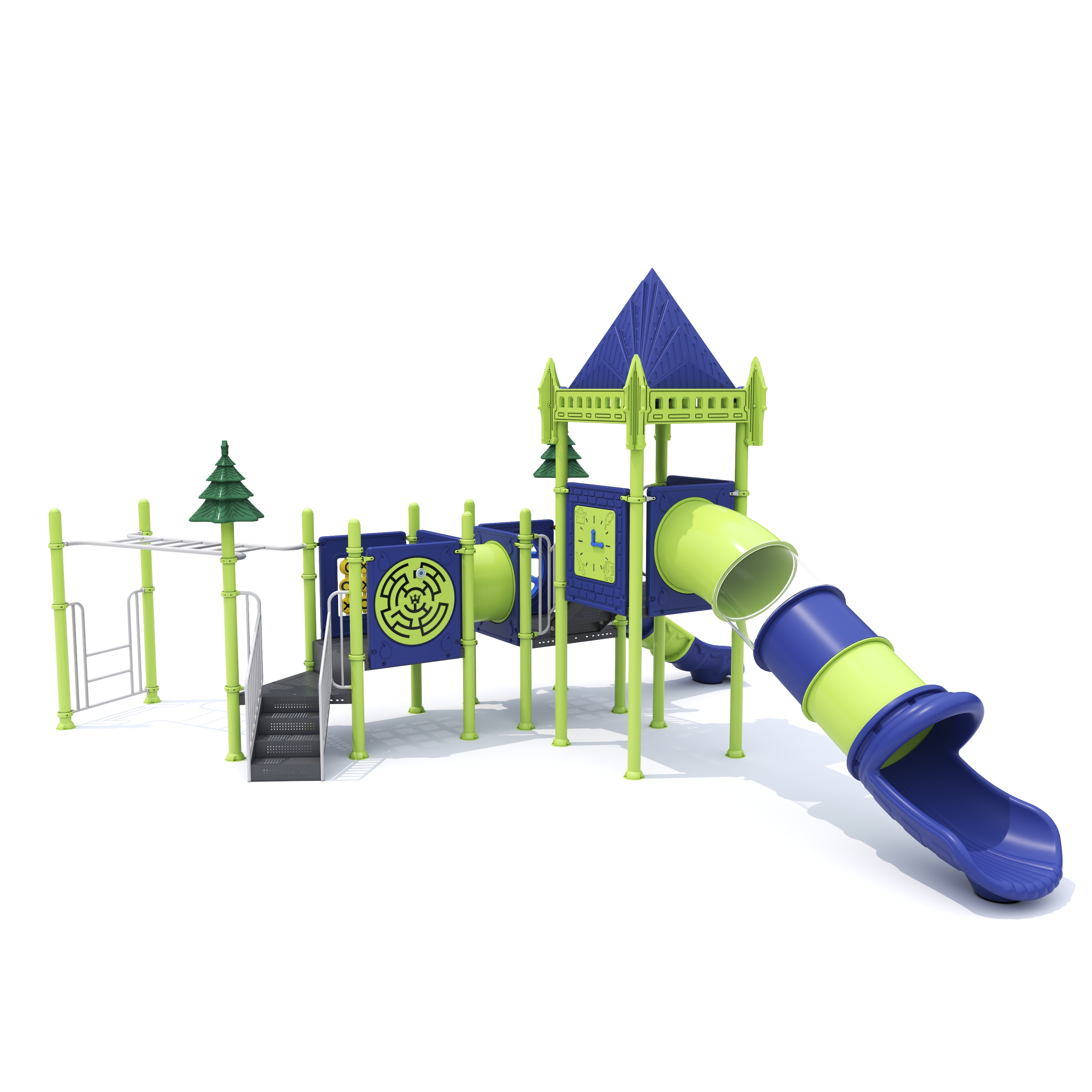
Every outdoor space presents unique challenges and opportunities that demand thoughtful, tailored solutions. A custom playground addresses these distinct project requirements by transforming site-specific constraints into purposeful design opportunities. Whether you're developing a municipal park, school campus, community center, or residential complex, the ability to adapt playground design to your exact needs ensures both functionality and lasting community value.
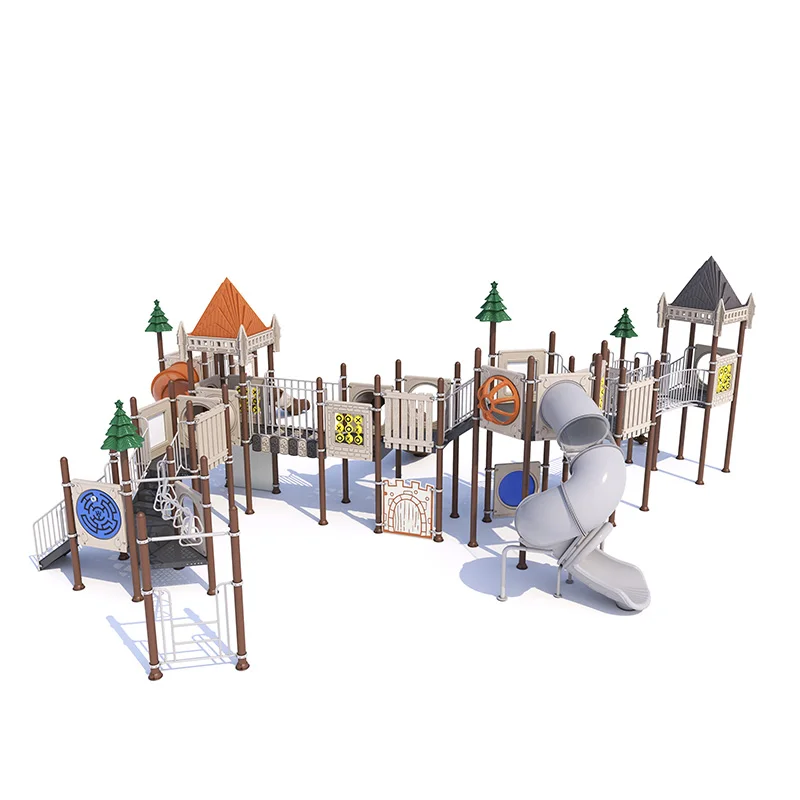
A custom playground goes far beyond selecting pre-made equipment from a catalog. This approach involves comprehensive site analysis, stakeholder engagement, and strategic equipment selection that reflects the actual demographics, safety requirements, accessibility standards, and environmental conditions of your location. By investing in a tailored design process, project leaders ensure their playground investment delivers measurable engagement, safety compliance, and long-term operational efficiency.
Understanding Site-Specific Constraints and How Custom Playground Design Responds
Analyzing Physical and Environmental Limitations
Every site presents distinct physical realities that demand careful evaluation before any custom playground design can proceed. Terrain slope, soil composition, drainage patterns, shade availability, and proximity to adjacent structures all influence how equipment should be arranged and selected. A custom playground design team conducts thorough site surveys to map these variables, then adapts the layout to work harmoniously with existing conditions rather than fighting against them.
For instance, a sloped site might incorporate hillside slides and elevated platforms that utilize natural elevation changes, transforming what could be a limiting constraint into an engaging design feature. Similarly, a custom playground positioned in an arid climate will prioritize shade structures and heat-resistant materials, while one in a wet climate will emphasize superior drainage solutions and moisture-resistant components. This problem-solving approach is fundamental to effective custom playground implementation.
Addressing Space and Budget Realities
Project constraints extend beyond physical geography to encompass real-world budget limitations and available footprint. A custom playground design tailors equipment selection and layout to maximize engagement and play value within actual financial parameters and spatial boundaries. Rather than overwhelming a small footprint with oversized equipment or compromising functionality due to budget constraints, skilled designers create sophisticated multi-use stations and strategic equipment groupings that deliver comprehensive play experiences.
This optimization ensures every dollar spent on custom playground equipment directly serves your community's needs while maintaining safety standards and accessibility requirements. Budget-conscious custom playground solutions often employ modular systems that can expand over time, allowing phased development that aligns with funding cycles and community growth patterns.
Tailoring Equipment Selection to Demographic and Developmental Needs
Age-Appropriate Custom Playground Configuration
A custom playground serves specific age groups within your community, whether that's toddlers, elementary-age children, tweens, teens, or mixed-age environments. Each demographic requires different equipment types, challenge levels, and safety specifications. A well-designed custom playground incorporates age-appropriate stations that support developmental milestones while providing appropriate challenge and engagement.
For young children, a custom playground emphasizes sensory play, gross motor development, and parental supervision sight lines. For older children and teens, the design prioritizes physical challenges, social interaction spaces, and skill-building opportunities. This demographic-driven approach to custom playground planning ensures that equipment resonates with intended users and encourages sustained engagement rather than attracting mismatched or underutilized installations.
Inclusive Design and Accessibility Integration
Modern custom playground design must prioritize inclusive access for children of all abilities, meeting or exceeding accessibility standards while creating genuinely engaging experiences for disabled users. This goes beyond compliance checkboxes to encompass thoughtful equipment selection, pathway design, sensory-rich elements, and social spaces that welcome and accommodate diverse needs.
A custom playground incorporating inclusive design principles might feature wheelchair-accessible ramps leading to elevated play stations, ground-level sensory panels for children with limited mobility, quiet spaces for children with sensory sensitivities, and adaptive swings and seating. This intentional approach ensures your custom playground serves the entire community rather than creating separate or limited experiences for children with disabilities.
Implementation Strategy and Long-Term Performance Optimization
Design-to-Installation Process for Custom Playground Projects
Successful custom playground development requires structured collaboration between designers, site managers, maintenance teams, and community stakeholders. The process typically begins with comprehensive needs assessment and site analysis, progresses through collaborative design development with feedback loops, and culminates in detailed specification and installation planning. This collaborative approach ensures the resulting custom playground truly reflects community priorities and operational realities.
During custom playground design development, teams create detailed equipment layouts, material specifications, safety zone calculations, and maintenance protocols. Clear communication between all parties prevents costly changes during installation and ensures everyone understands maintenance requirements, seasonal considerations, and long-term care needs for the finished custom playground installation.
Maintenance, Durability, and Lifecycle Considerations
A custom playground represents a long-term community asset requiring strategic maintenance planning and material selection for durability. Design choices significantly impact maintenance intensity, replacement schedules, and operational costs across a playground's lifecycle. Superior custom playground design anticipates these realities, selecting materials and configurations that balance performance, aesthetics, and maintenance efficiency.
Galvanized steel components, high-density polyethylene surfaces, and quality bearing hardware extend the life of your custom playground investment while reducing maintenance burdens on staff. By selecting equipment and materials suited to your climate, usage patterns, and maintenance capacity, a well-conceived custom playground design delivers value for years or decades rather than requiring premature replacement or constant repair attention.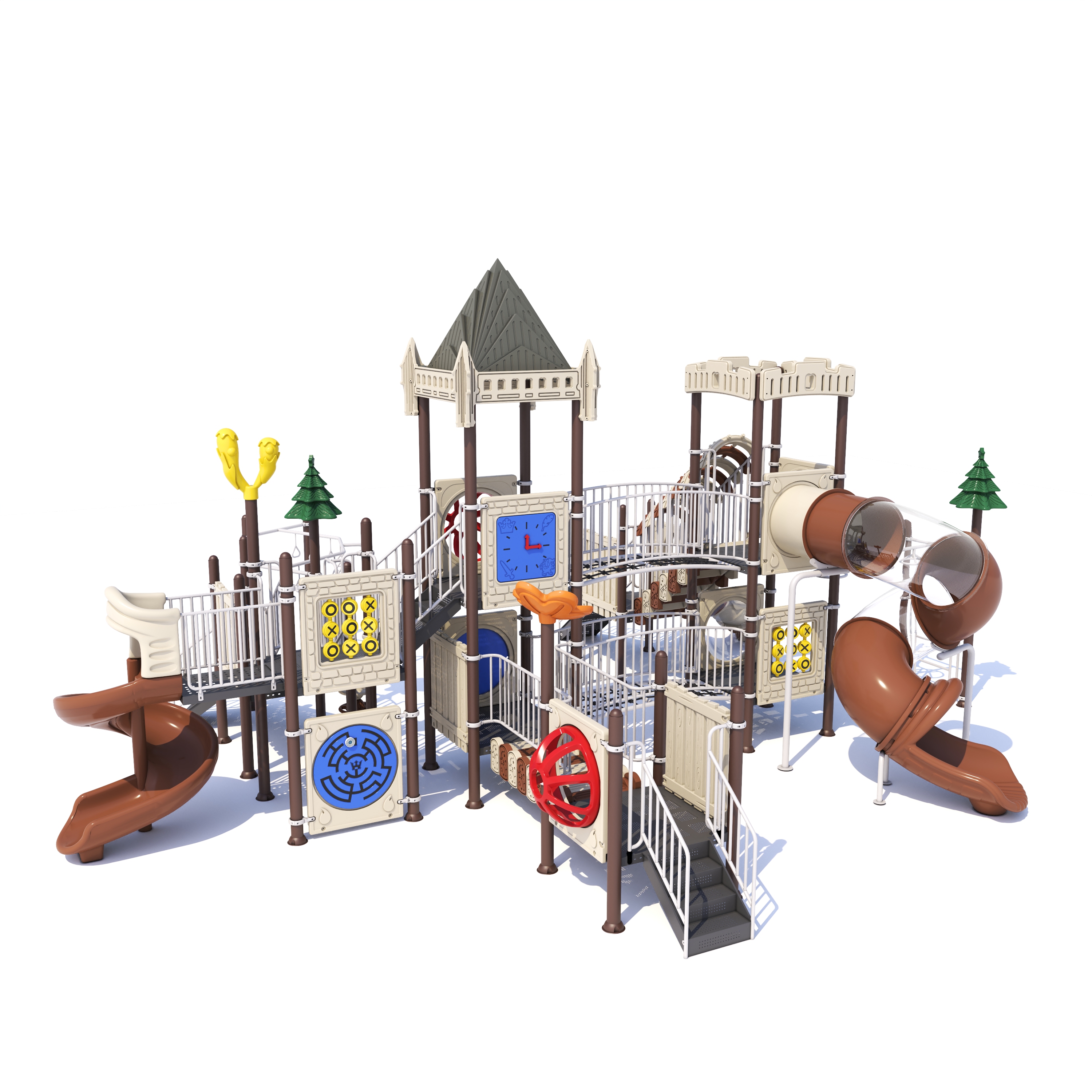
FAQ
What makes a custom playground different from standard pre-designed playground packages?
A custom playground is specifically tailored to your site's unique constraints, community demographics, and project goals, whereas standard packages offer one-size-fits-all solutions. Custom playground design involves detailed site analysis, stakeholder consultation, and strategic equipment selection based on actual conditions. Standard packages prioritize cost efficiency and quick installation over site-specific optimization, often resulting in underutilized equipment or layouts that don't match local needs. The custom playground approach requires more planning time but typically delivers superior engagement, safety outcomes, and long-term satisfaction.
How does custom playground design ensure compliance with safety and accessibility standards?
Experienced custom playground designers integrate safety standards and accessibility requirements throughout the design process rather than treating them as afterthoughts. A comprehensive custom playground design includes proper fall surface specifications, equipment spacing calculations, sight line analysis for supervision, and accessible pathways connecting all play stations. Design professionals stay current with ASTM standards, ADA requirements, and local regulations, ensuring your custom playground meets all applicable codes. This integrated approach prevents costly modifications after installation and ensures families with diverse abilities can use the custom playground safely and enjoyably.
What is the typical timeline for developing and implementing a custom playground project?
A complete custom playground project typically requires four to eight months from initial consultation through installation, depending on project complexity and site conditions. The custom playground design phase usually takes six to ten weeks for detailed site analysis, design development, and stakeholder feedback incorporation. Permitting and procurement generally require four to eight weeks, while actual installation typically takes two to four weeks depending on equipment complexity and site preparation needs. Planning ahead and maintaining clear communication throughout the custom playground development process helps ensure projects stay on schedule and within budget.