
 EN



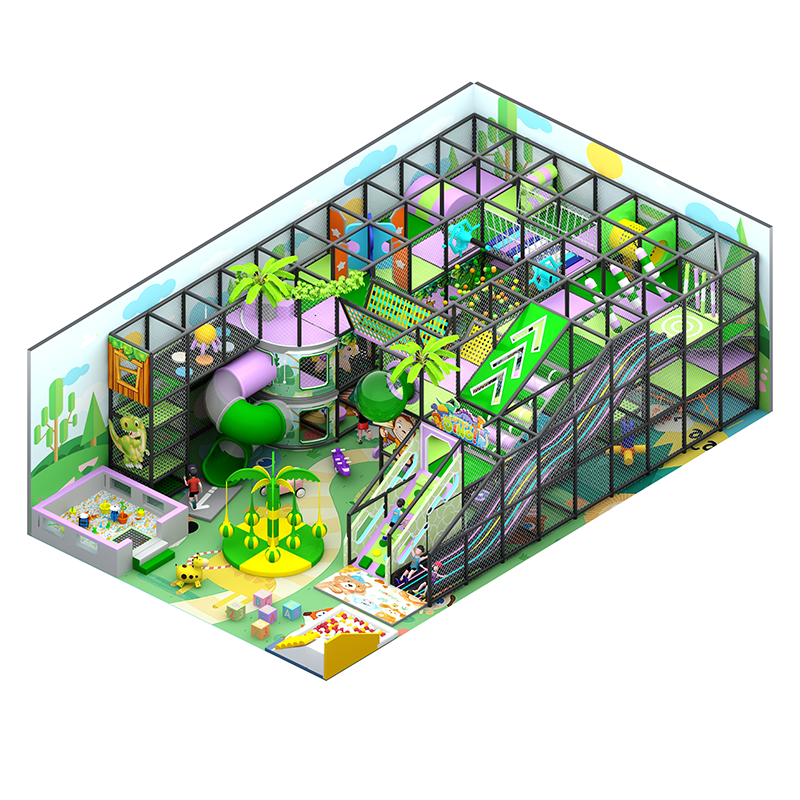
A well-designed trampoline park transforms passive recreation into dynamic, highly engaging interactive play that keeps visitors returning. The architecture, layout, and equipment configuration of a trampoline park directly influence how users interact with the space and whether they experience genuinely memorable moments. Modern trampoline park design goes beyond simply installing bounce surfaces—it strategically combines spatial flow, safety considerations, aesthetic appeal, and activity variety to create environments where engagement flourishes naturally. Understanding how trampoline park elements enhance user experience is essential for facility operators, designers, and investors seeking to maximize both satisfaction and operational success.
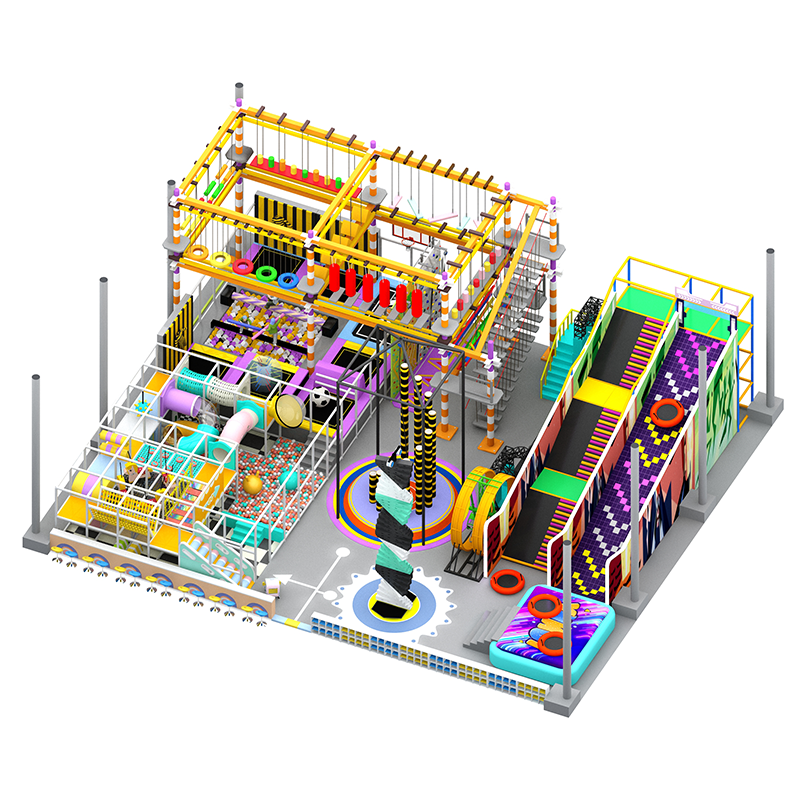
The success of any recreational facility depends on how effectively its design encourages sustained participation and social interaction. A trampoline park that thoughtfully integrates multiple activity zones, clear sightlines, and intuitive flow patterns naturally encourages users to explore, challenge themselves, and engage with both the equipment and other visitors. When a trampoline park incorporates flexible spaces that accommodate different skill levels, age groups, and play preferences simultaneously, engagement levels increase significantly. This article explores the key design principles that transform a trampoline park from a simple bounce facility into an engaging destination where visitors of all ages find meaningful, interactive play experiences.
Spatial Layout and Zone Design in Trampoline Park Environments
Segmented Activity Zones Within Trampoline Park Design
Effective trampoline park design divides the facility into distinct activity zones, each serving different engagement purposes and skill levels. A well-organized trampoline park typically includes beginner bounce areas, advanced freestyle zones, foam pit sections, basketball dunk areas, and dodgeball courts. This segmentation prevents crowding, reduces collision risks, and allows simultaneous activities that appeal to diverse preferences. When visitors enter a trampoline park with clear zone delineation, they immediately understand the available options and can choose activities matching their comfort level and interests. Families appreciate having separate areas where young children can bounce safely while older kids access more challenging features, creating an environment where every demographic feels welcomed and appropriately challenged.
Flow Patterns and Movement Efficiency in Trampoline Park Spaces
Thoughtful trampoline park design creates intuitive circulation patterns that guide visitors through the facility naturally without congestion or confusion. Strategic pathways, clear entry and exit points, and logical zone progression make navigation effortless, keeping visitors engaged rather than frustrated. A trampoline park with poor flow forces users to backtrack, wait in bottlenecks, or feel overwhelmed by crowding—outcomes that diminish engagement and satisfaction. Professional trampoline park design anticipates traffic patterns and creates sufficient space between zones to prevent interference between different activity groups. This attention to spatial efficiency directly translates to longer visit durations, higher participation rates, and positive word-of-mouth recommendations from satisfied users.
Interactive Features and Equipment Configuration in Trampoline Park Designs
Variety and Challenge Progression in Trampoline Park Equipment
An engaging trampoline park incorporates progressive challenge levels that encourage users to develop skills and attempt increasingly difficult activities. A quality trampoline park design includes beginner-friendly bounce surfaces alongside advanced features like angled walls, high platforms, and specialized landing zones for tricks and flips. This progression model keeps engagement high across return visits—users who mastered entry-level activities naturally advance to more challenging trampoline park features. The presence of varied difficulty levels within one trampoline park facility eliminates the need for separate venues as skills improve, building long-term customer loyalty. Social media engagement increases when users share videos of their progression within a well-designed trampoline park, creating organic marketing benefits.
Interactive Elements That Encourage Social Play in Trampoline Parks
Modern trampoline park design incorporates interactive elements that promote group participation and social engagement beyond solitary bouncing. Competitive games, team challenges, and multiplayer activities transform a trampoline park from individual exercise space into a social venue. Features like laser tag integration, competitive arcade games, and team-based foam pit challenges create shared experiences that deepen social bonds and increase visit frequency. A trampoline park that successfully facilitates group interaction and friendly competition generates stronger emotional attachment than facilities offering only individual activities. Families and friend groups specifically choose trampoline park destinations known for interactive opportunities, directly driving higher attendance and revenue.
Safety Integration and Visitor Confidence in Trampoline Park Experiences
Transparent Safety Design That Enhances Rather Than Reduces Engagement
Paradoxically, robust trampoline park design that prioritizes safety actually increases engagement by building visitor confidence and enabling bolder participation. When users feel secure within a properly engineered trampoline park environment, they attempt more activities, stay longer, and return more frequently. Visible safety features—padded barriers, clear boundary markings, appropriate foam pit depth, and professional supervision—communicate competence and care that reassure parents and inexperienced bounchers. A trampoline park that successfully integrates safety infrastructure without creating a restrictive, over-cautious atmosphere maintains an ideal balance between protection and freedom. Users appreciate knowing they can explore challenging activities within a well-designed trampoline park that minimizes injury risk through thoughtful engineering rather than limiting options.
Sight Lines and Supervision Capabilities in Trampoline Park Layouts
Effective trampoline park design enables staff supervision and parental oversight through strategic sight lines and elevated observation areas. When parents can easily monitor children from designated viewing zones, they relax and allow kids greater independence within a trampoline park environment. Similarly, staff members positioned strategically throughout a well-designed trampoline park can maintain safety oversight without creating feelings of constant surveillance. The architectural layout of a professional trampoline park incorporates design elements that simultaneously enable monitoring and preserve the sense of adventure and exploration users seek. This subtle balance between safety visibility and experiential freedom is a hallmark of engagement-focused trampoline park design.
Aesthetic Design and Environmental Psychology in Trampoline Parks
Visual Appeal and Atmospheric Elements That Drive Engagement
The aesthetic qualities of a trampoline park environment significantly influence visitor mood, energy levels, and willingness to participate. Vibrant colors, modern lighting design, clean equipment, and thoughtful décor transform a basic trampoline park into an inspiring destination that generates positive emotions. Environmental psychology principles apply directly to trampoline park design—bright lighting energizes users, bold colors stimulate activity, and modern aesthetics signal quality and professionalism. A visually appealing trampoline park encourages social media sharing, which amplifies marketing reach and attracts new visitors. The sensory experience of entering a well-designed trampoline park primes visitors for engagement before they even begin bouncing.
Themed Zones and Immersive Design in Premium Trampoline Parks
Advanced trampoline park design often incorporates thematic elements that create immersive experiences beyond basic recreation. A creatively designed trampoline park might feature adventure themes, outer space aesthetics, or fantasy elements that transport users into imaginative environments. These immersive design strategies particularly engage children, who develop stronger emotional connections to play experiences when environmental storytelling accompanies physical activities. Themed trampoline park zones encourage role-play, collaborative narratives, and extended imaginative engagement. Premium facilities implementing thematic design within their trampoline park layouts report higher customer satisfaction scores and longer average visit durations compared to minimally designed competitors.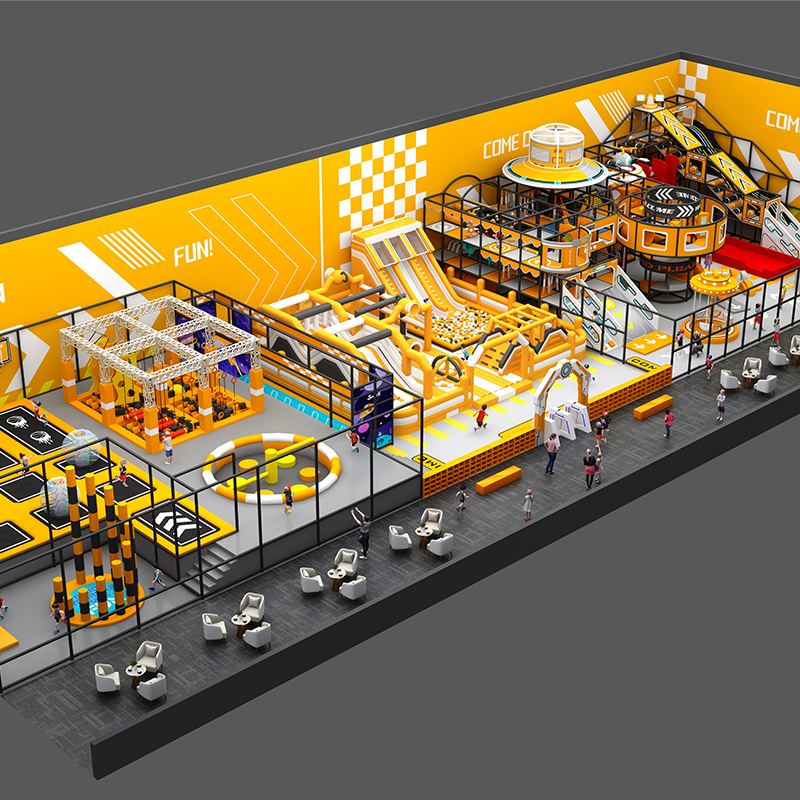
FAQ
How does a trampoline park design impact return visit frequency?
A trampoline park with thoughtful design that offers varied activities, clear progression in difficulty, and engaging social opportunities generates significantly higher return visit rates. When visitors experience a well-organized trampoline park that caters to different preferences and ability levels, they find reasons to return with family and friends. Facilities featuring interactive elements, competitive opportunities, and immersive design create emotional attachments that drive repeat business. Research indicates that customers returning to purpose-built trampoline park destinations visit 3-4 times more frequently than those visiting basic facilities lacking design sophistication.
What specific design elements make a trampoline park safe for young children?
A child-friendly trampoline park incorporates low-height bounce surfaces, adequate padding around equipment boundaries, separated activity zones away from advanced features, and clear sightlines for parental supervision. Professional trampoline park design includes foam pits of appropriate depth for age groups using them, cushioned collision zones, and marked pathways preventing accidental contact between different activity areas. Age-appropriate signage and staff guidance complement physical design elements to create a comprehensive safety approach within the trampoline park environment. Facilities implementing comprehensive trampoline park safety design consistently achieve higher parent confidence ratings and increased bookings for children's birthday parties.
Can trampoline park design accommodate multiple age groups simultaneously?
Yes, effective trampoline park design intentionally creates dedicated zones and features for different age groups, allowing simultaneous enjoyment without forcing separation into different visits or facilities. A comprehensive trampoline park includes toddler areas with lower heights, youth zones with moderate challenges, and advanced sections for teenagers and adults. This integrated design approach appeals to families looking for venues where everyone finds appropriate, engaging activities. Well-designed multi-age trampoline park facilities attract broader customer demographics, generate longer group visit durations, and create positive experiences for all family members.