
 EN



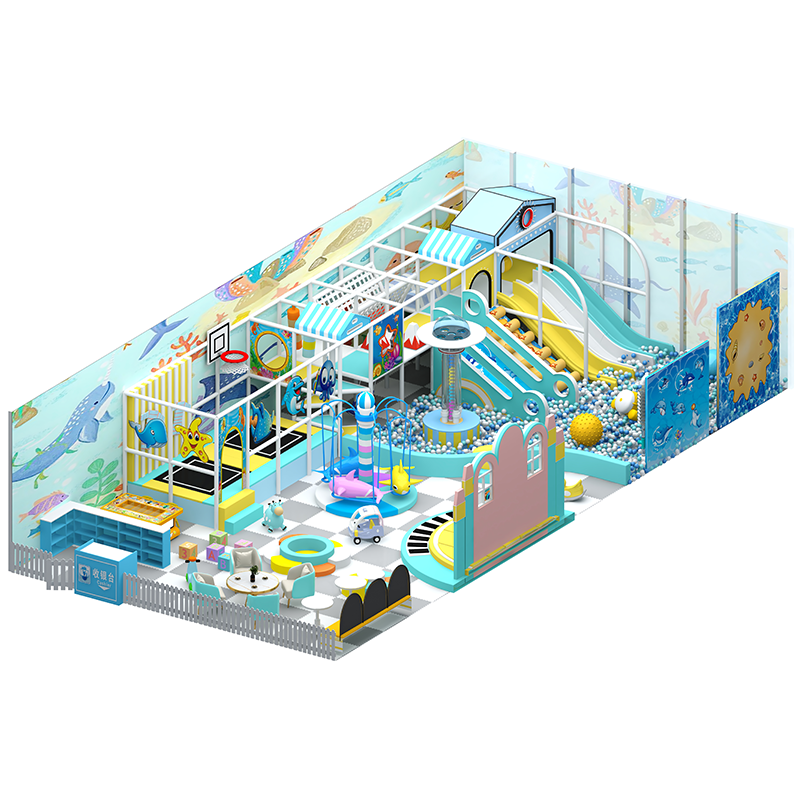
Safety and performance represent the two pillars of effective indoor trampoline design in modern recreational facilities. Whether you operate a commercial trampoline park, a school gymnasium, or a residential playroom, understanding how indoor trampoline engineering addresses both user protection and activity quality is essential for making informed decisions about equipment investment. The design of an indoor trampoline system must balance structural integrity, impact absorption, space constraints, and user experience within the unique demands of an enclosed environment. This article explores the critical design elements that make an indoor trampoline installation safe, durable, and genuinely enjoyable for users of all ages.
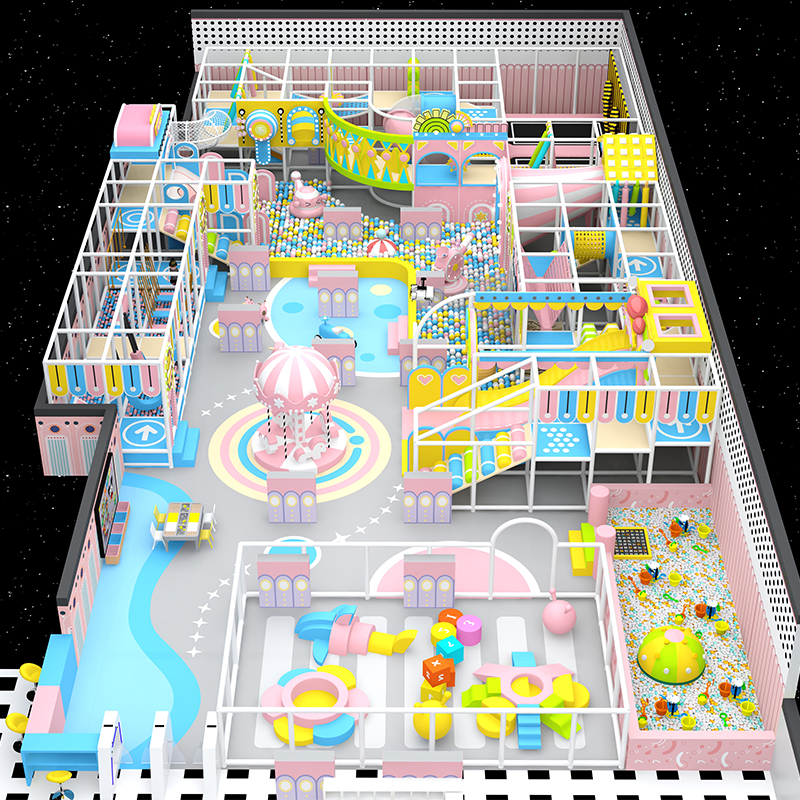
An indoor trampoline operates differently from outdoor models because it must function within confined spaces, handle variable ceiling heights, manage air circulation, and accommodate foot traffic from multiple directions. The engineering behind a quality indoor trampoline system accounts for these constraints while delivering the bounce, responsiveness, and safety margins that users expect. Facility managers and parents alike need to recognize that not all trampoline designs translate equally well to indoor settings, and choosing the right indoor trampoline solution requires understanding the specific design principles that govern enclosed recreational environments.
Structural Engineering and Material Selection for Indoor Trampoline Safety
Frame Design and Load Distribution in Indoor Trampoline Systems
The frame represents the foundation of any safe indoor trampoline design. Unlike outdoor models that may rely on heavier gauge steel and broader bases to handle wind loads, an indoor trampoline frame prioritizes compact footprint and enclosed-space ergonomics. The structural design of an indoor trampoline must distribute user weight evenly across all support points, preventing stress concentration that could lead to frame fatigue or sudden failure. Modern indoor trampoline engineering uses finite element analysis to model stress patterns under dynamic jumping conditions, ensuring that the frame absorbs and redirects impact forces safely. Galvanized or powder-coated steel frames resist corrosion from perspiration and humidity typical in enclosed recreational spaces where an indoor trampoline operates continuously.
Spring Systems and Bounce Mechanics in Indoor Trampoline Design
The spring system defines the responsive feel and energy return that users experience when using an indoor trampoline. An indoor trampoline requires springs engineered to provide consistent bounce across its entire surface while accommodating varying user weights and jumping heights. Springs in an indoor trampoline system must be selected and tensioned to prevent bottoming out, which occurs when users jump so hard that the mat contacts the frame. This dangerous condition can cause injury and accelerate frame wear. High-quality indoor trampoline designs use springs with matched tension specifications, regular spacing that distributes load evenly, and protective covers that prevent foot entrapment—a critical safety feature in any indoor trampoline installation. The engineering behind an indoor trampoline spring system ensures that bounce performance remains consistent over thousands of user sessions and years of continuous use.
Impact Absorption and Enclosed Space Safety Considerations
Padding, Barriers, and Protective Zones in Indoor Trampoline Installations
Safety padding surrounding an indoor trampoline serves as the critical boundary between the jumping surface and the enclosed environment. An indoor trampoline requires foam padding on all exposed edges, support legs, and nearby walls to protect users who may lose balance or jump erratically. The design of an indoor trampoline padding system must meet or exceed industry safety standards, typically using closed-cell foam that resists moisture, does not compress permanently under repeated impact, and provides adequate shock absorption. An indoor trampoline installed in a playroom or facility also requires clearance zones—safe distances between the jumping surface and ceiling, walls, light fixtures, and other obstacles. This protective buffer is integral to indoor trampoline design because users naturally jump higher when exercising, and an enclosed ceiling can catch users unaware if the clearance zone design is inadequate.
Ventilation and Air Flow Management Around Indoor Trampoline Systems
Proper ventilation around an indoor trampoline affects both user safety and equipment longevity. An indoor trampoline installation generates significant air displacement as users jump, and without adequate ventilation, this activity can create uncomfortable humidity and reduced oxygen availability. An indoor trampoline facility must ensure that HVAC systems maintain consistent air circulation, preventing stale air pockets above or around the jumping surface. The design of an indoor trampoline space should incorporate air returns and circulation patterns that support user comfort during active use. Additionally, proper ventilation protects the indoor trampoline mat and frame materials from moisture accumulation, which can degrade foam components and accelerate rust formation on metal parts. An indoor trampoline system located in a gymnasium, playroom, or recreational center requires thoughtful air flow planning as part of its overall safety and durability strategy.
Performance Standards and Durability in Enclosed Recreational Environments
Testing and Certification Requirements for Indoor Trampoline Products
An indoor trampoline design must meet recognized safety and performance standards that govern recreational equipment. These standards address the structural integrity, spring tension consistency, padding thickness, and clearance requirements that define a safe indoor trampoline installation. An indoor trampoline manufacturer typically subjects its products to fatigue testing, impact testing, and load-bearing verification to demonstrate that the design can withstand the stresses of continuous commercial or residential use. When selecting an indoor trampoline, facilities should verify that products carry certifications from relevant safety organizations or have undergone third-party testing. An indoor trampoline that meets established performance standards provides documented assurance that the design has been validated for safety under real-world conditions. This certification process is especially important for commercial indoor trampoline installations where liability and user expectations are high.
Material Durability and Maintenance Design in Indoor Trampoline Systems
The durability of an indoor trampoline design depends directly on material selection and engineering for maintenance accessibility. An indoor trampoline frame made from quality galvanized steel resists corrosion far better than uncoated alternatives, extending the useful life of the equipment. The mat material in an indoor trampoline system must resist UV degradation (if the space has windows), tear damage from repeated use, and absorption of perspiration or cleaning solutions. Springs in an indoor trampoline need periodic inspection and tension verification to maintain consistent bounce performance. An indoor trampoline designed for easy maintenance includes accessible spring connections, replaceable mat sections, and standardized padding that can be renewed without complete system replacement. The engineering behind a durable indoor trampoline reduces long-term ownership costs and ensures that performance remains reliable across many years of active use in an enclosed recreational setting.
FAQ
What clearance distance should be maintained above an indoor trampoline?
Most safety standards recommend a minimum clearance of 9 to 12 feet above the surface of an indoor trampoline, though this distance depends on the age and jumping ability of expected users. An indoor trampoline in a facility serving children might require less clearance than one used by athletic adults, but never less than 8 feet. Before installing an indoor trampoline, facility managers should calculate the maximum jump height plus a safety buffer—typically 2 to 3 feet—and verify that ceiling height accommodates this requirement. Inadequate clearance is one of the most common design failures in enclosed indoor trampoline installations, leading to preventable injuries.
How often should springs be inspected in an indoor trampoline system?
Springs in an indoor trampoline should be visually inspected at least monthly in commercial facilities or every three months in residential settings. An indoor trampoline with springs showing rust, permanent deformation, or inconsistent tension should be serviced immediately. Professional tension verification using specialized tools ensures that all springs on an indoor trampoline maintain equal tension, which is essential for safe and predictable bounce performance. Regular maintenance of an indoor trampoline spring system prevents sudden failures and extends equipment lifespan significantly.
Can an indoor trampoline be installed in a basement or room with low ceilings?
An indoor trampoline can be installed in a basement only if adequate clearance is available above the jumping surface. If ceiling height is less than 8 feet, an indoor trampoline is unsafe because users cannot jump at natural heights without striking their heads. In low-ceiling spaces, smaller or mini-style indoor trampoline models might work, but they still require verification that clearance exceeds safety minimums. Before investing in an indoor trampoline for a basement or playroom, measure the available ceiling height and confirm that it meets or exceeds recommended clearance standards to prevent injuries.