
 EN



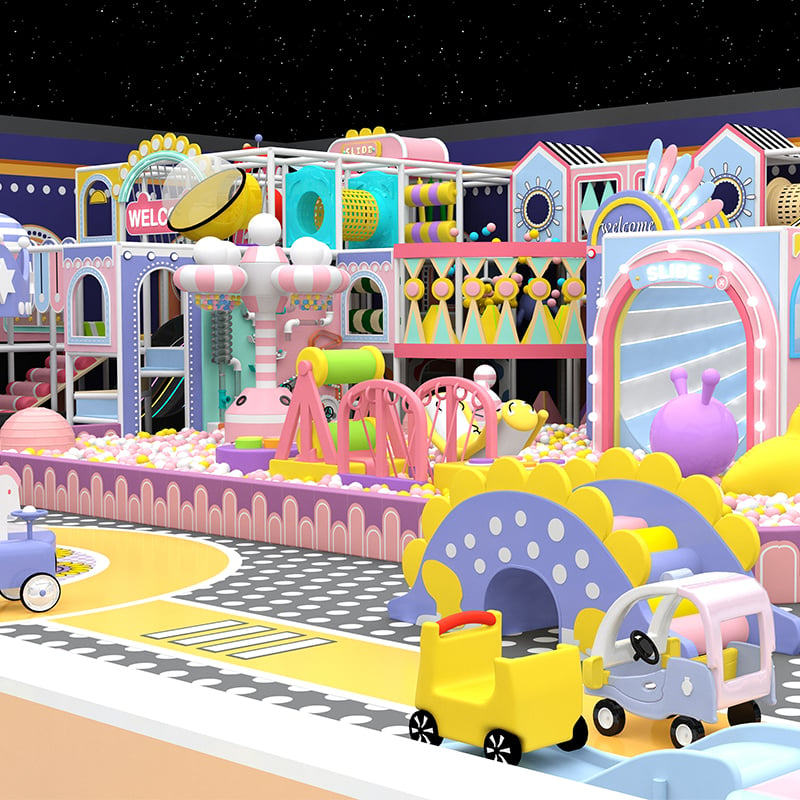
Softplay installations have become a cornerstone of indoor entertainment venues, from trampoline parks to children's play centers. These dynamic environments attract families and create memorable experiences, but their longevity depends entirely on consistent maintenance practices. Without proper care, softplay equipment deteriorates quickly, posing safety risks and reducing the enjoyment that venues promise their guests. Understanding how to maintain softplay installations effectively ensures that your venue remains safe, engaging, and profitable for years to come.
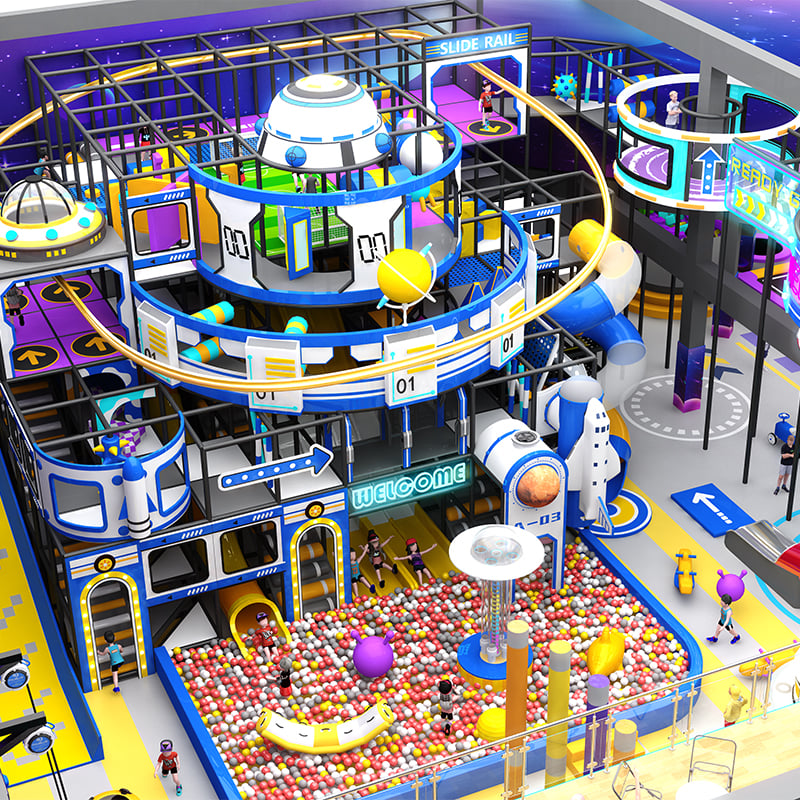
The investment in softplay equipment represents significant capital expenditure for venue operators. Protecting that investment through strategic maintenance not only extends asset lifespan but also safeguards visitor safety and maintains your reputation in the competitive indoor entertainment market. This guide walks you through essential maintenance practices that keep softplay installations performing optimally while minimizing downtime and unexpected repair costs.
Daily and Weekly Softplay Inspection Routines
Visual Inspection Protocols for Softplay Safety
Daily inspections form the foundation of any effective softplay maintenance program. Staff members should conduct thorough visual walkthroughs before opening each day, checking for obvious signs of wear, damage, or debris that could compromise visitor safety. Focus on high-contact areas where softplay foam padding shows compression, discoloration, or surface deterioration. Look for tears in vinyl coverings, exposed foam layers, or loose seams that could trap fingers or clothing during use.
Weekly inspections should be more systematic and documented. Assign responsibility to a trained staff member who understands softplay construction and safety standards. During weekly reviews, examine structural elements supporting the softplay installation, check for accumulation of dust or debris within foam padding, and test the firmness of softplay surfaces. Document all findings in a maintenance log, noting areas requiring attention and tracking trends in equipment wear across your venue's softplay sections.
Cleaning Protocols for Softplay Longevity
Proper cleaning extends softplay lifespan significantly while maintaining hygiene standards that visitors expect. Daily surface cleaning should use mild soap solutions and soft brushes, never abrasive cleaners that damage vinyl coatings. Pay special attention to softplay areas that contact skin directly, as these accumulate sweat and body oils that degrade materials over time. Weekly deep cleaning focuses on areas where dirt accumulates, using specialized equipment designed for softplay without causing surface damage.
Monthly sanitization treatments maintain hygiene within the softplay installation while protecting material integrity. Choose disinfectants compatible with vinyl and foam components, avoiding products containing solvents that dissolve adhesives or cause material embrittlement. Ensure adequate drying time after cleaning, as moisture trapped within foam layers promotes mold growth and material degradation. Establish clear cleaning schedules that balance thoroughness with operational continuity, preventing softplay equipment from remaining wet during venue hours.
Structural Assessment and Repair Management for Softplay
Identifying Common Softplay Damage Patterns
Understanding typical failure modes helps venue operators catch problems before they compromise safety. Vinyl coverings on softplay equipment develop tears from sharp objects, high-impact collisions, or wear from repeated contact. Foam padding beneath softplay surfaces compresses unevenly when equipment receives concentrated use in specific areas, creating unsafe conditions where impact absorption diminishes. Metal frames supporting softplay installations corrode in humid indoor environments, weakening structural integrity and creating rust stains that mar appearance.
Seam failures represent another critical concern in softplay installations. Adhesives bonding vinyl coverings to foam substrates degrade over time, particularly in high-temperature venues or areas exposed to direct sunlight through windows. Listen during inspections for squeaking sounds when softplay surfaces are compressed, indicating movement between layers. Address small tears immediately rather than allowing them to expand, as minor damage in softplay coverings spreads rapidly under continued use and pressure.
Professional Repair Scheduling for Softplay Systems
Establish relationships with qualified repair specialists experienced in softplay restoration. Not all equipment damage can be remedied through in-house maintenance; significant structural issues, frame corrosion, or extensive foam degradation require professional intervention. Schedule quarterly inspections with external specialists who bring specialized knowledge and diagnostic tools for comprehensive softplay assessment. These experts identify problems invisible to routine staff inspections, preventing catastrophic failures that could cause visitor injuries or unexpected venue closures.
Create a repair priority system that balances safety and budget constraints. Damage affecting visitor safety receives immediate attention regardless of cost; cosmetic issues can be scheduled during lower-traffic periods. Document all repairs performed on softplay equipment, creating a maintenance history that informs replacement decisions and helps identify systemic weaknesses in your installation's design or construction. This data guides future purchasing decisions, helping you select softplay products with proven durability in your specific operational environment.
Long-Term Durability Strategies and Preventive Softplay Maintenance
Environmental Control and Softplay Performance
Indoor venue conditions dramatically impact softplay longevity. Temperature and humidity fluctuations cause vinyl to expand and contract, stressing seams and creating gaps where moisture penetrates foam layers. Maintain consistent environmental conditions within your venue; HVAC systems should stabilize temperature and humidity year-round, preventing the thermal stress that accelerates material aging. High humidity promotes mold growth within softplay foam, while excessively dry conditions make vinyl brittle and prone to cracking.
Direct sunlight streaming through windows accelerates vinyl degradation and foam breakdown. Position softplay installations away from windows when possible, or install UV-filtering window treatments that block damaging radiation. Many venue operators designate specific softplay zones for different age groups and activity levels, distributing wear more evenly across equipment rather than concentrating stress in popular high-traffic areas. This strategic placement approach extends the time between major repairs and maintains consistent performance across your entire softplay system.
Usage Guidelines and Staff Training for Softplay Care
Guest education significantly impacts softplay longevity. Establish clear rules prohibiting sharp objects, heavy outdoor shoes, and excessive jumping on vulnerable areas of your softplay installation. Post signage highlighting areas designed for specific age groups and activity types; directing smaller children away from heavy-impact zones protects delicate softplay surfaces from concentrated stress. Train staff to monitor usage patterns, intervening when guests engage in activities that risk damaging softplay equipment.
Comprehensive staff training ensures consistent application of maintenance protocols. New employees should understand why softplay care matters, not just follow procedures mechanically. Demonstrate inspection techniques, explain what warning signs indicate developing problems, and empower staff to report concerns immediately rather than assuming damage will be addressed eventually. Staff who understand the connection between daily maintenance and venue safety become advocates for proper equipment care, naturally reinforcing practices that extend softplay lifespan and maintain visitor confidence.
FAQ
How often should softplay installations receive professional maintenance inspections?
Schedule professional softplay assessments quarterly at minimum, with additional inspections following periods of heavy use or after any visible damage occurs. High-traffic venues may benefit from monthly professional reviews that catch developing issues before they become safety concerns. Professional maintenance specialists bring diagnostic expertise beyond what routine staff inspections provide, identifying hidden structural problems, material degradation, and wear patterns that indicate when major repairs or replacement becomes necessary.
What temperature and humidity ranges are ideal for softplay equipment preservation?
Maintain indoor venue conditions between 65-75°F and 40-60% relative humidity for optimal softplay longevity. Temperature fluctuations exceeding 15°F daily stress vinyl coverings and adhesive bonds, while humidity above 70% promotes mold and mildew within foam padding. These conditions also ensure visitor comfort, creating an environment where both equipment and guests thrive. Invest in reliable HVAC monitoring systems that alert staff when environmental parameters drift outside acceptable ranges.
Can venue staff perform minor softplay repairs, or should all damage go to professionals?
Staff can address minor cosmetic issues like small tears using vinyl repair kits, but major structural damage, foam compression, or frame corrosion requires professional attention. Train staff to recognize the distinction between minor maintenance tasks and repairs requiring specialized expertise. Attempting complex repairs without proper knowledge risks worsening damage and creating safety hazards. Establish clear guidelines specifying which softplay issues staff can handle independently versus situations requiring professional intervention.